Cairo (Diplomat.so) - Egypt's Minister of Water Resources and Irrigation, Hani Sweilem, called on Sunday for compensation from Ethiopia over the impacts of the Grand Ethiopian Renaissance Dam (GERD), saying the project has significantly reduced water flows to Egypt and Sudan.
Speaking at a Senate plenary session, Sweilem described the dam as "unprecedented” in its size and unilateral construction along the Nile, emphasizing that it has already decreased Egypt’s annual water share by 38 billion cubic meters from its historical allocation of 55.5 billion cubic meters.
Egypt’s water demand now stands at 88.5 billion cubic meters annually, Sweilem said, noting that the country relies on reusing 23.2 billion cubic meters of water and an additional 4.8 billion cubic meters from treatment plants to meet basic needs. He added that the per capita share of water has fallen to around 500 cubic meters per year, half the global average.
"The reduction in water threatens agriculture, industry, and the water security of more than 100 million Egyptians,” he said, stressing the urgent need for international mediation.
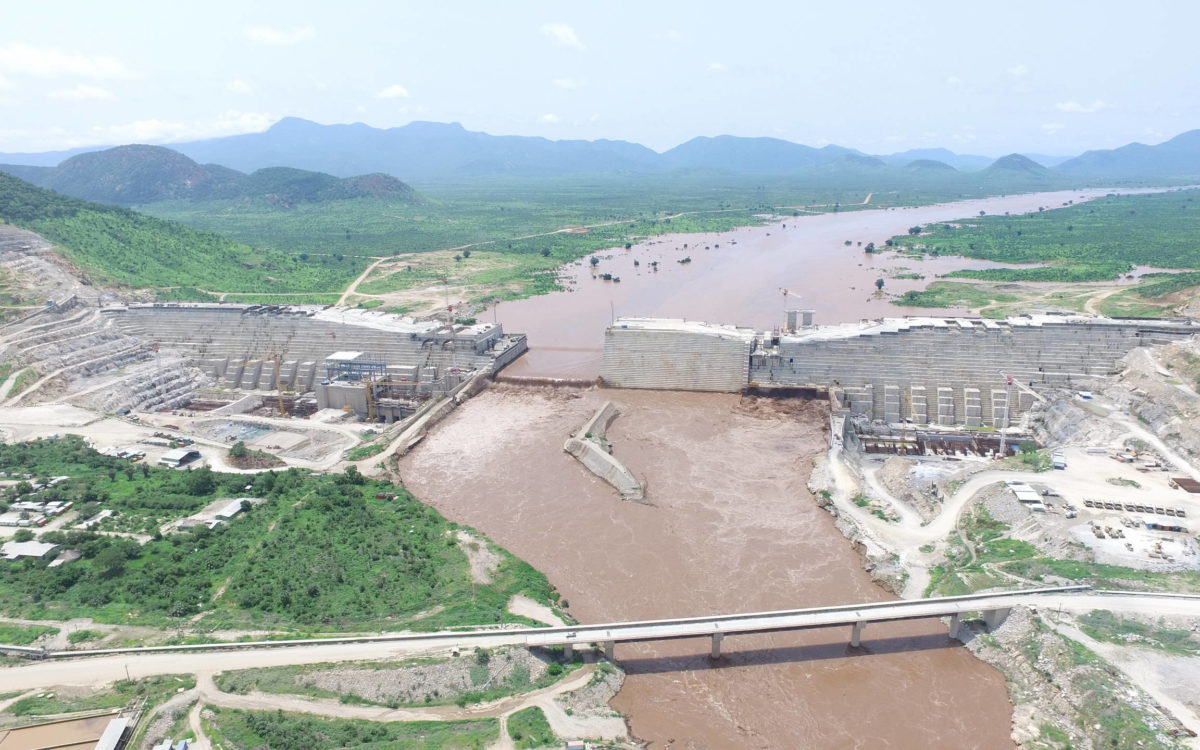
The GERD, completed and officially inaugurated in September 2025 on the Blue Nile, is Africa’s largest hydropower project, with a reservoir capacity of 74 billion cubic meters and 13 turbines. Ethiopia views it as critical for electricity generation and national development.
However, the dam has sparked a longstanding dispute with downstream nations. Egypt depends on the Nile for roughly 97 percent of its water needs, while Sudan relies on it for 55 percent. Cairo has repeatedly expressed concerns that the GERD could disrupt agriculture, which consumes 80 percent of Egypt’s water, and exacerbate water scarcity in the country.
Sudan has taken a more cautious approach, acknowledging the dam’s potential for irrigation and electricity generation but warning of uncontrolled flooding risks. In October 2025, the release of water from the GERD temporarily flooded areas along Sudan’s Roseires River, prompting Ethiopia to limit the flow to 300 million cubic meters per day.
Experts say the conflict underscores the broader challenge of managing shared water resources in a region experiencing rapid population growth, climate change, and increasing energy demands. Regional and international mediators have repeatedly urged Ethiopia, Egypt, and Sudan to reach a binding agreement on dam operations, but progress remains limited.
Analysts note that without a negotiated solution, tensions over the Nile’s waters could intensify, threatening economic stability and regional cooperation.