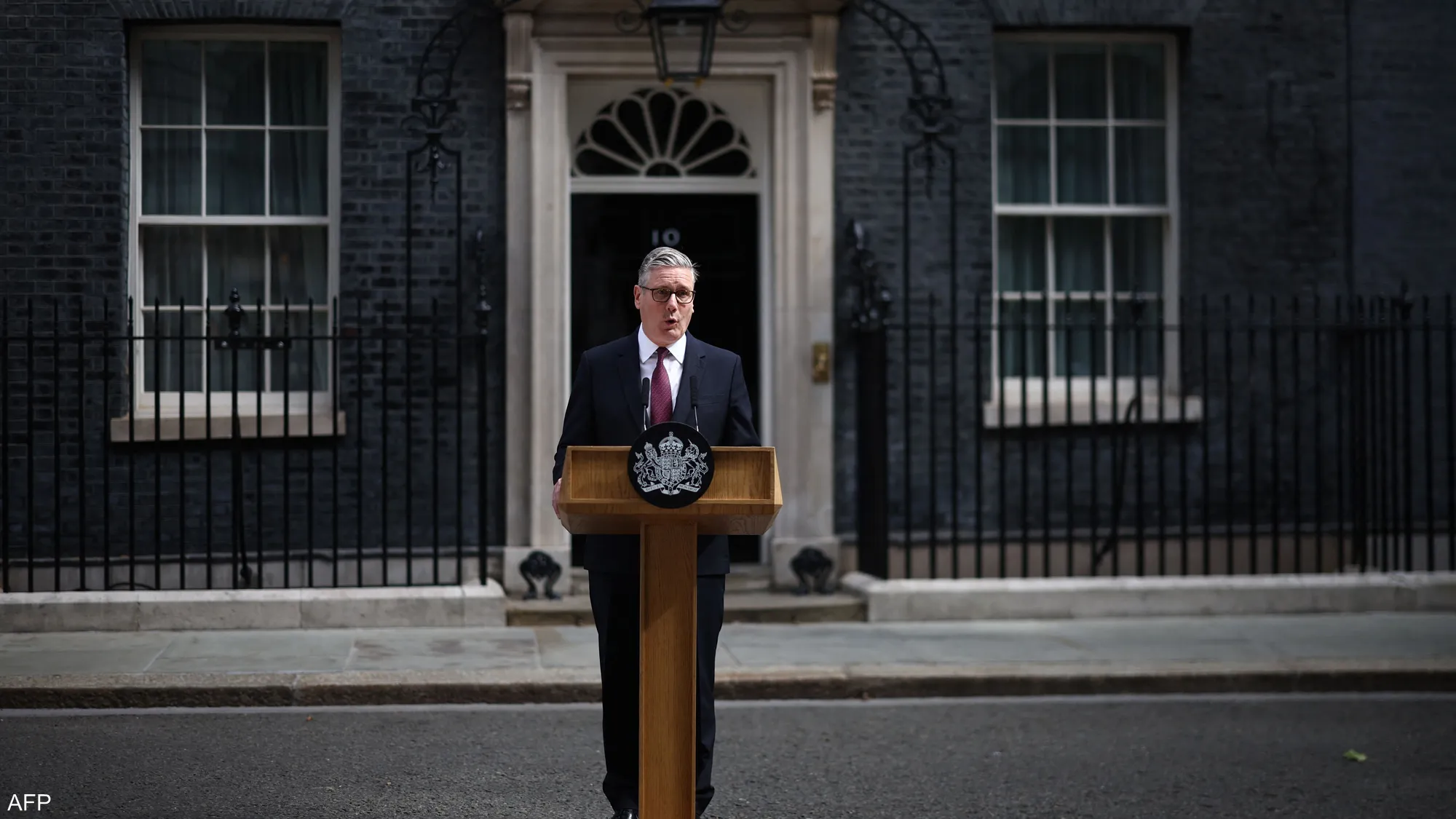
London (Diplomat.so) – Keir Starmer confirmed on Monday, June 22, that he will resign as Prime Minister of the United Kingdom and leader of the governing Labour Party after informing King Charles III of his decision. He said he will remain in office until Labour elects a new leader through a leadership contest expected to conclude before Parliament returns in September, describing the process as an orderly and responsible transfer of power.
Speaking outside 10 Downing Street, Starmer said he had concluded that a leadership transition was in the best interests of both the government and the Labour Party. He announced that nominations for the party leadership will open on July 9, beginning a contest to choose a successor who will become both Labour leader and prime minister. Starmer said he would continue carrying out his official duties until the process is completed to ensure stability in government.
In remarks monitored by Diplomat News Network, Starmer said he respected the views expressed by colleagues within the parliamentary party and believed it was the appropriate time to allow a new leader to take the government forward. He said the transition should be conducted in a manner that preserves confidence in public institutions and maintains continuity across government departments.
Outside Downing Street, journalists, television crews and government officials gathered throughout the morning as anticipation grew ahead of the announcement. Security arrangements remained routine, with civil servants continuing their daily work inside Whitehall and visitors observing developments from designated public areas. The announcement drew immediate attention from political leaders, diplomats and financial observers monitoring Britain's next phase of government.
Former Greater Manchester Mayor Andy Burnham has emerged as one of the leading contenders to succeed Starmer after strengthening his political standing with his recent return to the House of Commons. Several senior Labour figures are also expected to consider entering the contest, although the party has yet to confirm the final list of candidates once nominations officially open.
Starmer's resignation comes less than two years after Labour secured a parliamentary majority in the 2024 general election. His government later faced declining approval ratings and increasing pressure from within the party over domestic policy, economic challenges and electoral performance. Those developments intensified internal debate over Labour's leadership and future political strategy during recent months.
The leadership transition represents another significant chapter in Britain's recent political history, with the country preparing for its seventh prime minister in roughly a decade. The outcome of the Labour leadership contest will influence the government's policy agenda, relations with international partners and preparations for the next general election.
Political analysts say the orderly transfer outlined by Starmer is intended to maintain institutional stability, although the incoming leader will face the immediate task of rebuilding public confidence, unifying the governing party and setting a clear direction for the next stage of Labour's administration.