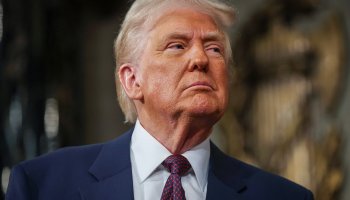
Washington, D.C. (Diplomat.so) - US President Donald Trump announced on Thursday in Washington, D.C., that Lebanon and Israel have agreed to a 10-day ceasefire set to begin Friday following US-mediated diplomatic discussions involving senior American officials, marking a renewed effort to de-escalate cross-border tensions and establish a framework for broader negotiations between the two sides.
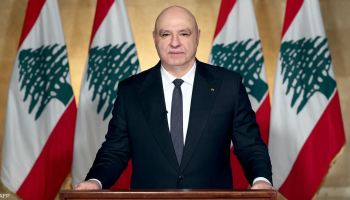
The announcement came after a series of high-level communications involving Lebanese President Joseph Aoun and Israeli Prime Minister Benjamin Netanyahu, facilitated through senior US diplomatic and national security channels.
Direct Engagement with Regional Leaders
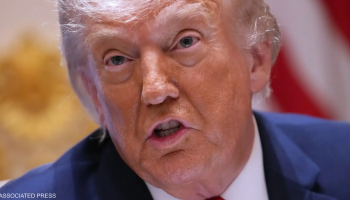
US President Donald Trump said he held separate conversations with both Lebanese and Israeli leadership, describing the talks as constructive and aimed at immediate de-escalation. "I have just held excellent conversations with the respected President of Lebanon Joseph Aoun and Prime Minister Benjamin Netanyahu,” Trump stated, emphasizing that both leaders expressed willingness to reduce tensions after weeks of heightened regional instability.
According to Trump, the discussions were coordinated through US Secretary of State Marco Rubio and senior national security officials, who have been engaged in parallel diplomatic outreach efforts. The White House framed the talks as part of a broader attempt to create structured communication channels between Beirut and Tel Aviv under US mediation.
Ceasefire Framework and US Mediation
Trump further announced the terms of the agreement, stating: "These leaders agreed that in order to achieve peace between their countries, they will officially begin a 10-day ceasefire starting at 5 p.m. Eastern Time,” presenting the arrangement as an initial confidence-building measure designed to test compliance and reduce immediate risks of escalation.
The US administration described the ceasefire as a temporary stabilization mechanism rather than a comprehensive peace settlement, with officials indicating that monitoring and verification arrangements would be coordinated through diplomatic and security channels. The initiative reflects continued US involvement in managing regional flashpoints through short-term de-escalation frameworks.
Historical Context of Border Tensions
The Lebanon–Israel frontier has experienced recurring cycles of tension, marked by intermittent cross-border incidents and fragile periods of calm. Diplomatic efforts over the years have largely focused on preventing escalation and maintaining limited stability along the border, often through indirect communication mechanisms and third-party mediation.
The role of Hizbullah remains a central factor in the security landscape of southern Lebanon. The group’s military capabilities and political influence have historically intersected with broader regional dynamics involving Israeli defense operations, creating a complex environment for ceasefire enforcement and long-term stability efforts.
Analytical Perspective on Stability Challenges
Analysts emphasize that temporary ceasefire arrangements in such contexts depend heavily on clear operational rules, rapid communication channels, and sustained political commitment from all involved actors. The inclusion of multiple stakeholders, including Hizbullah’s position within Lebanon’s internal political structure, adds layers of complexity to maintaining even short-term pauses in hostilities.
Observers also note that past de-escalation efforts have often been vulnerable to localized incidents that escalate quickly, particularly in areas where military and non-state actors operate in close proximity. The effectiveness of the current framework will likely depend on how quickly violations, if any, are addressed through established diplomatic mechanisms.
Outlook for Implementation
Attention is now focused on the implementation phase of the 10-day ceasefire and whether it can evolve into a more durable arrangement. Diplomatic engagement is expected to continue between Washington, Beirut, and Tel Aviv as officials assess compliance and explore the possibility of extending the pause in hostilities into a broader negotiation framework.