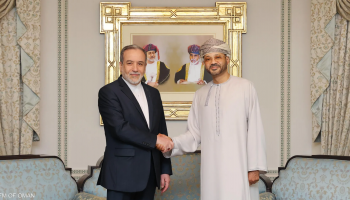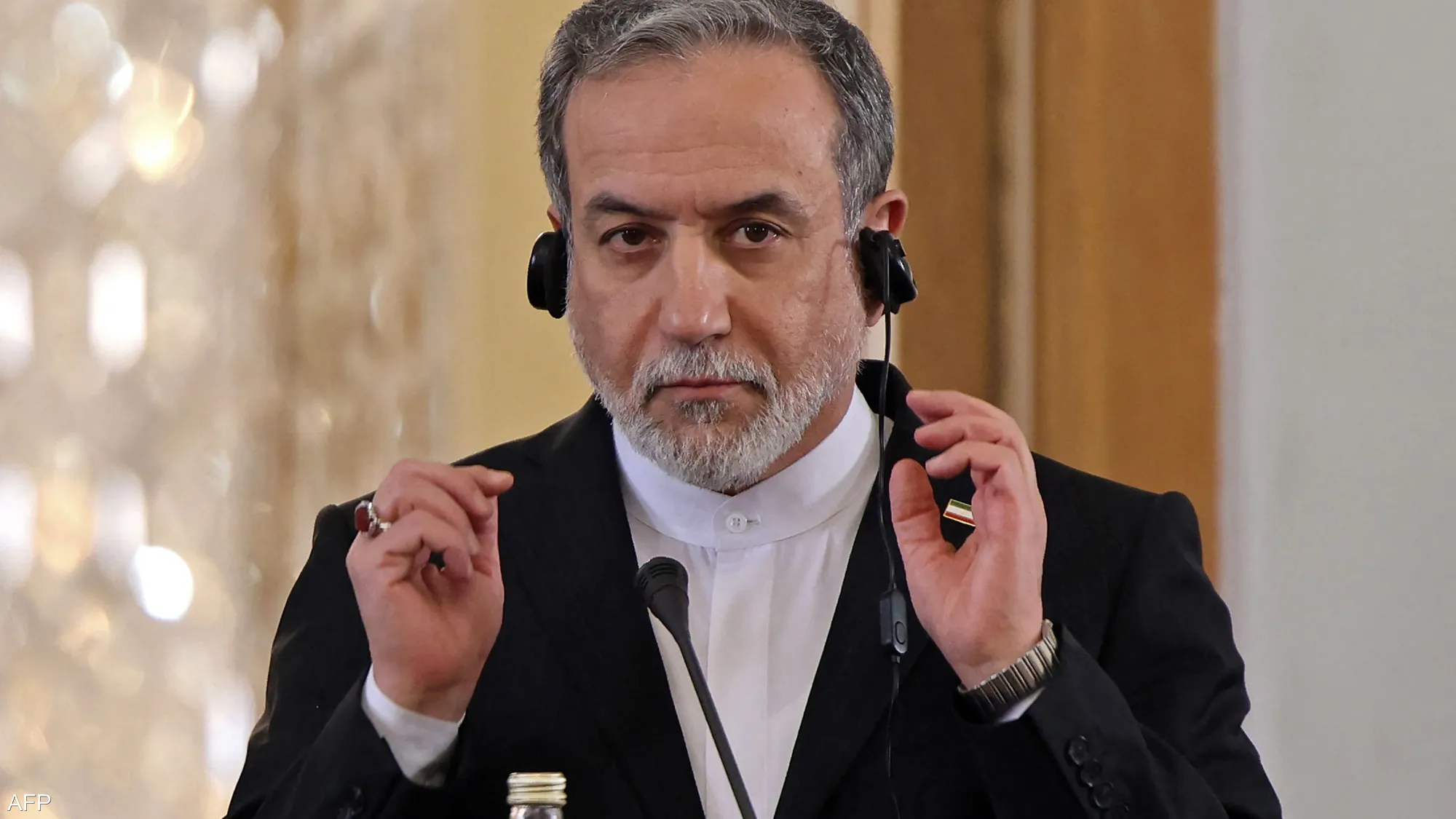
Beijing (Diplomat.so) - Iranian Foreign Minister Abbas Araghchi said on Wednesday, May 6, in Beijing after meeting Chinese Foreign Minister Wang Yi that Iran will only accept a fair and comprehensive agreement in indirect negotiations with the United States aimed at ending the war in the Middle East, while US President Donald Trump said progress has been made in talks between the two sides.
Iran insists on balanced terms
Araghchi, speaking following discussions with Chinese Foreign Minister Wang Yi, said Iran would defend its rights and interests throughout the negotiation process, emphasizing that any final understanding must be balanced and comprehensive. "We will exert all efforts to protect our legitimate rights and interests in the negotiations… we will only accept a fair and comprehensive agreement,” he said, according to Iranian state media.
He did not directly address Trump’s earlier proposal involving a temporary pause in US maritime operations escorting commercial vessels through the Strait of Hormuz, an initiative Washington has described as a confidence-building measure intended to advance diplomatic engagement.
Strait of Hormuz tensions
The Strait of Hormuz, a critical maritime passage for global energy supplies, has remained under heightened tension since the escalation of regional hostilities that began on February 28. Roughly 20 percent of global oil passes through it, and disruptions have increased energy market volatility and insurance costs for commercial shipping.
Iranian officials have previously warned of measures including mines, drones, missiles, and fast boat deployments in response to regional military pressure.
Trump pauses maritime initiative to test negotiations
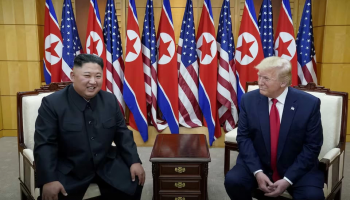
US President Donald Trump said he decided to temporarily suspend what he described as a maritime "freedom project” aimed at escorting commercial vessels through the Strait of Hormuz. He framed the decision as a short-term pause intended to evaluate whether diplomatic progress could be achieved with Tehran.
Rather than presenting the move as a mutual understanding, Trump said he personally decided on the suspension after reviewing operational and diplomatic assessments. The decision reflects a cautious adjustment in US maritime posture while negotiations continue indirectly.
The announcement followed intensified diplomatic exchanges and internal US discussions over whether to expand naval operations or prioritize diplomatic engagement. The pause is being viewed in Washington as a limited test phase rather than a long-term policy shift.
US warnings
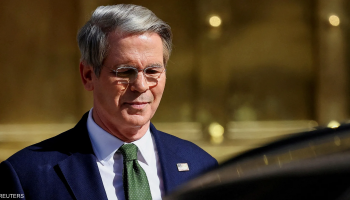
US Secretary of State Marco Rubio and other senior officials have reiterated Washington’s position that Iran must not be allowed to control maritime traffic in the Strait of Hormuz. US officials warned that any Iranian attack on commercial vessels would be met with force, including the destruction of fast boats or missile systems used in such operations.
A US official told American media that military options remain available and escalation could resume if Iranian actions intensify. Another source familiar with internal discussions said Trump had considered deploying warships to forcibly reopen the strait but ultimately opted for a more cautious initial approach.
Diplomatic uncertainty and internal US divisions
Diplomatic sources describe indirect communications between Washington and Tehran as slow-moving, with messages reportedly exchanged through intermediaries. Internal US assessments remain divided, with envoy Steve Witkoff reportedly more optimistic about the prospects of an agreement, while other senior officials remain skeptical about Iran’s position.
Officials also noted that communication channels involve indirect delivery of messages through intermediaries, reflecting limited direct engagement between senior leadership on both sides.
Regional implications
Analysts say China’s hosting of Iranian officials reflects Beijing’s expanding diplomatic role in Middle East stability efforts, particularly amid growing risks to global energy routes. The Beijing meeting is seen as part of broader efforts to prevent further disruption to maritime trade and energy flows.
Regional observers warn that continued uncertainty in the Strait of Hormuz could quickly escalate into renewed confrontation if negotiations collapse. Maritime security experts point to rising insurance premiums, altered shipping routes, and fluctuating market confidence as immediate economic consequences of instability.
Iranian officials maintain that progress remains possible if negotiations are based on mutual respect and balance, while US policymakers insist sustained pressure will continue until tangible concessions are achieved. The trajectory of talks is expected to influence regional security dynamics and global energy stability in the coming period.