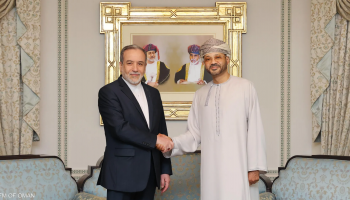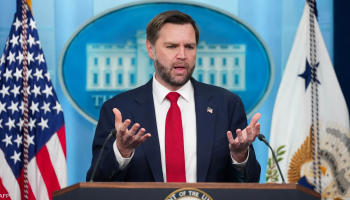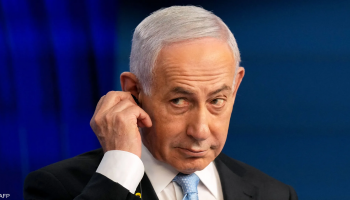
Washington, D.C. (Diplomat.so) – The United States government and the Islamic Republic of Iran are preparing a draft memorandum of understanding to end hostilities and initiate a 30-day negotiation period, diplomatic sources said on Wednesday, May 6.
Diplomatic officials familiar with the discussions said the proposed framework, mediated by Pakistan, outlines preliminary terms aimed at halting escalation between Washington and Tehran and creating space for structured talks. The document, still under review, is expected to mark a formal pause in tensions if both sides agree to its provisions.
A senior regional diplomat, speaking to Diplomat News Network on condition of attribution due to the sensitivity of the negotiations, said, "The memorandum is not a final agreement but a mechanism to stop further escalation and open a controlled diplomatic channel for 30 days.” The official added that Pakistan’s involvement reflects its longstanding diplomatic ties with both countries and its strategic interest in regional stability.
Escalating Rhetoric
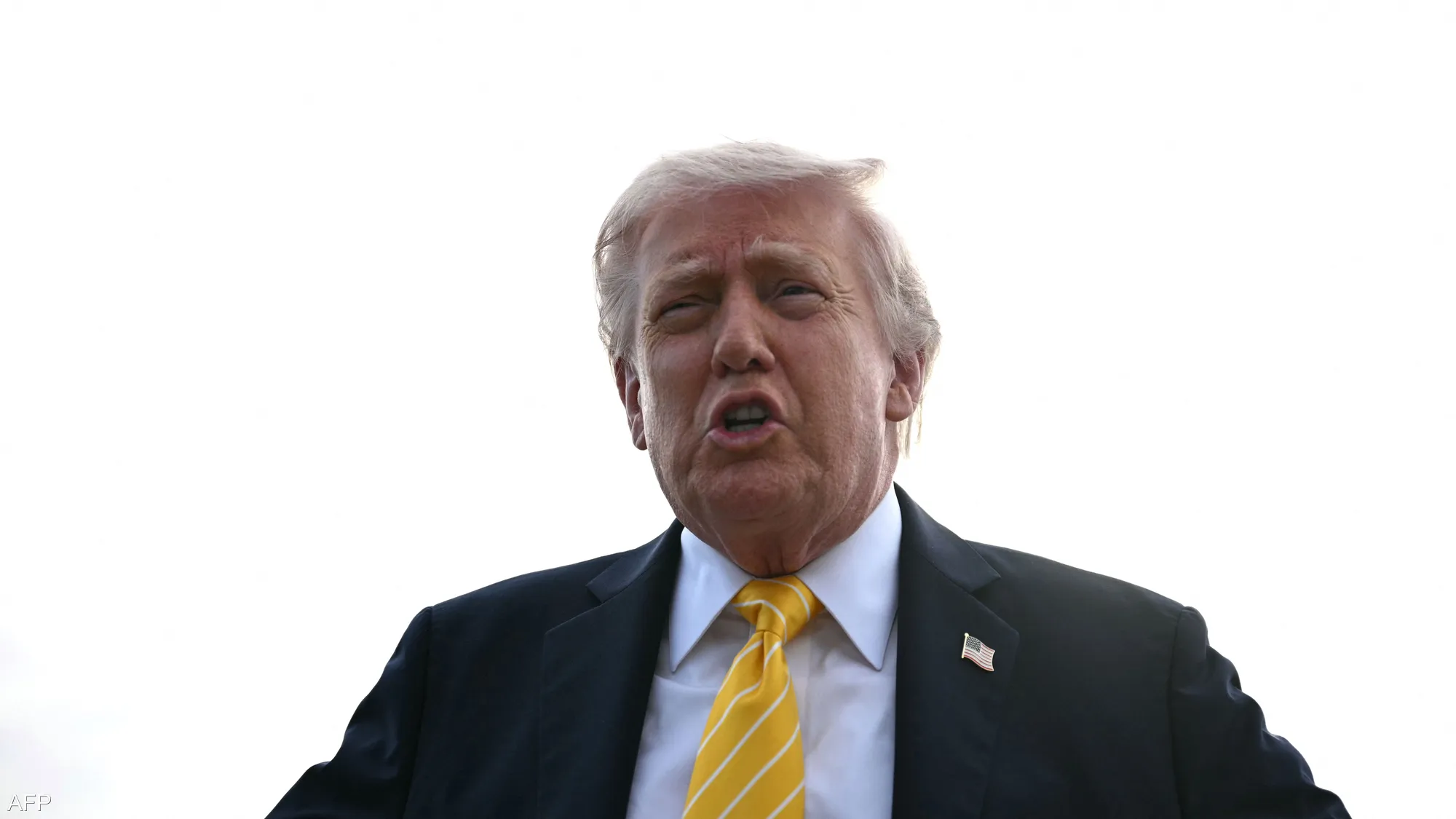
The diplomatic developments come against a backdrop of intensified rhetoric from both sides. On Monday, May 4, United States President Donald Trump issued a direct warning regarding maritime security in the Strait of Hormuz, a critical global oil transit route.
"Iran will be wiped off the face of the Earth if it attacks American ships guiding vessels through the Strait of Hormuz,” Trump said in an interview with Fox News. He also confirmed continued military buildup in the region, stating that U.S. forces possess "more weapons and ammunition than ever before” and maintain readiness across global bases.
In Tehran, Iranian Judiciary Chief Mohsen Ejei responded with equally firm language, declaring that "the era of imposed systems in the Persian Gulf waters has ended.” He warned that any disruption to security in the Strait of Hormuz would face "a solid barrier and a harsh field response from the soldiers of the Islamic Republic of Iran.”
On-the-Ground Conditions
Shipping activity in the Strait of Hormuz remained steady on Wednesday, according to maritime observers, as some commercial tankers continued to pass through the waterway under heightened Iranian surveillance. Industry officials said U.S. naval patrols had increased in the surrounding area, while coordination with Iranian authorities had been strengthened to ensure the safe passage of vessels.
Weather conditions in the region remained clear, with calm seas aiding navigation, though the presence of military vessels has altered normal maritime patterns. Observers described increased radio communication between ships and escort units.
Background and Context
The Strait of Hormuz handles approximately 20 percent of global oil shipments, making it a strategic chokepoint in international energy markets. Tensions between the United States and Iran have periodically escalated over maritime security, sanctions, and regional influence.
Pakistan’s role as a mediator reflects its diplomatic balancing act in the region, maintaining relations with both Washington and Tehran. Previous attempts at de-escalation have faced setbacks due to mutual distrust and competing strategic priorities.
The proposed 30-day negotiation window is seen as a limited but potentially critical opportunity to stabilize relations and address immediate flashpoints, including naval encounters and economic sanctions.
Strategic Implications
The draft memorandum represents a tactical pause rather than a comprehensive resolution. Analysts say its success will depend on both sides adhering to de-escalatory measures during the negotiation period.
Regional security analyst Aisha Al-Khatib said the framework could "reduce the immediate risk of confrontation but does not resolve underlying disputes.” She noted that the Strait of Hormuz remains a focal point for both military signaling and economic leverage.
The timing of the initiative suggests growing international concern over the potential for disruption to global energy supplies. Any escalation in the Strait could have immediate economic consequences, particularly for oil-importing countries.
At the same time, the sharp rhetoric from both Washington and Tehran indicates that domestic political considerations continue to shape public messaging, even as diplomatic channels remain active behind the scenes.
Outlook
Diplomatic sources caution that the memorandum is still subject to revisions and political approval in both capitals. Implementation would require coordinated actions, including restraint in military deployments and clear communication mechanisms.
The coming days are expected to be critical in determining whether the proposed framework transitions from draft to formal agreement. Observers say the outcome could influence not only bilateral relations but also broader stability in the Gulf region.