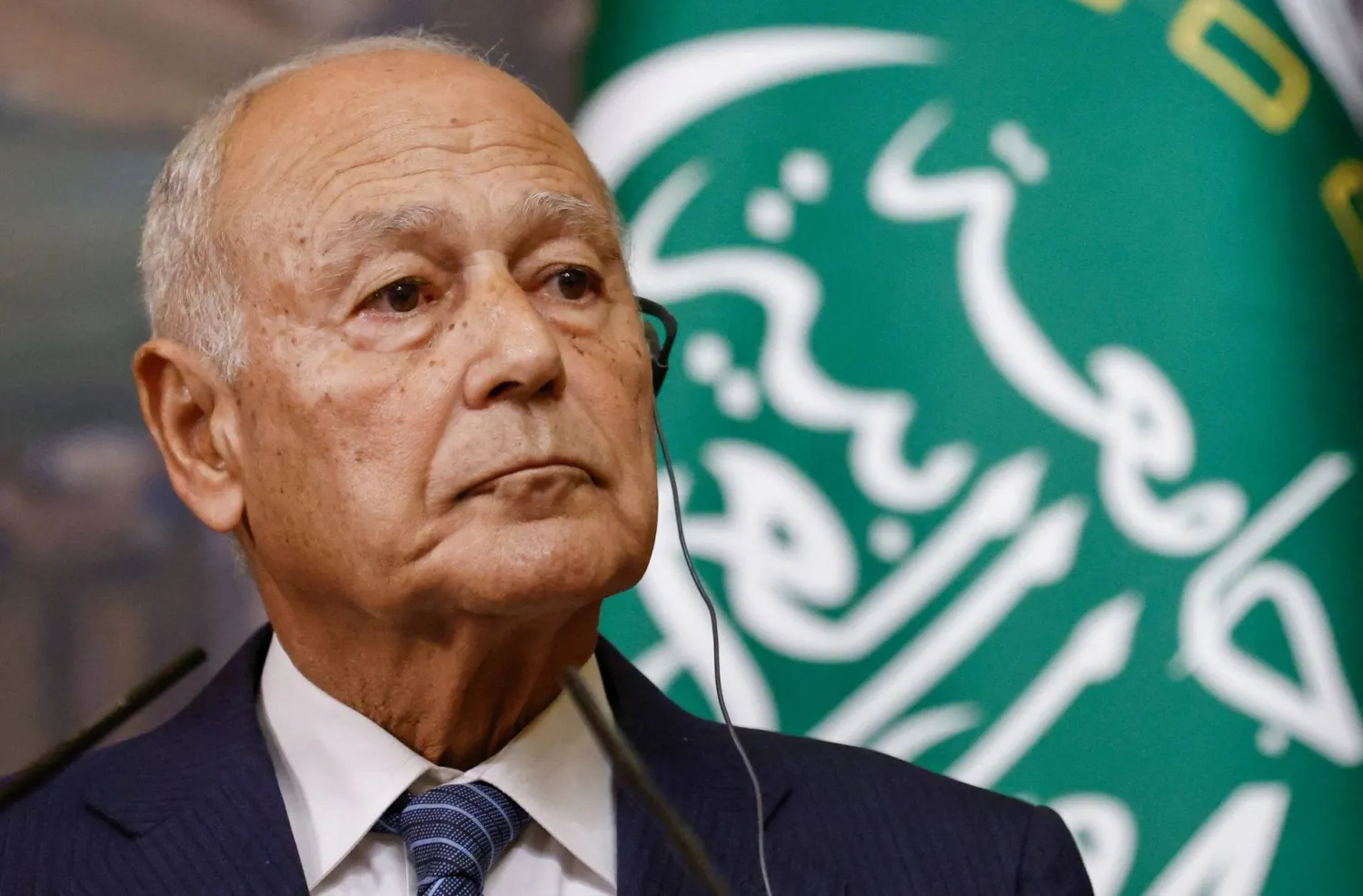
Cairo (Diplomat.so) – League of Arab States Secretary-General Ahmed Aboul Gheit condemned Israel's appointment of an ambassador to the northwestern region of Somalia, the so-called "Somaliland" made on April 15, describing it as a violation of sovereignty and international law.
Arab League Condemnation
The Arab League said the move constitutes a serious escalation and a breach of the sovereignty and territorial integrity of Somalia. In a formal statement, Aboul Gheit described the appointment as "null and void,” stressing that it carries no legal effect and contravenes the principles of the United Nations Charter.
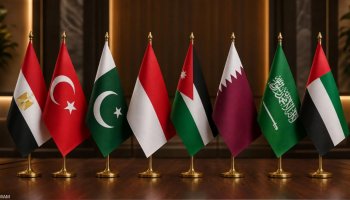
Arab League spokesperson Jamal Roshdy said the position reflects a unified Arab stance adopted during an extraordinary Council session on December 28, 2025, which rejected any recognition or political engagement with the northwestern region outside Somalia’s federal framework.
Roshdy warned that such developments risk undermining stability in the Red Sea, the Gulf of Aden, and the broader Horn of Africa, regions already affected by maritime security and geopolitical tensions. He added that the appointment could affect international shipping routes and regional security dynamics.
Diplomatic Escalation
The Arab League Secretary-General has formally communicated the position to the UN Secretary-General, the President of the UN Security Council, and the Chairperson of the African Union Commission, urging coordinated international action.
According to the statement, the aim is to prevent what it described as attempts to alter established international consensus on Somalia’s territorial integrity and to ensure adherence to international law and recognized state sovereignty principles.
Status of "Somaliland" in Northwestern Somalia
The entity calling itself "Somaliland” located in the northwestern region of Somalia, declared unilateral separation from Somalia in 1991 following the collapse of the central government of Somalia. It has since established its own governing institutions and administrative structures.
Despite its internal political arrangements, it remains unrecognized by any United Nations member state. The Federal Government of Somalia continues to assert sovereignty over the entire territory of the country, including the northwestern region where the separatist administration operates.
Most international institutions maintain recognition of Somalia’s territorial integrity within its federal framework. Within the northwestern region, six major clans are widely reported to reside there, with five of them generally supporting national unity and opposing separatism, while one clan forms the primary support base of the separatist administration. Members of these communities, including those from the separatist clan, are also represented across federal institutions, including both houses of Parliament, the Judiciary, and other branches of the Federal Government of Somalia.
These institutional and social linkages reflect continued integration within Somalia’s national framework. Efforts toward unity, reconciliation, and state-building remain central to Somalia’s political process, with successive administrations emphasizing inclusive governance, power-sharing, and the strengthening of federal institutions as key pillars for long-term stability, national cohesion, and sovereignty.
Regional Significance
The Horn of Africa remains a strategically sensitive region marked by overlapping political, security, and economic challenges, including counterterrorism operations, maritime security concerns, and regional geopolitical competition.
Diplomatic analysts note that engagement with entities claiming independence within internationally recognized states often triggers broader disputes over recognition and sovereignty principles.
A regional affairs analyst based in East Africa, speaking generally, said such developments "test the balance between diplomatic engagement and respect for established international borders,” particularly in fragile or post-conflict states.
The Arab League statement highlights broader concerns over geopolitical stability in the Horn of Africa, a region positioned along key global maritime corridors. The Red Sea and Gulf of Aden remain strategically significant for international trade and energy transport routes.
The Arab League reiterated its position that preserving Somalia’s territorial integrity is essential to maintaining regional stability and upholding international legal norms governing state sovereignty.