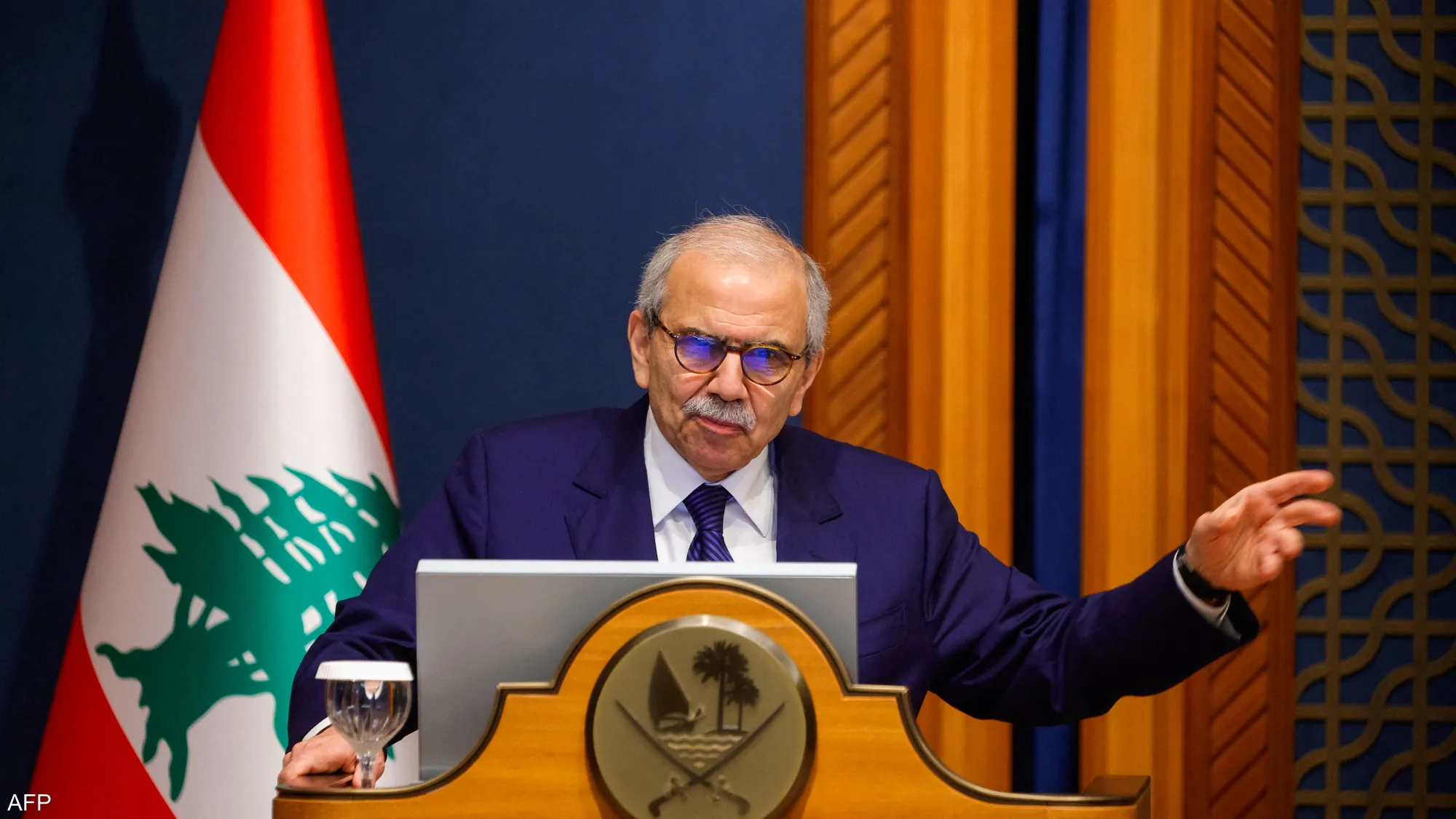
Beirut (Diplomat.so) – Lebanon's Prime Minister Nawaf Salam welcomed a United States-mediated 10-day ceasefire agreement between Lebanon and Israel on Thursday, describing the deal as a key national demand pursued since the outbreak of cross-border hostilities.
Lebanon’s Prime Minister Nawaf Salam said in a formal statement that the government "welcomes the ceasefire announcement declared by President Trump, which is a key Lebanese demand we have pursued since the first day of the war,” emphasizing that the objective had been central to Lebanon’s diplomatic engagement in Washington earlier this week.
He added in a second excerpt from his statement that the agreement "was our primary goal during the Washington meetings on Tuesday, and I extend congratulations to the Lebanese people on this achievement,” framing the development as a significant diplomatic milestone for Beirut.
The announcement follows remarks by US President Donald Trump, who confirmed that Lebanon and Israel had agreed to a temporary truce lasting 10 days, reached after direct communications with Lebanese President Joseph Aoun and Israeli Prime Minister Benjamin Netanyahu.
The ceasefire is intended to reduce escalating cross-border exchanges and open space for broader negotiations.
In Beirut, the atmosphere remained tense but cautiously optimistic, with visible security deployments continuing in several districts. Traffic in central areas was steady but subdued, while some residents expressed relief at the prospect of a pause in fighting. "We just want stability so we can return to normal life without fear,” said one shopkeeper in southern Beirut, speaking on condition of anonymity due to security concerns.
Background to the agreement includes months of intensified border clashes that have disrupted civilian movement, damaged infrastructure, and increased displacement in southern Lebanon.
Regional actors, including the United States and European partners, have been engaged in parallel diplomatic efforts aimed at containing the escalation and preventing a broader regional confrontation.
Lebanon’s government has consistently called for international intervention to halt hostilities, while emphasizing the need for a sustained political framework to prevent renewed violence.
Diplomatic observers note that the short-term truce could serve as a test of confidence between the parties, though its durability remains uncertain given the absence of a comprehensive settlement mechanism.
According to officials briefed on the discussions, the agreement reflects coordinated pressure from multiple international stakeholders seeking to stabilize the situation and encourage further negotiations.
Diplomatic sources cited by Diplomat News Network indicated that regional mediation efforts involving Arab and European partners played a supportive role in facilitating communication channels during the talks.
The ceasefire marks a temporary pause in a volatile confrontation that has repeatedly escalated along the Lebanon-Israel border, with both sides now facing pressure to translate the truce into structured negotiations aimed at preventing renewed hostilities in the coming weeks.