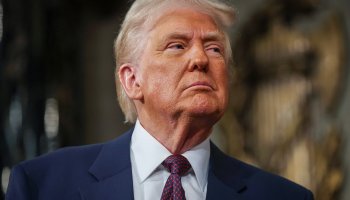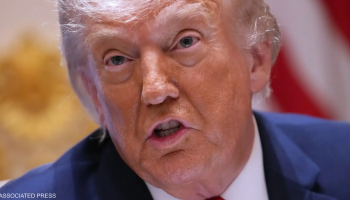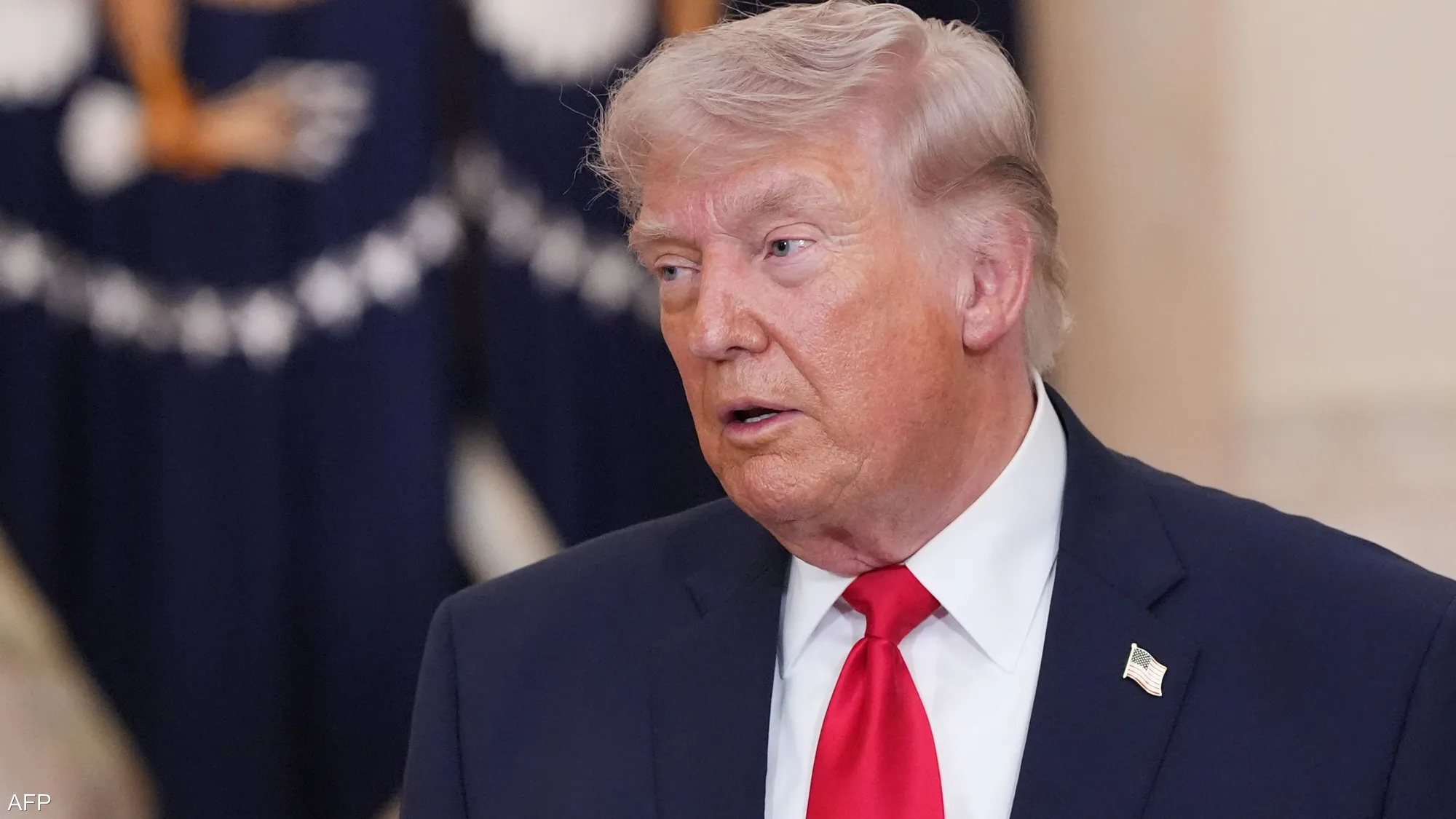
Beirut (Diplomat.so) – President of the United States Donald Trump and President of Lebanon Joseph Aoun held a phone call on Thursday, April 16, focusing on ceasefire efforts in Lebanon and broader regional stability, according to an official statement issued by the Lebanese presidency.
The Lebanese presidency said the call centered on ongoing diplomatic efforts aimed at halting hostilities along Lebanon’s southern border and advancing conditions for a durable ceasefire. The conversation came amid heightened international engagement involving Washington and Beirut as cross-border tensions continue between Israel and Hezbollah.
In the 30-word opening development of the discussion, President Trump and President Aoun addressed immediate security concerns, the need to reduce escalation risks, and coordination on diplomatic pathways to stabilize the region.
According to the Lebanese presidency statement, President Joseph Aoun conveyed appreciation for U.S. diplomatic involvement. The statement noted that he "expressed gratitude to President Trump for his continued efforts aimed at achieving a ceasefire in Lebanon and supporting long-term regional stability,” and stressed the importance of accelerating international pressure to halt fighting.
President Donald Trump, according to the same statement, reaffirmed U.S. support for Lebanon’s stability and leadership under Aoun. He reportedly "confirmed Washington’s commitment to supporting efforts to reach a ceasefire as quickly as possible,” reflecting ongoing American diplomatic engagement with regional stakeholders.
The call followed earlier discussions between U.S. Secretary of State Marco Rubio and President Aoun, during which Washington reiterated its intention to continue mediating between involved parties. Officials familiar with the exchanges said preparations had been underway for a direct presidential-level conversation as part of broader de-escalation efforts.
A senior Lebanese official, speaking to Diplomat News Network on condition of attribution, said the latest diplomatic contacts reflect "an intensified phase of international engagement aimed at preventing further deterioration in southern Lebanon and avoiding a wider regional spillover.” The official emphasized that coordination with Washington has increased in recent weeks through multiple diplomatic channels.
Separately, Lebanese authorities dismissed reports suggesting imminent direct talks between President Aoun and Israeli Prime Minister Benjamin Netanyahu. A government representative, speaking to international media, stated that Lebanon had informed its partners that it is "not prepared to engage in direct negotiations at this stage” while hostilities remain active along the border.
The official further explained that Beirut’s position prioritizes achieving a ceasefire before any broader political or security negotiations can be considered, given the ongoing exchange of fire, civilian displacement, and security instability in southern districts.
Observers note that the renewed U.S. diplomatic activity comes amid growing international concern over the risk of escalation. Increased military activity, intermittent strikes, and cross-border incidents have placed additional pressure on diplomatic channels seeking to contain the situation.
Analysts say the Trump–Aoun call reflects an effort to maintain high-level political engagement at a moment when regional tensions remain fluid and unpredictable. The development also underscores Washington’s continued role in attempting to shape de-escalation frameworks while balancing complex regional dynamics involving multiple state and non-state actors.
As diplomatic exchanges continue, attention remains focused on whether intensified mediation efforts can translate into a sustained ceasefire framework, reducing the risk of further escalation along one of the region’s most volatile front lines.