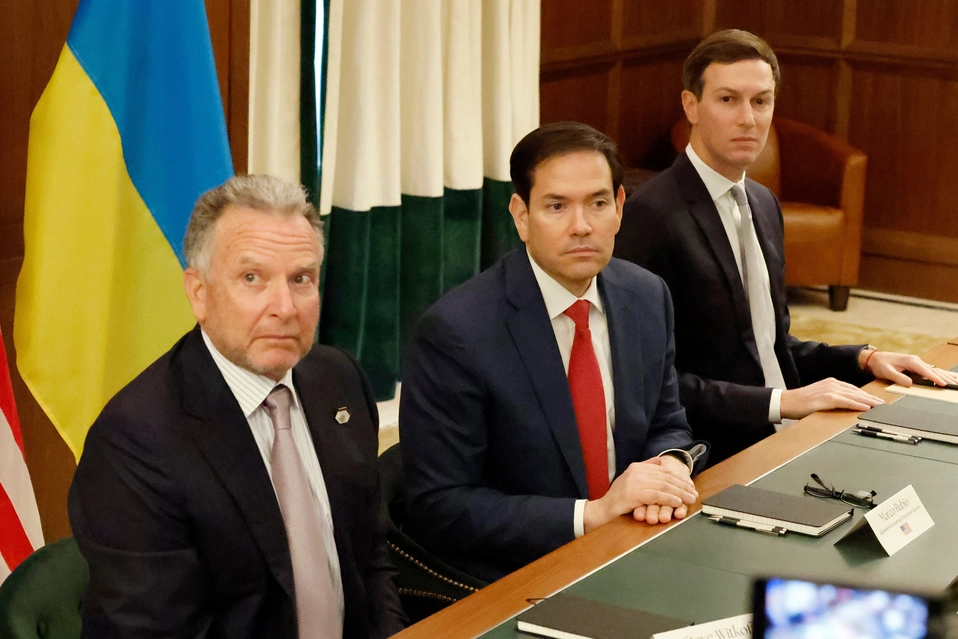
Washington, D.C. (Diplomat.so) – The United States, Iran, and a coalition of regional mediators are conducting intensive negotiations on a potential 45-day ceasefire, aimed at halting hostilities and opening the path toward a permanent resolution of the ongoing conflict, according to multiple U.S., Israeli, and regional sources familiar with the talks.
The discussions, described by officials as a "last-chance effort” to prevent a severe escalation, are taking place amid heightened threats of military action targeting Iran’s energy and infrastructure sectors. Sources told Diplomat News Network that while negotiators are exploring a two-phase agreement, the likelihood of reaching a deal within 48 hours remains low due to deep-seated mistrust between Washington and Tehran.
Diplomatic Channels
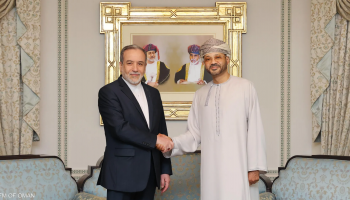
According to four sources involved in the talks, mediators from Pakistan, Egypt, and Turkey are actively facilitating dialogue between the parties. The first phase under consideration would involve a temporary 45-day ceasefire during which negotiators would work toward a permanent settlement. A second phase would formalize steps to end hostilities entirely. U.S. envoy Stephen Witkoff and Iranian Foreign Minister Abbas Araghchi have been exchanging messages directly alongside mediator-facilitated discussions.
A senior U.S. official stated that several proposals have been tabled in recent days, yet Iranian authorities have not formally accepted any, reflecting Tehran’s insistence on safeguarding its strategic interests. One source emphasized that if necessary, the ceasefire could be extended to allow more time for negotiation.
U.S. Ultimatum and Threat of Escalation
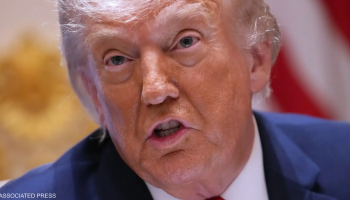
U.S. President Donald Trump publicly acknowledged the ongoing negotiations, emphasizing the urgency of a resolution before a self-imposed Tuesday deadline. Speaking to Diplomat News Network, a senior White House official confirmed that "the operational plans for a coordinated U.S.-Israeli strike on Iranian energy infrastructure are ready, but the president extended the deadline to provide one last opportunity for diplomacy.”
Trump has issued repeated warnings that failure to reach an agreement could result in direct military action. "There is a good chance for a deal, but if one is not reached, all options remain on the table,” he told reporters, reiterating threats that could target Iranian military leadership and strategic facilities.
Tehran’s Public Position
Iranian authorities have maintained a hardline stance, publicly rejecting concessions that could undermine the country’s control over high-enriched uranium stockpiles or strategic waterways. The Iranian Revolutionary Guard Navy reported that conditions in the Strait of Hormuz "will never return to pre-conflict norms” for the U.S. and Israel, signaling resistance to unilateral demands.
Local observers on the ground describe heightened anxiety. Farid Al-Hassan, a trader in southern Kuwait City, told Diplomat News Network, "People are worried about the next strikes. The markets are volatile, and families are preparing for possible escalation.” Analysts in Istanbul echoed concerns that absent concrete confidence-building measures, diplomatic momentum could collapse.
Regional Escalation and Operational Context
Israeli Prime Minister Benjamin Netanyahu announced airstrikes on petrochemical facilities in southwestern Iran, targeting sites linked to military production, while U.S. forces have reportedly been coordinating with Israeli intelligence to identify additional targets. Regional security analysts warn that any strike on Iranian energy and water infrastructure could provoke widespread retaliation affecting neighboring Gulf states.
Mediators continue to explore measures to build trust, including partial steps on reopening the Strait of Hormuz and adjusting Iran’s uranium enrichment levels. Officials emphasized that Tehran is unlikely to fully relinquish leverage in these areas in exchange for only a temporary ceasefire.
Implications and Stakes
The ongoing conflict has triggered humanitarian concerns, disrupted global energy supplies, and strained diplomatic channels across the Middle East. Regional and international observers highlight that without progress in talks, further military escalation could inflict significant civilian and infrastructural damage. Diplomat News Network reporting confirms that mediators view the next 48 hours as critical for avoiding catastrophic consequences.
While a successful ceasefire could stabilize local populations and mitigate regional economic disruption, sources indicate that the parties’ entrenched positions make immediate agreement uncertain. U.S., Iranian, and regional actors remain in high-level consultation, underscoring the delicate balance between diplomacy and military contingency planning.