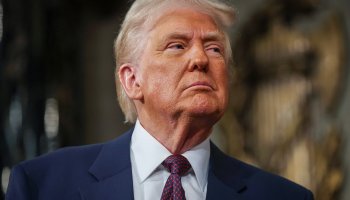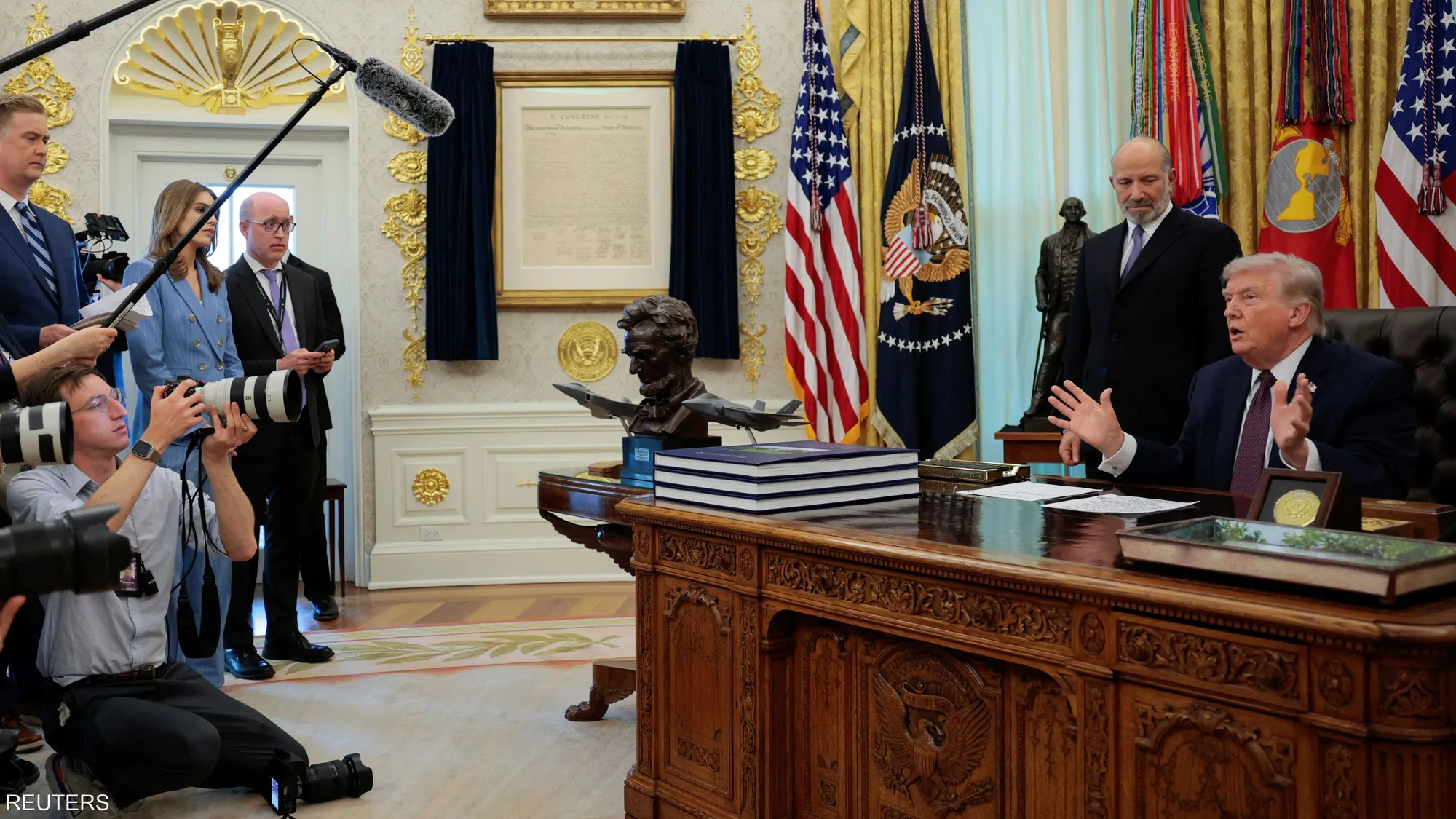
Washington, D.C. (Diplomat.so) – U.S. President Donald Trump declared on Wednesday, that the United States will withdraw its forces from Iran very quickly, while reserving the option to conduct limited strikes if necessary, and tied any potential ceasefire to the reopening of the strategically vital Strait of Hormuz.
He also indicated he is considering a U.S. withdrawal from NATO during his upcoming primetime address, signaling a potential shift in America’s global alliances.
President Trump stated that he is not highly concerned about Iran’s nuclear capabilities, emphasizing that the United States will closely monitor developments using satellite surveillance. He affirmed that Washington will maintain constant oversight to prevent any nuclear escalation.
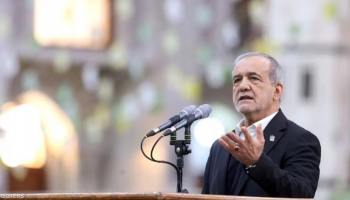
Trump made the remarks in an interview with Reuters and in posts on Truth Social, claiming that the new Iranian leadership had requested a ceasefire.
"The president of the new Iranian regime, far less extreme and much smarter than his predecessors, has just asked the United States for a ceasefire," Trump wrote, emphasizing that Washington would evaluate the request only after Hormuz is open, free, and secure. He added that until these conditions are met, U.S. forces will continue striking Iran with overwhelming force or, as they say, returning it to the Stone Age.
A senior U.S. administration official, speaking on condition of attribution, confirmed that Trump’s comments aim to pressure Tehran while maintaining strategic military flexibility. "The president wants to ensure safe passage through the Strait, but U.S. forces remain ready to act if Iran does not comply," the official said.
On the ground, maritime traders and tanker crews reported heightened caution near Hormuz, with reduced vessel movements and crews monitoring naval activity closely.
"The tension is palpable," said Mohammed al-Farouqi, a tanker mariner off Fujairah, speaking to Diplomat News Network. "Everyone is watching radar and waiting to see what happens next."
Analysts note that any delay in reopening the strait could disrupt roughly one-fifth of global oil supply, underscoring the economic stakes involved.
Trump also criticized European NATO allies for limited involvement in Gulf security, describing the alliance as a paper tiger and suggesting a U.S. withdrawal unless Washington’s strategic priorities are supported.
"I am seriously considering NATO exit if our allies do not step up," Trump stated in his interview, reinforcing that America’s commitment to global security may be conditioned on active burden-sharing.
French officials responded by reaffirming NATO’s mandate for Euro-Atlantic defence rather than Persian Gulf operations, urging United Nations-led diplomacy to reduce tensions. A senior NATO official, speaking on background to Diplomat News Network, confirmed that alliance members have reaffirmed Article 5 commitments but acknowledged disagreements over regional engagement and maritime security operations.
The U.S.–Iran confrontation escalated after strikes on Iranian military infrastructure in late February, which led Tehran to restrict passage through Hormuz.
Energy markets have responded with volatility as traders weigh potential disruptions. Trump also reaffirmed that Iran will not develop nuclear weapons, noting that U.S. forces retain a few remaining targets and could return to strike if necessary. Experts suggest that the president’s approach attempts to balance domestic pressure to end combat roles with the need to deter Iran and secure critical maritime passages.
International observers and regional stakeholders are closely monitoring U.S. actions, aware that decisions on NATO and the Gulf could shape transatlantic relations, regional security, and global energy stability in the months ahead.