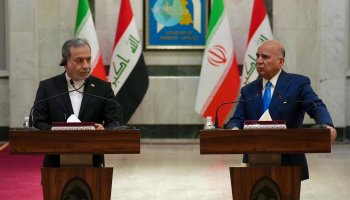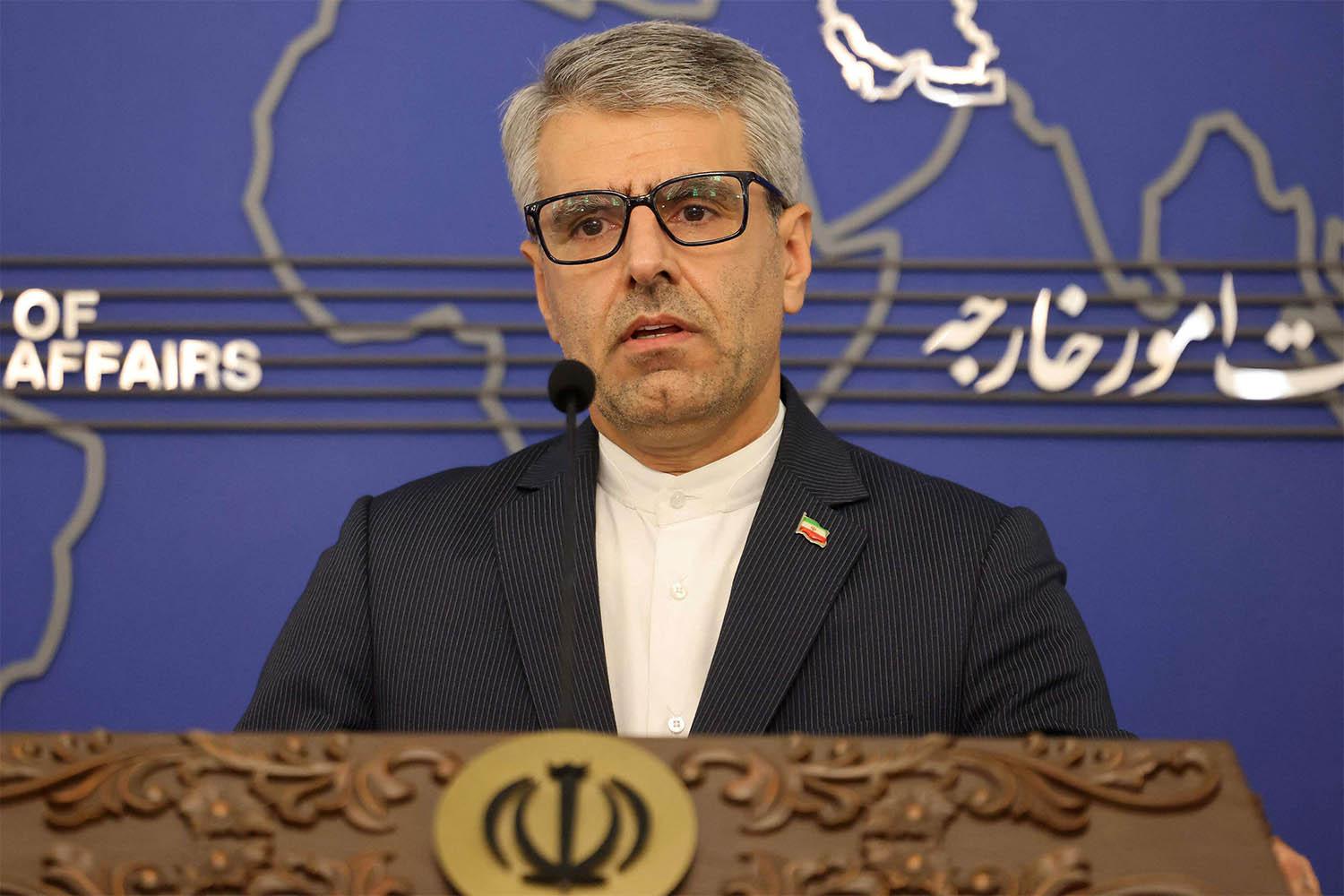
Tehran (Diplomat.so) – Iran's Ministry of Foreign Affairs spokesman Esmaeil Baghaei said Wednesday, April 1, that Tehran has communicated its position on the ongoing regional conflict to diplomatic intermediaries, while accusing the United States of not engaging seriously in efforts to resolve tensions.
Baghaei addressed reporters during a midday briefing at the Foreign Ministry compound, emphasizing that Iran had conveyed "its points” regarding what it describes as an "imposed war” to mediators operating in the region. He criticized the U.S. administration for failing to prioritize diplomatic engagement, asserting that "experience over the past year has shown that Washington does not approach diplomacy with genuine seriousness.”
Baghaei reaffirmed Iran’s long‑standing position on nuclear development, stating, "It is well understood that we do not possess nuclear weapons. Our nuclear program is peaceful and fully transparent.” He stressed that the country’s priority remains protecting its sovereignty and responding to what it considers external aggression, while maintaining channels of communication through intermediaries.
U.S. officials have repeatedly stated that diplomatic channels remain open, though Iranian authorities describe these efforts as insufficient. Regional analysts suggest Tehran’s public critique signals both internal and external messaging: domestically to reinforce national resolve, and regionally to project a posture of strategic self‑reliance.
Middle East security expert Shirin Namazi told Diplomat News Network that Iran frames diplomacy as contingent on American credibility, which it perceives as compromised. "This narrative strengthens Tehran’s negotiating leverage while signaling caution to regional actors,” Namazi said.
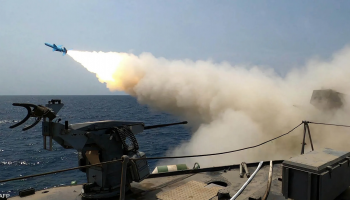
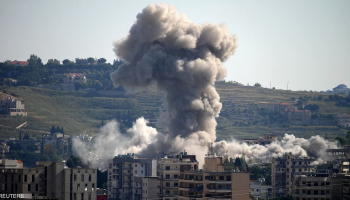
The conflict, now several weeks ongoing, has involved cross-border strikes and retaliatory measures between Iran and allied forces, affecting military and civilian areas alike. Local residents report disruptions in daily routines, including limited access to transportation corridors and heightened security checkpoints. Eyewitnesses described military aircraft movements and increased maritime patrols in the Persian Gulf, illustrating the conflict’s operational intensity.
Analysts warn that without a substantive shift in diplomatic approach, including clear and verifiable commitments from both Tehran and Washington, prospects for de-escalation remain limited. Iran’s emphasis on mediation through regional intermediaries could serve as a platform for future negotiations, but trust deficits and recent military escalations continue to complicate any resolution.