Washington, D.C. (Diplomat.so) – U.S. President Donald J. Trump has instructed senior advisers that he intends to bring the ongoing war with Iran to a rapid conclusion within the next few weeks, signaling both urgency and caution over potential escalation, according to officials familiar with internal discussions.
Some of Trump’s close aides are reportedly advocating for a more aggressive approach, including regime change in Iran, while the president remains wary of mounting U.S. casualties. "He is prepared to send forces into Iranian territory if necessary, but the human cost makes him hesitant,” a U.S. official told Diplomat News Network, citing recent briefings. Since the start of the current military operations, American forces have suffered approximately 300 injuries and 13 fatalities.
President Trump claimed Iranian leaders are negotiating secretly with the United States despite publicly denying engagement. "The Iranian negotiators fear reprisals from their own people, but they are eager to make a deal,” Trump said, adding that U.S. forces have "destroyed key targets in Iran” and are positioned to secure strategic advantages, including access to energy resources, under any potential agreement.
White House Press Secretary Karoline Leavitt emphasized the administration’s focus on minimizing further bloodshed. "There is no need for more death and destruction,” Leavitt told reporters in Washington, underscoring efforts to de-escalate while maintaining pressure on Tehran.
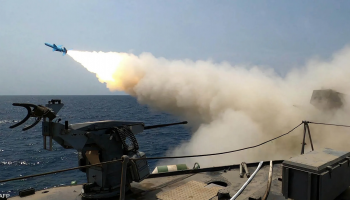
Observers on the ground note that U.S. military operations remain active across multiple fronts, with visible troop deployments and aerial patrols in the Persian Gulf region. Civilians in nearby areas report heightened security measures, checkpoints, and occasional disruptions to local commerce.
Experts point to the broader geopolitical stakes of ending the conflict. Maria Alexander, a Middle East analyst, told Diplomat News Network that "a rapid resolution is feasible logistically but fraught politically. Both Washington and Tehran must reconcile military actions with diplomatic imperatives, and external actors are closely monitoring the outcome.”
Historically, U.S.-Iran tensions have involved proxy conflicts, sanctions, and intermittent direct engagement, creating a complex backdrop for any negotiation. Analysts argue that a swift resolution could stabilize regional energy markets, reduce risks to U.S. forces, and enhance Washington’s diplomatic leverage. Conversely, failure to secure an agreement may prolong hostilities and heighten regional instability.
As indirect chat messages continue to be exchanged through intermediaries, the coming weeks will be crucial in determining whether the United States can balance its strategic objectives with minimizing human and political costs, shaping the future of U.S.–Iran relations and broader Middle East security.