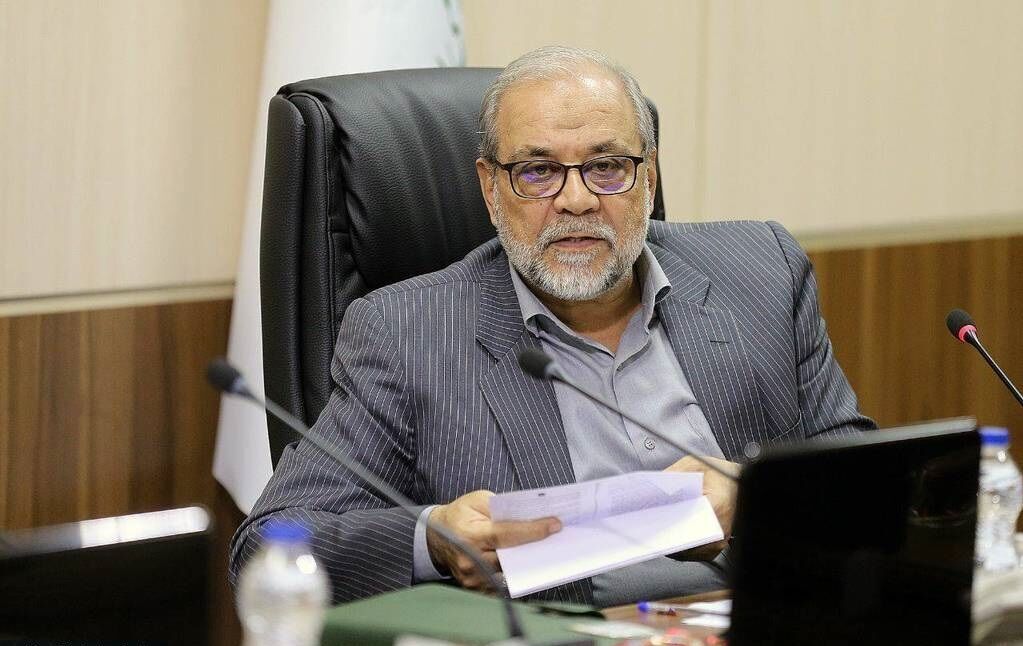
Tehran (Diplomat.so) – Iran's presidency appointed Mohammad Bagher Zolghadr as secretary of the Supreme National Security Council in Tehran on Tuesday, with the approval of Supreme Leader Mojtaba Khamenei, following the killing of former secretary Ali Larijani in an airstrike reported on March 17, 2026.
The appointment was confirmed by Mehdi Tabatabaei, deputy head for communications in President Masoud Pezeshkian’s office, who stated on the social platform X that Zolghadr would assume responsibility for coordinating Iran’s highest-level security and defense policies. The presidency oversees the Supreme National Security Council, which serves as the country’s central body for strategic decision-making on national security.
The secretary of the Supreme National Security Council plays a central administrative and coordinating role in aligning defense policy, intelligence cooperation, and strategic planning across state institutions.
Tabatabaei said the decision reflects "continuity in safeguarding national interests under evolving regional conditions,” according to an official statement reviewed by Diplomat News Network. Israeli authorities have publicly claimed responsibility for the strike that killed Ali Larijani, though Tehran has not released full operational details.
Zolghadr, a retired brigadier general of the Islamic Revolutionary Guard Corps (IRGC), brings decades of experience across military and governmental roles.
Zolghadr, a former senior commander in the Islamic Revolutionary Guard Corps (IRGC), previously served as secretary of the Expediency Discernment Council, an advisory body to the Supreme Leader that mediates legislative disputes. His career spans more than four decades across military, judicial, and administrative institutions.
Speaking to Diplomat News Network, Mohsen Khosravi, a Tehran-based political analyst, said Zolghadr’s appointment "signals a preference for experienced security figures with deep institutional ties, particularly at a time of heightened external pressure.” He added that Zolghadr’s past involvement in cross-border coordination during the Iran-Iraq War shaped his strategic outlook.
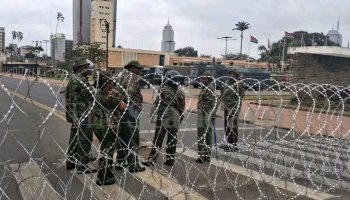
On the ground in Tehran, there was no visible public unrest following the announcement, though security presence remained elevated around key government buildings in central districts. Several residents described a subdued atmosphere, with traffic flowing normally but increased patrols observed near official compounds.
"People are watching developments closely, but daily life continues,” said Hamid Nouri, a shop owner near Valiasr Street. "There is concern about escalation after what happened last week.”
Zolghadr’s earlier roles included deputy commander of the IRGC and close coordination with internal paramilitary groups such as the Basij. These groups have historically been deployed in managing domestic security situations, including protests.
The leadership transition comes at a sensitive moment for Iran, as regional tensions remain high and internal economic pressures persist. Analysts note that the Supreme National Security Council plays a pivotal role in shaping responses to both external threats and domestic stability challenges.
The selection of Zolghadr underscores the continued influence of security institutions within Iran’s political structure and suggests a consolidation of authority among figures with longstanding ties to the IRGC and state security apparatus.