Washington, D.C. (Diplomat.so) – The United States Department of War said on Saturday, May 2, that its maritime blockade targeting Iranian ports has resulted in at least $4.8 billion in lost oil revenue for Iran, intensifying economic pressure on Tehran amid ongoing regional tensions.
Pentagon officials, speaking in briefings cited by Axios, stated that 31 oil tankers carrying approximately 53 million barrels of Iranian crude remain stranded at sea, unable to offload cargo due to enforcement measures restricting access to international markets. The estimated value of the immobilized shipments exceeds $4.8 billion, according to defense assessments.
A spokesperson for U.S. Central Command (CENTCOM) confirmed in a public statement earlier this week that enforcement operations have expanded. "There are currently 41 tankers holding roughly 69 million barrels of oil that the Iranian government cannot sell,” the statement said, placing the broader financial impact above $6 billion. The command added that forces had intercepted an additional commercial vessel attempting to breach the blockade.
Field observations from maritime tracking services indicate a buildup of tankers in key transit corridors near the Gulf, with several vessels reportedly idling under high temperatures and limited maneuvering space. Shipping analysts note that some older tankers are now being repurposed as floating storage units due to Iran’s reported inability to store additional crude on land.
An energy market analyst, Daniel Farhadi, told Diplomat News Network that the situation reflects "a structural bottleneck rather than a temporary disruption.” He added, "Once storage capacity is saturated, production decisions become constrained, which directly affects revenue streams and fiscal planning.”
Iranian officials have not issued a detailed response to the blockade figures but previously estimated broader war-related damages at approximately $270 billion, according to statements carried by state-affiliated media in mid-April.
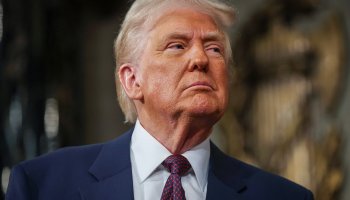
Separately, diplomatic tensions remain unresolved. U.S. President Donald Trump said on Friday that he was dissatisfied with a recent proposal submitted by Iran through Pakistan, which is acting as a mediator following inconclusive talks held in Islamabad in April. "At this moment, I’m not satisfied with what they’re offering,” Trump told reporters at the White House, adding that Iranian leadership appeared divided on negotiation strategy.
A regional policy researcher based in Doha, speaking on condition of attribution, noted that economic pressure through maritime restrictions could influence future negotiations but warned of escalation risks. "Sustained economic isolation often forces tactical adjustments, but it can also harden political positions internally,” the researcher said.
The blockade underscores a broader effort by Washington to limit Iran’s oil exports, a key source of national income. Analysts say the continued standoff may affect global oil supply dynamics if prolonged, particularly in already volatile energy markets.
The evolving situation places economic strain on Iran while shaping the diplomatic landscape of ongoing negotiations, with implications for regional stability and international energy flows.