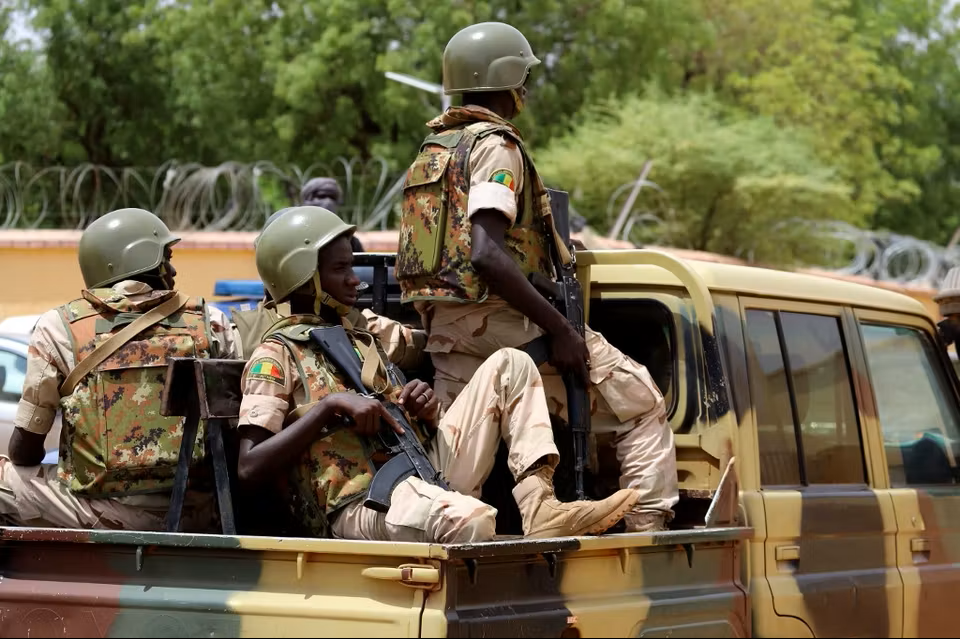
Bamako (Diplomat.so) – Mali's military tribunal prosecutor near Bamako said on Friday, May 1, that five suspects, including three active-duty soldiers, had been identified in connection with coordinated attacks on army bases across the country on April 25, 2026, as authorities investigate alleged internal collusion with armed groups.
Investigations and Arrests Expand
A prosecutor at a military tribunal near the Malian capital confirmed that early arrests have already been carried out as part of widening investigations into suspected insider involvement in the attacks. In a written statement, the office said: "The first arrests have been successfully carried out, and all other perpetrators, co-perpetrators, and accomplices are actively being sought.”
Officials identified five suspects in total, including serving military personnel, one retired soldier, and a soldier who was killed during clashes near a military facility outside Bamako. Security officials have not disclosed detailed charges, but said the investigation is focused on coordination between internal actors and armed groups.
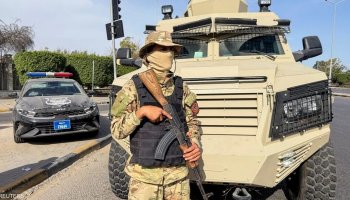
The statement was issued amid heightened security measures in and around military installations in the capital, where armored vehicles and checkpoints were observed along key access roads. Military sources speaking on condition of attribution described the investigation as "sensitive and ongoing,” citing concerns about infiltration within security structures.
Coordinated April 25 Assaults Across Strategic Bases
The developments stem from a large-scale, coordinated assault on April 25 that targeted multiple army positions across Mali. The attacks struck at the heart of the country’s military leadership, which has governed since coups in 2020 and 2021, intensifying pressure on already stretched security forces.
Among the most significant consequences of the violence was the reported loss of control over the northern town of Kidal, where Russian personnel supporting government forces were forced to withdraw. Armed groups, including the al-Qaeda-linked Jama’at Nusrat al-Islam wal-Muslimin (JNIM) and Tuareg separatists from the Liberation Front for Azawad (FLA), now maintain a presence in the area.
In the far north, additional reports indicated the fall of a military position in Tessalit, further consolidating insurgent influence across key desert corridors. The coordinated nature of the attacks has raised concerns among analysts about increasing operational alignment between jihadist factions and separatist movements.
Government Response
Malian transitional leader Assimi Goita addressed the nation in a televised speech on Tuesday, stating that the security situation remained under control despite the scale of the attacks. "We will neutralise the armed groups responsible for these acts,” he said, reaffirming the government’s commitment to restoring stability across contested regions.
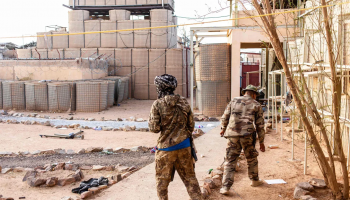
Security officials have increased patrols in Bamako and reinforced military installations nationwide. Armored convoys have been deployed along major arteries, while entry points into the capital have seen tighter screening procedures. Government representatives have not provided a timeline for concluding the investigation into alleged internal involvement.
Officials said the priority remains restoring command integrity within the armed forces and preventing further infiltration by insurgent networks.
Rising Insurgent Pressure
JNIM has publicly called on Malians to rise against the military-led government and has advocated for the implementation of Islamic law across the country. The group has also issued threats to expand pressure toward the capital, Bamako, heightening concerns over urban security.
Security sources cited by Reuters reported that armed elements had established checkpoints on roads surrounding Bamako, a city of more than four million residents. These claims have not been independently verified by Malian authorities, though they reflect growing concerns about insurgent mobility in central regions.
Field observers note that such tactics indicate a shift from remote desert warfare toward increased pressure on population centers, potentially disrupting civilian movement and trade routes linking the capital with southern regions.
Strategic Implications
Malian security analyst Fatoumata Ousmane said the situation represents a critical test for Mali’s military leadership. "The big test will be whether the government can hold on to larger cities in the north, such as Timbuktu and Gao,” she said, highlighting the strategic importance of these urban centers.
Ousmane added that the expanding footprint of armed groups could have broader regional implications, particularly if cross-border operations intensify across the central Sahel.
Diplomat News Network analysis of the tribunal statement and field developments suggests that the allegations of internal collusion could complicate ongoing counterinsurgency operations, potentially weakening trust within Mali’s security apparatus at a time of heightened external pressure.
The convergence of insurgent advances, territorial losses, and internal investigations underscores a volatile phase in Mali’s security landscape, with authorities now facing simultaneous challenges on both operational and institutional fronts.