Washington, D.C. (Diplomat.so) – United States President Donald Trump on Wednesday, April 22, claimed that Iran is experiencing severe financial strain linked to disruptions affecting the Strait of Hormuz, stating that the country is under growing economic pressure, liquidity shortages, and operational stress amid intensified U.S. restrictions targeting Iranian maritime trade and energy exports.
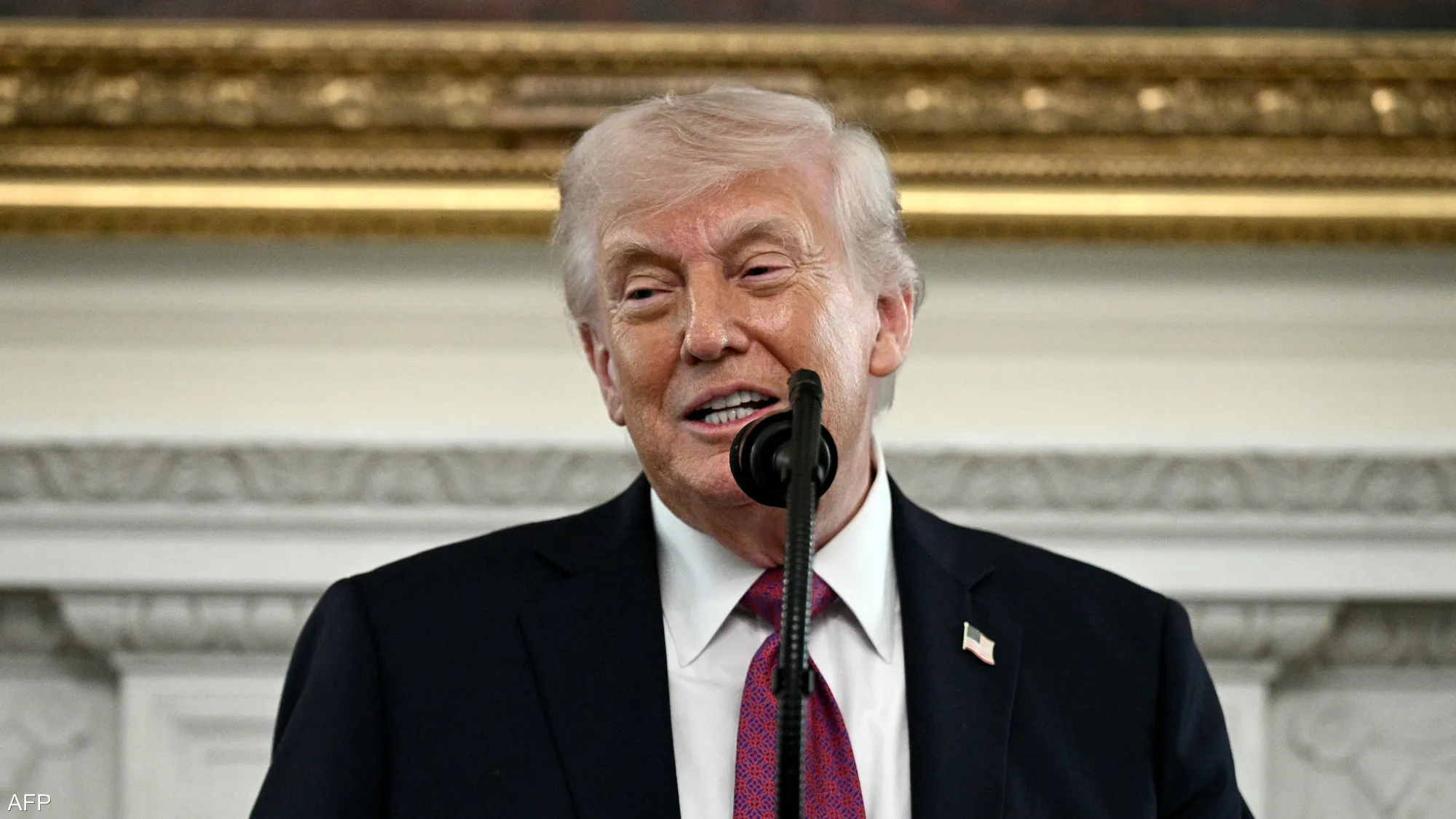
Trump made the remarks in a post on Truth Social, asserting that Tehran’s economy was deteriorating rapidly and that its institutions were struggling to function financially as Washington continues enforcement actions aimed at limiting Iranian oil revenue and shipping activity through strategic waterways.
Financial Pressure
Trump stated that Iran was facing an acute economic downturn and attempting to restore access through the Strait of Hormuz, one of the world’s most important energy transit routes.
"Iran is financially collapsing! It wants to immediately open the Strait of Hormuz,” Trump wrote in his post.
He further claimed that the Iranian government is experiencing severe liquidity shortages and widespread financial distress across state institutions.
"They are running out of cash! They are losing $500 million a day. Their military and police are complaining about not being paid,” he added.
The White House has not independently confirmed the figures cited by the president, though officials continue to emphasize that sanctions and maritime enforcement are part of a broader strategy to limit Iran’s revenue streams.
A senior U.S. administration official, speaking on condition of anonymity, said Washington is "continuing to monitor and disrupt illicit financial channels linked to sanctioned activities,” without providing operational details.
Expansion of U.S. Economic Pressure Strategy
Reports cited by the Wall Street Journal estimate that U.S. maritime restrictions and sanctions enforcement may be costing Iran between 400 million and 500 million dollars per day in disrupted trade and oil export revenues.
The Trump administration has described its approach as an intensified economic pressure campaign designed to reduce Iran’s ability to generate foreign currency through energy exports and maritime logistics.
U.S. Treasury Secretary Scott Bessent reinforced this position in a statement on X, confirming continued enforcement efforts.
"The U.S. Navy will continue to enforce restrictions on Iranian ports,” Bessent said.
He added that storage facilities on Kharg Island could soon reach capacity, potentially forcing limitations on oil production and export flows.
"Within days, storage facilities on Kharg Island will be filled, and Iran’s fragile oil wells will be forced to shut down,” he stated.
Bessent also warned that any entity assisting Iran in financial transactions or maritime trade networks could face sanctions, saying the U.S. would continue targeting what he described as illicit financial flows.
Strategic Importance of the Strait of Hormuz
The Strait of Hormuz remains one of the most critical chokepoints in global energy supply chains, with nearly one-fifth of global oil and liquefied natural gas shipments passing through the corridor under normal conditions.
Heightened tensions in the region have increased concern among shipping operators over safety, insurance costs, and operational delays.
Maritime risk firm Marisecs reported that several shipping companies operating near the western approaches of the strait received suspicious messages offering guaranteed passage in exchange for cryptocurrency payments.
The company warned that these messages were fraudulent.
"These messages are specifically a scam,” Marisecs stated, adding that no official Iranian authority had issued such communications.
A Gulf-based maritime logistics coordinator, speaking anonymously due to operational sensitivity, said vessel movement has slowed significantly. "There is hesitation among operators because of inconsistent signals and uncertainty about security conditions,” the coordinator said.
Rising Maritime Fraud Risks
Security analysts have warned that geopolitical tensions are being accompanied by an increase in maritime fraud schemes targeting commercial operators.
Marisecs noted that unknown actors have attempted to impersonate official authorities to collect unauthorized transit fees in digital currencies.
The firm said such schemes exploit confusion surrounding maritime access and regulatory conditions in contested waters.
"These fraudulent operations are taking advantage of uncertainty in the region,” the company said, advising shipping firms to verify all instructions through official maritime authorities before taking action.
Industry experts caution that such risks may further disrupt global supply chains and increase operational costs for energy transport routes.
Ceasefire Extension
The economic and maritime pressure campaign comes alongside ongoing diplomatic activity involving regional stakeholders.
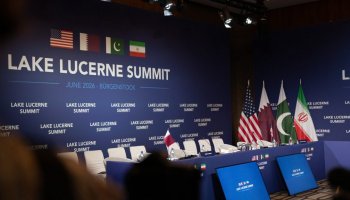
Trump confirmed that a ceasefire arrangement with Iran would be extended pending further negotiations, stating that the decision followed a request from Pakistan to allow additional time for diplomatic discussions.
Pakistani Prime Minister Shehbaz Sharif welcomed the development, expressing hope that both Washington and Tehran would maintain restraint.
"We hope both sides continue to respect the ceasefire,” Sharif said in a public statement, adding that Pakistan would support continued diplomatic engagement to resolve tensions.
A Pakistani diplomatic official described Islamabad’s role as facilitating communication channels aimed at reducing escalation risks, noting that regional stability remains a key priority.
Regional and Global Economic Implications
Analysts say continued instability in the Strait of Hormuz could have immediate consequences for global energy markets, particularly oil pricing and shipping insurance premiums.
Disruptions in the corridor often lead to volatility in commodity markets due to its central role in global energy transportation.
An energy analyst based in the Gulf region said the situation reflects "a combined pressure environment involving economic sanctions, maritime restrictions, and diplomatic uncertainty.”
He added that prolonged restrictions on Iranian exports could reshape regional energy flows and trade routes depending on the duration of enforcement measures and diplomatic outcomes.
Outlook for Tensions and Negotiations
The situation continues to evolve across three interconnected dimensions: economic pressure, maritime enforcement, and diplomatic negotiation efforts.
Washington maintains that sanctions and maritime restrictions are intended to limit Iran’s financial capacity, while regional actors continue to push for dialogue to prevent escalation.
Diplomatic observers note that the durability of the ceasefire extension and progress in negotiations will play a decisive role in determining whether tensions stabilize or intensify further.
The Strait of Hormuz remains central to the dispute, with developments in the coming days expected to influence both regional security dynamics and global energy stability.