Moscow (Diplomat.so) – Russia's Chief of the General Staff Valery Gerasimov said on Tuesday, April 21, that Russian forces had captured 1,700 square kilometres of Ukrainian territory this year and were advancing toward fortified positions in the Donbas region.
Russian Territorial Claims in Eastern Ukraine
Valery Gerasimov, Russia’s Chief of the General Staff, stated that "since the beginning of this year, 80 settlements and more than 1,700 square kilometres of territory have come under our control,” in remarks broadcast in footage released by the Russian Ministry of Defence on Tuesday.
The Russian military leadership said its forces were pressing forward against heavily fortified Ukrainian defensive positions in eastern Ukraine, particularly in areas Moscow refers to as strategic corridors linking key urban centres. Gerasimov described continued operations aimed at weakening Ukrainian defensive depth, though battlefield claims from either side have not been independently verified.
Reuters reported that it was unable to independently confirm the battlefield assertions. The Ukrainian military has not issued an immediate response to the latest Russian claims. Open-source maps aligned with Ukrainian assessments reportedly indicate significantly lower Russian territorial gains this year, underscoring discrepancies in battlefield reporting.
Ukrainian Military Response
Ukraine’s top military commander, Oleksandr Syrskyi, said Ukrainian forces had regained approximately 50 square kilometres of territory during March, framing the developments as part of ongoing defensive and counter-offensive operations across multiple front sectors.
Military analysts caution that the fluid nature of frontlines makes precise territorial accounting difficult, particularly in areas of active combat where control can shift repeatedly within short periods. Neither Kyiv nor Moscow provides independently verifiable real-time mapping of control lines, contributing to competing narratives of battlefield momentum.
Fighting Around the Donbas "Fortress Belt”
Gerasimov further claimed that Russian forces were operating against what he described as the "fortress belt” in Ukraine’s Donetsk region, a heavily defended chain of cities including Sloviansk, Kramatorsk, and Kostiantynivka.
According to his remarks, Russian units are positioned approximately 7 to 12 kilometres from Sloviansk and Kramatorsk, while elements are reportedly engaged in combat inside parts of Kostiantynivka. These towns form a critical logistical and defensive network for Ukrainian forces in the eastern theatre.
The Russian military also claimed advances in northern and northeastern Ukraine, including Sumy and Kharkiv regions, with objectives described as creating what Moscow refers to as a "security buffer zone” along the border areas.
Broader War Context Since 2022
The war, which began with Russia’s full-scale invasion of Ukraine in February 2022, has remained concentrated in eastern and southern regions, particularly Donbas, Zaporizhzhia, and Kherson. Russian authorities claim control over large portions of these territories, including most of Donbas and significant areas along the southern front.
Ukraine continues to dispute these figures, maintaining that Russian control fluctuates and is significantly lower than Moscow’s official estimates.
The contested nature of territorial reporting reflects one of the most persistent challenges in covering the conflict, with both sides frequently releasing figures that cannot be independently verified under wartime conditions.
Escalation in Drone Warfare
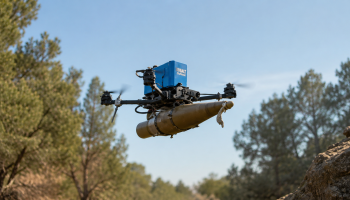
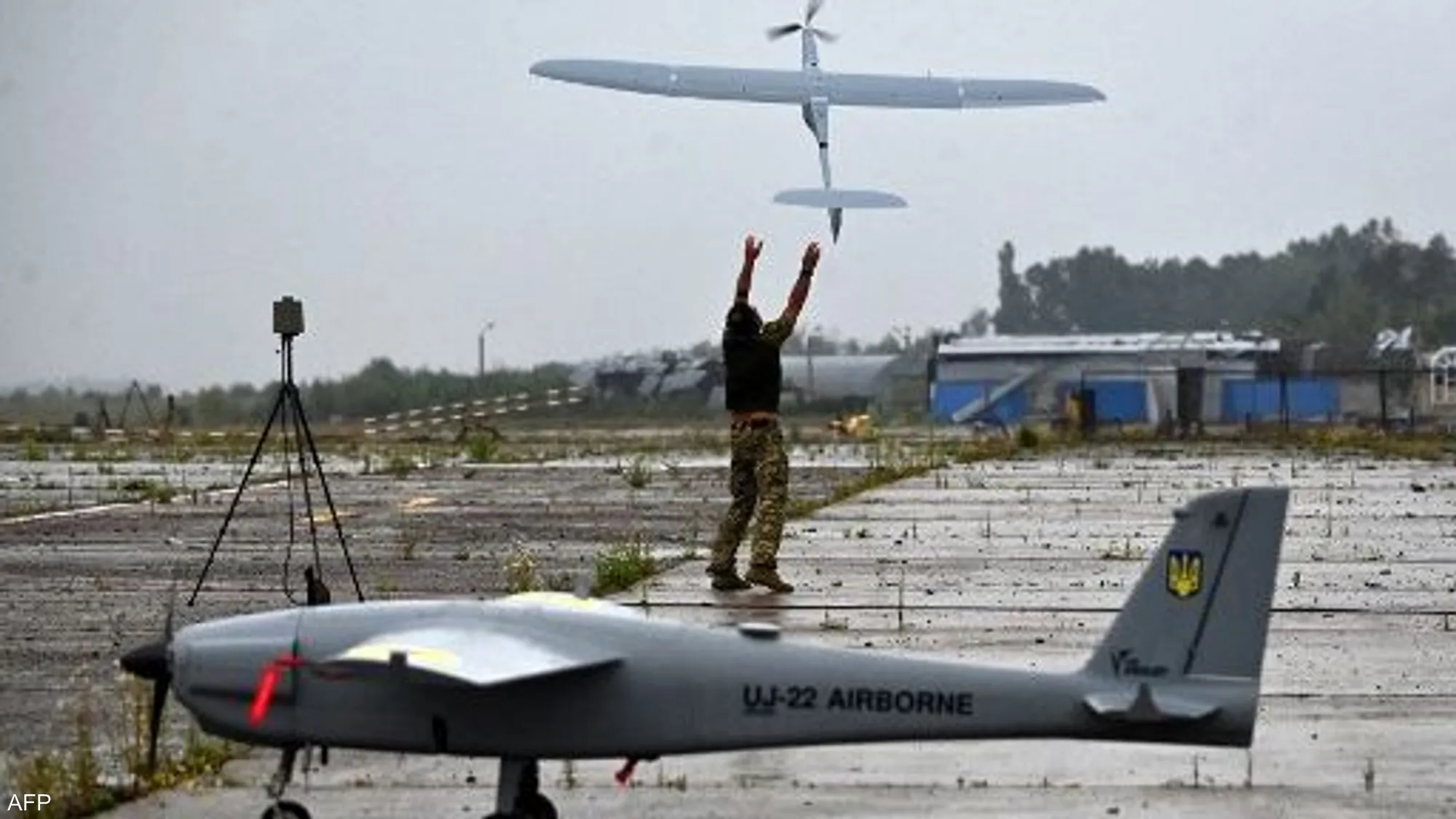
Parallel to ground operations, both Russia and Ukraine reported intensified drone warfare across multiple regions. Ukraine’s Air Force said its air defence units intercepted 113 out of 142 drones launched by Russia overnight, targeting northern, southern, and eastern regions.
"The Ukrainian defence forces destroyed or suppressed 113 enemy UAVs using air defence systems, electronic warfare units, and mobile fire groups,” the Air Force said in a statement shared on Telegram.
A defence official cited by Diplomat News Network noted that drone interception rates remain "high but increasingly resource-intensive,” reflecting sustained pressure on Ukraine’s air defence infrastructure.
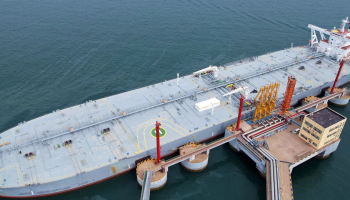
On the Russian side, authorities in the Krasnodar region said a drone strike hit the Black Sea port city of Tuapse. Governor Veniamin Kondratyev said the attack caused a fire at the port and left one man dead and another injured.
"Tuapse was targeted in another large-scale drone attack,” Kondratyev said in a statement, adding that emergency services were deployed to contain damage at the site. Russian defence authorities claimed their air defence systems intercepted and destroyed 112 Ukrainian drones overnight, though these figures also remain unverified independently.
Regional Impact
The simultaneous escalation of territorial claims and drone warfare highlights the continued intensity of the conflict across both frontlines and rear areas. Energy infrastructure, transport nodes, and port facilities have remained frequent targets, affecting civilian and military logistics.
Analysts note that competing claims of territorial control are increasingly shaping diplomatic messaging as both Moscow and Kyiv seek to demonstrate momentum ahead of potential future negotiations. However, the lack of independent verification continues to complicate external assessments of battlefield realities.
The current phase of the conflict reflects a prolonged war of attrition, where incremental territorial shifts and sustained aerial strikes define operational conditions rather than large-scale breakthroughs.
As fighting continues across multiple regions, the strategic balance remains contested, with neither side presenting verifiable evidence of decisive advantage on the ground or in the air.