Washington D.C. (Diplomat.so) – U.S. President Donald J. Trump stated on Tuesday, that France refused to allow U.S. military planes carrying supplies to Israel to transit its airspace, criticizing Paris as "very unhelpful" amid escalating tensions with Iran.
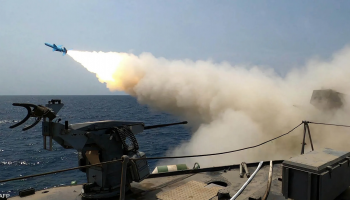
Trump, in a post on his social media platform Truth Social, highlighted ongoing U.S. operations targeting Iranian missile stockpiles and military infrastructure, framing the measures as a step toward neutralizing Iran’s nuclear and regional threats. "The U.S.A. will REMEMBER!!!” he wrote, emphasizing his administration’s strategic objectives in the Middle East.
In an interview with Israel’s Channel 14, Trump said Iranian officials are reportedly "desperate to reach an agreement” with the United States. He added that U.S. forces "are already working to control the Strait of Hormuz,” a critical maritime chokepoint for global oil shipments. Trump also noted that his coordination with Israeli Prime Minister Benjamin Netanyahu remains "extremely close,” describing the bilateral relationship as optimal amid current security challenges.
On Thursday, Trump announced a temporary 10-day suspension of operations targeting Iranian power stations, citing an Iranian government request. The suspension, set to expire on Monday, April 6, Eastern U.S. time, aligns with ongoing indirect U.S.-Iran talks mediated by Pakistan.
Independent observers in Washington and Tel Aviv report heightened U.S. military activity in the Gulf region.
Trump stated that U.S. forces have neutralized over 13,000 Iranian targets, with roughly 3,000 remaining, and suggested the potential to seize key oil facilities, including Kharg Island, citing minimal defensive presence. Experts caution that such operations could disrupt global energy markets and provoke international diplomatic repercussions.
The broader context includes historical U.S.-Iran tensions over nuclear programs, regional proxy conflicts, and sanctions. France’s refusal to allow overflight signals potential fractures in allied coordination, raising questions about multilateral response strategies in case of escalation.
Security analysts emphasize that Trump’s statements, even if primarily rhetorical, could influence global oil markets and regional diplomatic dynamics.
Washington and allied capitals continue to monitor Iran’s response, troop movements, and the diplomatic fallout of ongoing U.S. military planning.