Addis Ababa (Diplomat.so) – The African Union (AU) has formally rejected the candidacy of former Senegalese President Macky Sall for the post of United Nations Secretary-General after twenty member states broke the "silence procedure" set by AU Chairperson Évariste Ndayishimiye on Friday, March 27.
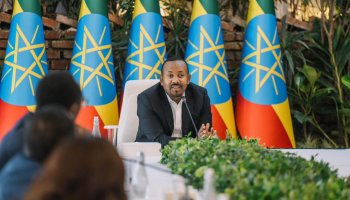
As of February 15, 2026, Burundian President Évariste Ndayishimiye is the Chairperson of the African Union. He took over from Angolan President João Lourenço to lead the continental body, focusing on issues such as peace, security, and the AU’s 2026 agenda. Ndayishimiye’s attempt to fast-track Sall’s nomination, however, has exposed divisions among member states and raised questions about leadership and procedural compliance.
The African Union Commission confirmed that the circulated draft decision, which expressed support for Sall, "has not been adopted,” highlighting a rare procedural rupture in the 55-member continental organization. The submission and attempted approval, initiated by Burundi’s AU presidency, sparked objections from several capitals, including Senegal, which clarified it had not endorsed Sall’s nomination.
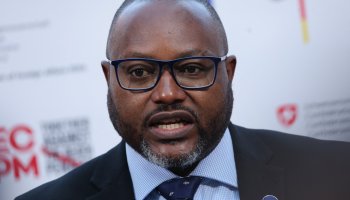
Rwanda’s Minister of Foreign Affairs Olivier Jean Patrick Nduhungirehe criticized the process on X (formerly Twitter), stating that the twenty AU member states acted to oppose a flawed procedure initiated by President Ndayishimiye, rather than to reject any candidate. He added that Burundi’s Permanent Representative had submitted Sall’s nomination to the UN on March 2 without consulting other heads of state, violating established AU protocols for international candidatures.
Eyewitnesses at AU headquarters in Addis Ababa described a tense atmosphere as officials received formal notice of the twenty member states breaking the silence, reflecting both procedural urgency and diplomatic friction. A diplomat present during the notification described the scene as "a scramble in real-time, with member states visibly concerned about being rushed into an endorsement without proper deliberation.”
Analysts suggest the incident exposes broader challenges within the AU, including the Chairperson’s limited experience in managing continental consensus. Fatou Ibrahima, an African governance expert based in Dakar, noted that the episode "reflects a deeper problem of political coordination at the AU’s top level, where unilateral moves can quickly erode credibility and trust.”
The failed attempt to secure Sall’s candidacy comes amid heightened scrutiny of African representation in international organizations.
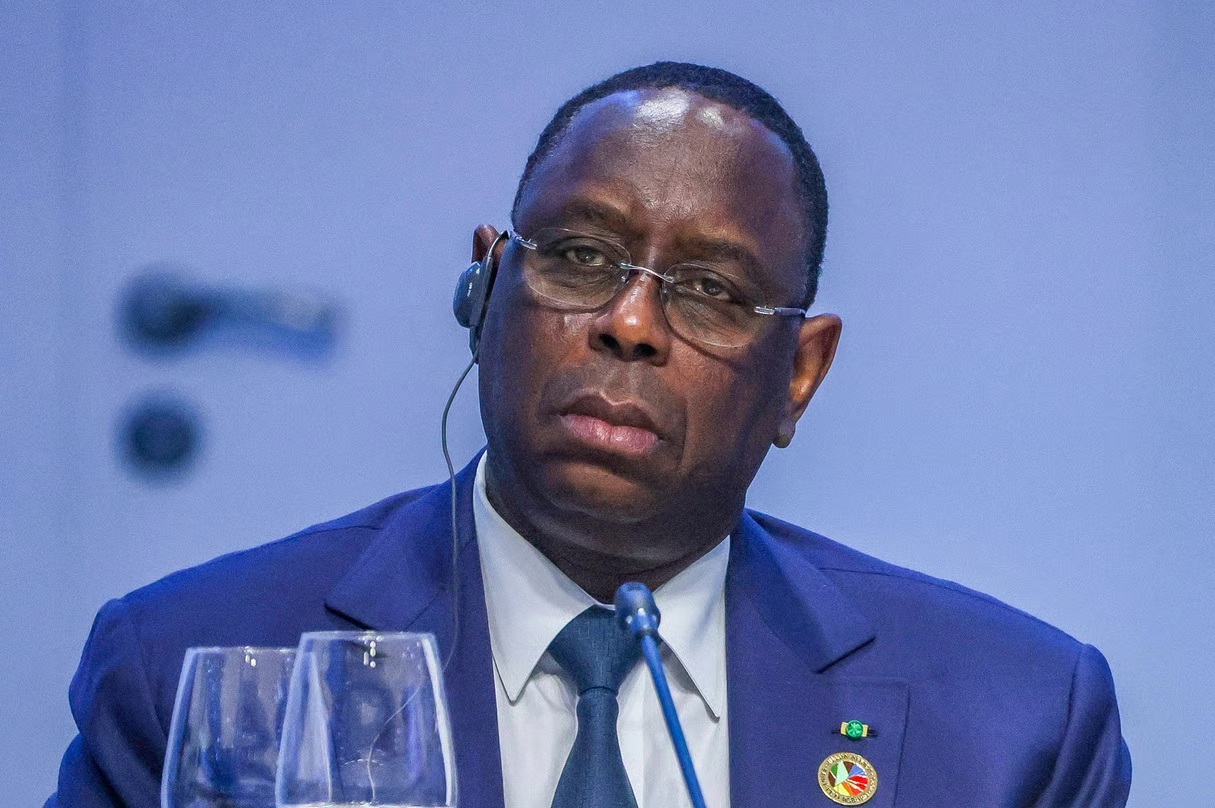
Macky Sall , who served as Senegal’s president from 2012 to 2024, has faced political unrest since leaving office, and his candidacy had already stirred debate over regional influence and procedural legitimacy.
The AU Commission’s official note emphasized that "by close of business on 27 March 2026, twenty member states have broken the silence to the adoption of the draft decision,” reinforcing that collective decision-making remains a fundamental principle despite the Chairperson’s fast-track attempt. Observers note that this episode may prompt stricter procedural guidelines for future AU nominations to high-level international posts.
Experts argue the episode underscores the importance of consensus-building in continental diplomacy. While Sall’s qualifications remain undisputed, the manner of his submission has drawn attention to institutional accountability, the AU’s internal coordination mechanisms, and the potential repercussions for Africa’s unified voice on global governance issues.