Tel Aviv (Diplomat.so) – Channel 12 Israel reported on Wednesday, that U.S. and Israeli officials expect the war with Iran to continue for two to three weeks even if ceasefire negotiations advance in Washington, D.C., as diplomatic efforts intensify alongside military considerations.
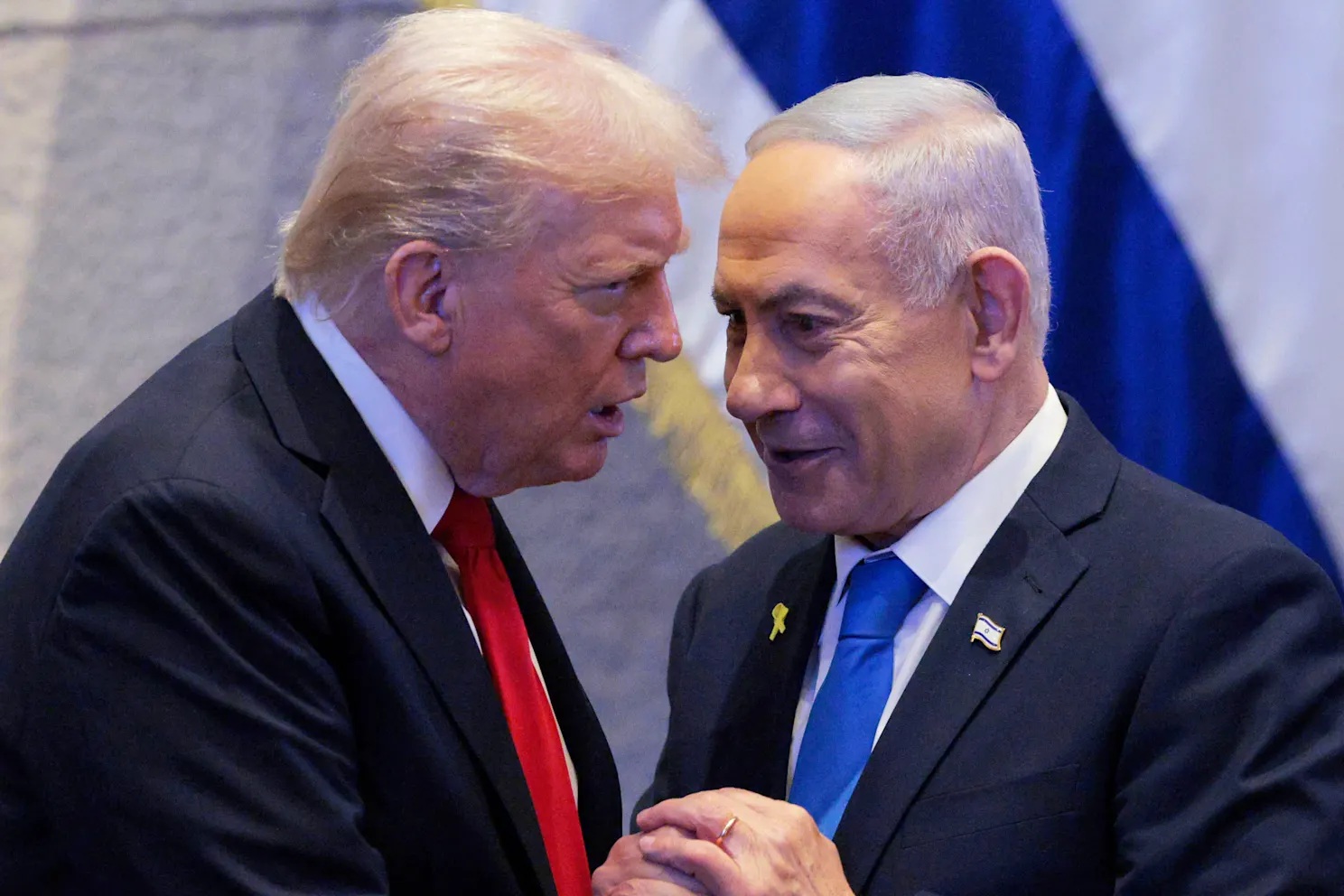
The report cited Israeli assessments that Israeli Prime Minister Benjamin Netanyahu is concerned U.S. President Donald Trump could agree to a deal that does not fully align with Israel’s strategic objectives. Israeli media outlet Yedioth Ahronoth separately quoted officials as saying any agreement between Washington and Tehran is unlikely to be reached quickly.
U.S. President Donald Trump said Tuesday that progress was being made in negotiations aimed at ending the conflict, noting that Washington had secured what he described as a significant concession from Iran. He added that diplomacy remains active despite ongoing tensions. "We are making meaningful headway in discussions that could bring this conflict to a close,” Trump said during remarks at the White House.
According to a report by The New York Times, U.S. officials have sent a proposed 15-point framework to Iran outlining potential terms for de-escalation. The proposal reportedly includes measures related to Iran’s nuclear program and regional activities, though neither side has publicly confirmed the full details.
A source speaking to Axios indicated that Iran has expressed skepticism toward the initiative, telling mediators that previous experiences have undermined trust. The source said Iranian officials believe recent U.S. military movements have contributed to concerns that diplomatic outreach may be accompanied by strategic pressure.
An Iranian official familiar with the discussions said, speaking on condition of attribution, that Pakistan and Turkey have been involved in facilitating communication channels. "Multiple intermediaries are being considered to identify a mutually acceptable venue for talks,” the official said, adding that the location of any direct negotiations remains undecided. Pakistan and Turkey have both been mentioned as possible hosts.
Separately, Channel 14 Israel reported that Iran’s Foreign Minister Abbas Araghchi and Parliament Speaker Mohammad Bagher Ghalibaf were granted temporary assurances of non-targeting during a five-day negotiation window to ensure their participation in talks without disruption.
On the ground in Tehran, a resident described heightened uncertainty. "People are following every update closely, but there is a sense that outcomes depend more on external powers than local developments,” the resident said.
A Middle East security analyst, speaking to Diplomat News Network, noted that parallel diplomatic and military posturing reflects a dual-track strategy by Washington. "The U.S. appears to be maintaining leverage by keeping both negotiation and escalation options open, which complicates trust-building with Tehran,” the analyst said.
The situation reflects broader regional dynamics, where negotiations intersect with security concerns, alliance considerations, and long-standing geopolitical tensions. Previous breakdowns in nuclear and security talks between the United States and Iran have contributed to cautious approaches from both sides.
Analysts say the evolving framework—combining proposed ceasefires, multi-point agreements, and third-party mediation—signals an attempt to stabilize the conflict while preserving negotiating flexibility. However, the lack of confirmed venues and mutual trust continues to pose challenges to reaching a durable settlement.