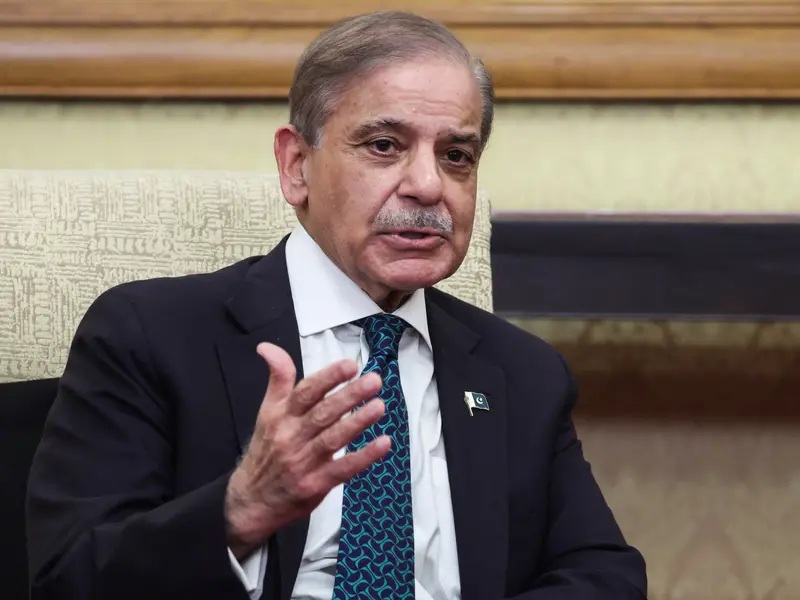
Islamabad (Diplomat.so) - Pakistan Prime Minister Shehbaz Sharif on Tuesday, publicly offered to host talks between the United States and Iran in Islamabad as regional tensions continue to escalate across the Middle East.
Sharif announced the proposal in a post on the social media platform X, directly addressing U.S. President Donald Trump, U.S. Special Envoy Steve Witkoff, and Iranian Foreign Minister Abbas Araghchi. The Pakistani leader stated that Islamabad "fully supports ongoing efforts to continue dialogue aimed at ending the war,” emphasizing Pakistan’s readiness to facilitate "serious and decisive discussions” if both Washington and Tehran agree.
A senior official at Pakistan’s Ministry of Foreign Affairs, speaking to Diplomat News Network on the record, said the offer reflects Islamabad’s "longstanding diplomatic position of encouraging dialogue over confrontation.” The official added that Pakistan has maintained communication channels with both countries and is "prepared to provide a neutral platform.”
The proposal comes as international pressure mounts to revive diplomatic engagement between the United States and Iran, amid fears that ongoing conflicts in the Middle East could expand into a wider regional confrontation. Previous attempts at indirect negotiations have stalled, with disagreements over security guarantees, sanctions, and regional influence.
Pakistan has historically positioned itself as a mediator in regional disputes, leveraging its diplomatic ties across the Muslim world and its strategic relationship with Washington. However, experts caution that facilitating U.S.-Iran dialogue presents significant challenges given the depth of mistrust between the two governments.
"Pakistan’s offer is diplomatically significant, but the success of such talks depends entirely on political will in Washington and Tehran,” said Farah Naz, a regional security analyst based in Lahore. "At this stage, even agreeing to meet would be considered progress.”
Sharif’s initiative highlights growing concern among regional actors about the broader implications of continued conflict, including risks to energy markets, trade routes, and international security, reinforcing calls for urgent de-escalation through dialogue.