



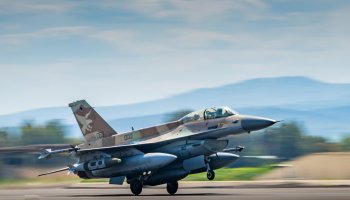
Tel Aviv (Diplomat.so) – The Israel Defense Forces Chief of Staff Eyal Zamir warned on Sunday, in an official statement from military headquarters, that Israeli forces are preparing to intensify targeted ground operations and airstrikes in Lebanon amid ongoing hostilities with Hezbollah.
Zamir said the campaign remains in its early stages and is expected to be prolonged, emphasizing that operational plans approved by the military leadership are already in place. "The operation against Hezbollah is only at its beginning… we are ready for it,” he stated, adding that the military is moving forward with structured plans to expand both ground maneuvers and aerial operations. He stressed that Israel aims to remove perceived threats along its northern border and ensure long-term security for residents in northern areas.
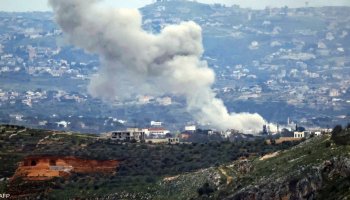
The Israeli military confirmed that Zamir approved updated operational frameworks on Saturday designed to expand activities in southern Lebanon. The announcement coincides with continued Israeli airstrikes targeting infrastructure in the south, including the destruction of the Qasimiya Bridge over the Litani River. Israeli forces said the bridge was struck multiple times and rendered inoperable as part of efforts to disrupt movement routes.
Israeli Defense Minister Israel Katz previously directed the military to target bridges crossing the Litani River, arguing that such structures could facilitate the movement of fighters and equipment. "We will act to prevent the transfer of weapons and operatives south of the Litani,” he said in earlier remarks, reflecting a broader strategy to limit Hezbollah’s operational mobility.
Lebanese President Joseph Aoun condemned the strike on the Qasimiya Bridge, describing it as a violation of sovereignty and warning of broader implications. "Targeting vital infrastructure is a dangerous escalation and a clear violation of Lebanon’s sovereignty,” he said, characterizing the attack as an act that affects civilians and disrupts essential transportation links across the south.
In southern Lebanon, residents reported disruptions to daily travel following the destruction of the bridge. "Crossing between towns has become significantly more difficult, forcing longer detours,” said a local resident speaking from the affected area. Another commuter described increased congestion on alternative routes, noting delays affecting both civilian movement and commercial transport.
Analysts assess that the targeting of bridges spanning the Litani River carries both tactical and logistical consequences. The river serves as a key geographic boundary linking southern Lebanon to central regions and the coastal corridor, meaning damage to crossings can hinder mobility, supply chains, and emergency access.
Military analyst Yaarab Sakhr said the pattern of strikes indicates a deliberate effort to isolate southern Lebanon. "The strategy appears aimed at restricting movement and creating operational separation between southern areas and the rest of the country,” he explained. He added that infrastructure targeting plays a central role in limiting coordination and reinforcing control over the battlefield environment.
Sakhr added that the evolving pattern of Israeli operations suggests a gradual territorial advance. "Israel is advancing incrementally and has already penetrated between 3 to 5 kilometres into southern Lebanon, seeking to consolidate this progress and turn it into a lasting field reality,” he said.
Sakhr also noted that continued escalation could extend the scope of operations further north if additional crossings are targeted. He pointed to reported military mobilization and reserve readiness as indicators of preparation for sustained engagement. "There are indications of approximately 70,000 soldiers positioned and ready, alongside the mobilization of hundreds of thousands of reserve personnel,” he noted, referring to the scale of readiness for a potentially prolonged engagement, though such figures have not been independently verified.
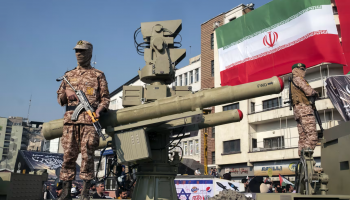
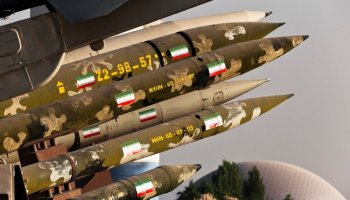
The developments highlight the interconnected nature of the northern front with broader regional dynamics involving Iran, which Israeli officials frequently describe as a central actor influencing Hezbollah’s capabilities and strategy. Zamir himself characterized Hezbollah as a key regional proxy, linking the situation in Lebanon to wider security considerations.
Speaking to Diplomat News Network in a prior briefing context referenced by officials, one defense observer noted that the current phase reflects a shift toward more persistent operations rather than short-term exchanges, underscoring the evolving nature of the conflict. The continuation of strikes on infrastructure and the prospect of expanded ground activity suggest a potential reconfiguration of operational boundaries, with implications for both military dynamics and civilian conditions in southern Lebanon.
Leave a comment