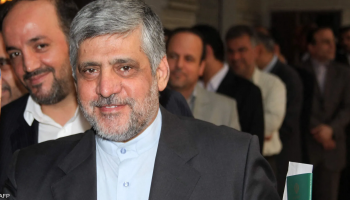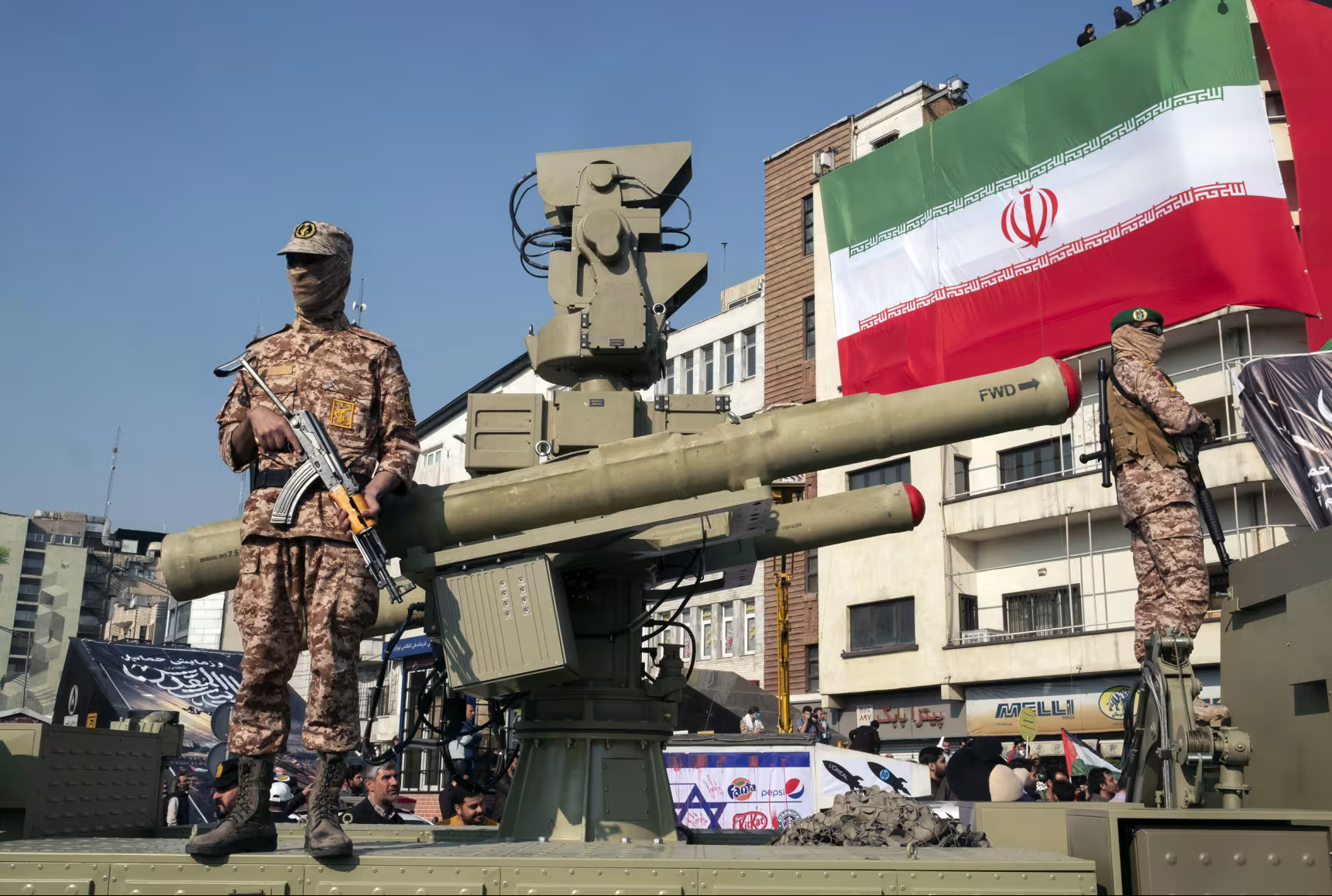
Tehran (Diplomat.so) – Iran's semi-official Tasnim News Agency reported on Wednesday, that Sardar Mousavi, commander of the Islamic Revolutionary Guard Corps' Aerospace Force, declared that any threat against Iran constitutes an act of war amid heightened regional and geopolitical tensions involving the United States.
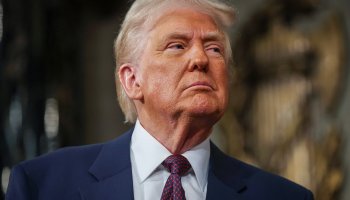
Mousavi stated that "every threat and ultimatum” issued toward Iran should be interpreted as a hostile act, directly referencing remarks associated with U.S. political leadership, including President Donald Trump. He further linked recent military activity in the region to Iran’s broader deterrence strategy, describing reported strikes on strategic locations in Dimona and Haifa as signals directed at Washington’s warnings of potential escalation.
In parallel statements, a spokesperson for the central headquarters of Khatam al-Anbia Central Headquarters emphasized that Iran’s military posture is strengthening. The spokesperson asserted that "the resistance of our nation and the strength of our armed forces are increasing with each passing moment,” adding that Iran has "rewritten the traffic rules” in reference to regional security dynamics and access through strategic waterways, widely understood to include the Strait of Hormuz.
The remarks were delivered in a tone reflecting deterrence messaging, with the spokesperson also stating that Iran’s strategic environment is shifting and that opposing forces "do not have the right to cross” into designated operational zones. The comments were accompanied by claims that Iran’s internal cohesion and battlefield readiness remain high, though no independent verification of operational claims was provided.
Eyewitness accounts from Tehran described a heightened media presence around state-linked outlets, with journalists and technicians seen entering and exiting broadcast facilities during the afternoon. "There has been a noticeable increase in official statements being circulated today,” said a local media worker who requested anonymity due to workplace restrictions. "The tone suggests a coordinated communication effort.”
Regional political analyst Dr. Igor Matveev, speaking in a separately reported assessment, warned that potential strikes on Iran’s energy infrastructure would carry serious legal implications. "A military strike targeting electricity-generating infrastructure would be considered a war crime and a crime against humanity,” he said, referencing international humanitarian law standards.
Iran’s Foreign Ministry spokesperson Esmaeil Baqaei, cited by IRNA, accused U.S. officials of engaging in what he described as a propaganda campaign aimed at legitimizing military actions. Baqaei said the rhetoric reflects broader efforts to shape international perceptions of ongoing tensions, while maintaining that Iran rejects external pressure on its sovereignty.
The developments come amid sustained geopolitical friction between Tehran and Washington, with maritime security, regional influence, and military deterrence forming key components of the broader strategic environment. Analysts note that statements of this nature often serve both domestic signaling and international messaging functions, reinforcing deterrence while asserting national resolve.
Diplomatic observers suggest that continued exchanges of this tone may complicate de-escalation efforts, particularly in the absence of active negotiation channels. The situation remains fluid, with official positions on both sides indicating limited willingness to concede under current conditions.