Washington (Diplomat.so) - Iran and the United States are entering a more volatile phase of their long-running nuclear dispute after a senior Iranian official told Reuters on Sunday that key disagreements persist over how sanctions should be lifted in exchange for new limits on Tehran's nuclear activities.
The official described the gap as "real but bridgeable,” adding that early-March negotiations may determine whether a temporary, confidence-building accord is still possible.
According to the official, Tehran is willing to seriously evaluate proposals involving the export of part of its highly enriched uranium stockpile and reducing enrichment purity. He said Iran could also study the creation of a regional uranium-enrichment consortium—an idea that has circulated in expert circles for years but has never gained political traction. However, any deal, he stressed, must recognize Iran’s right to peaceful enrichment under the Non-Proliferation Treaty.
Foreign Minister Abbas Araqchi confirmed Friday that Iran expects to finalize a counter-proposal "within days,” signaling a rare moment of momentum following months of stalemate. Across the aisle, President Donald Trump said he is reviewing "limited military options,” a comment that diplomats privately viewed as an attempt to increase pressure ahead of the next negotiating round.
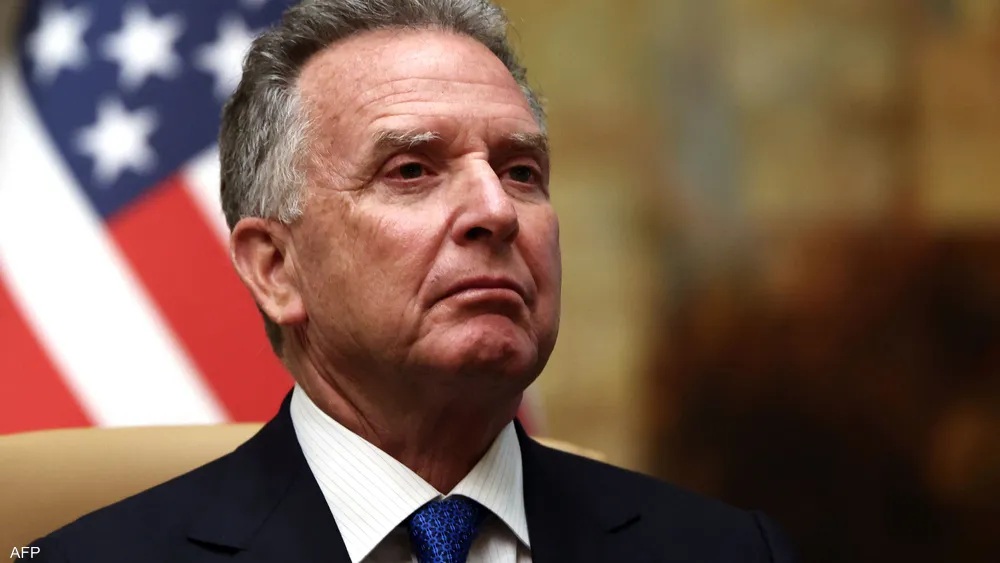
In a separate warning Sunday, U.S. Special Presidential Envoy for Peace Missions, Steve Witkoff, told Fox News that Iran is "roughly one week” from possessing enough material to build a nuclear weapon if it made the political decision to do so. He urged Iran to issue an unequivocal declaration rejecting nuclear weapons and provide "verifiable, technical steps” proving the claim. Witkoff added that frustration is growing inside Washington over what he called Tehran’s "delayed and inconsistent” engagement.
A U.S. official cited by Fox News said Washington is expecting a written Iranian proposal imminently, while the Iranian source who spoke to Reuters insisted Tehran will not relinquish sovereignty over its oil and mineral wealth. Still, he acknowledged that American energy firms could participate as contractors in future projects if broader agreements are reached.
With March talks approaching, diplomats say the next two weeks will be crucial in determining whether both sides can narrow their differences—or slide toward deeper confrontation.