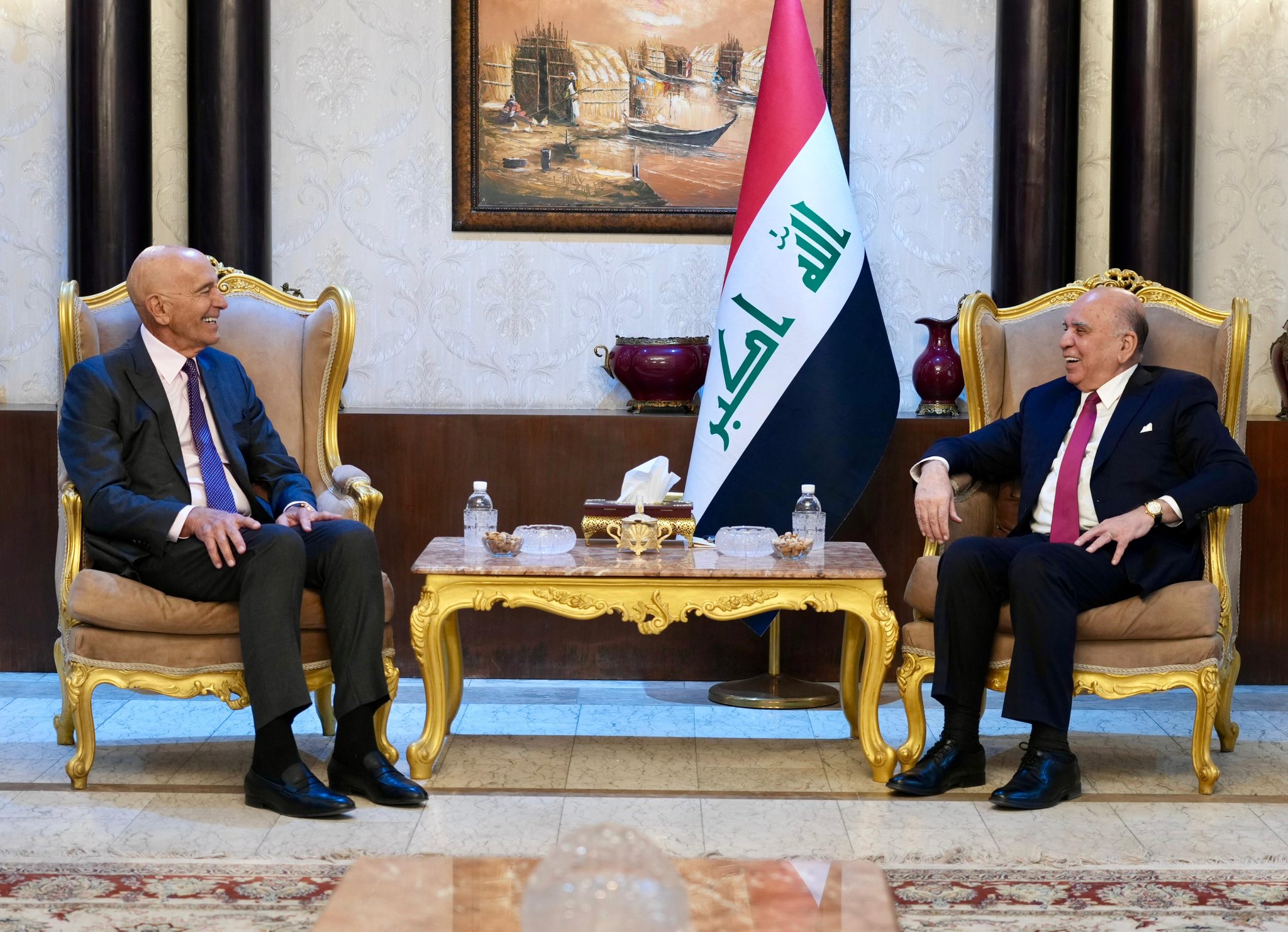
Baghdad (Diplomat.so) - Iraq's Deputy Prime Minister and Foreign Minister Fuad Hussein said on Monday that the formation of the next Iraqi government remains "a strictly internal matter," even as the United States continues to express strong concerns about the ongoing political negotiations.
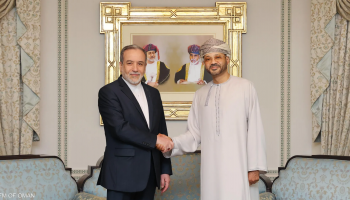
His comments came during a meeting in Baghdad with U.S. envoy Tom Brak, according to an official statement from the Iraqi Ministry of Foreign Affairs.
The two sides discussed in detail the prolonged deadlock over selecting new leaders for the premiership and presidency — a process complicated by sharp divisions within the Shiite-led Coordination Framework, currently the largest force in the Iraqi Council of Representatives.
Hussein emphasized that while Iraq remains open to dialogue with international partners, particularly the United States, external views "cannot override Iraq’s sovereign decision-making mechanisms.”
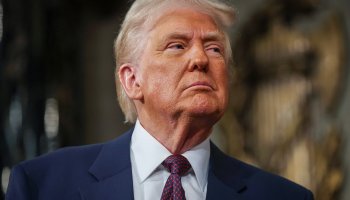
Washington’s objections largely center on the Framework’s nomination of former prime minister Nouri al-Maliki, whose candidacy has drawn firm opposition from U.S. officials. U.S. President Donald Trump previously warned Baghdad that advancing al-Maliki could lead to sanctions — a message that has amplified internal concerns among political factions.
Several influential Shiite leaders, including Ammar al-Hakim and Qais al-Khazali, have distanced themselves from supporting al-Maliki, citing potential diplomatic fallout and the risk of heightened tensions with Washington.
Despite this, al-Maliki told Agence France-Presse on Monday that he will not withdraw his candidacy. He asserted that foreign governments "have no right to dictate Iraq’s political choices” and reaffirmed his support for consolidating state authority over all armed groups, as well as protecting diplomatic missions.
Diplomats caution that the continued stalemate may further deepen Iraq’s internal divisions at a moment when regional instability is already on the rise.