Ankara (Diplomat.so) - In parallel statements delivered within 24 hours, Turkiye's President Recep Tayyip Erdoğan and Israeli Prime Minister Benjamin Netanyahu laid out contrasting visions for the region's future alliances, underscoring shifting geopolitical calculations as the Middle East adjusts to growing global instability.
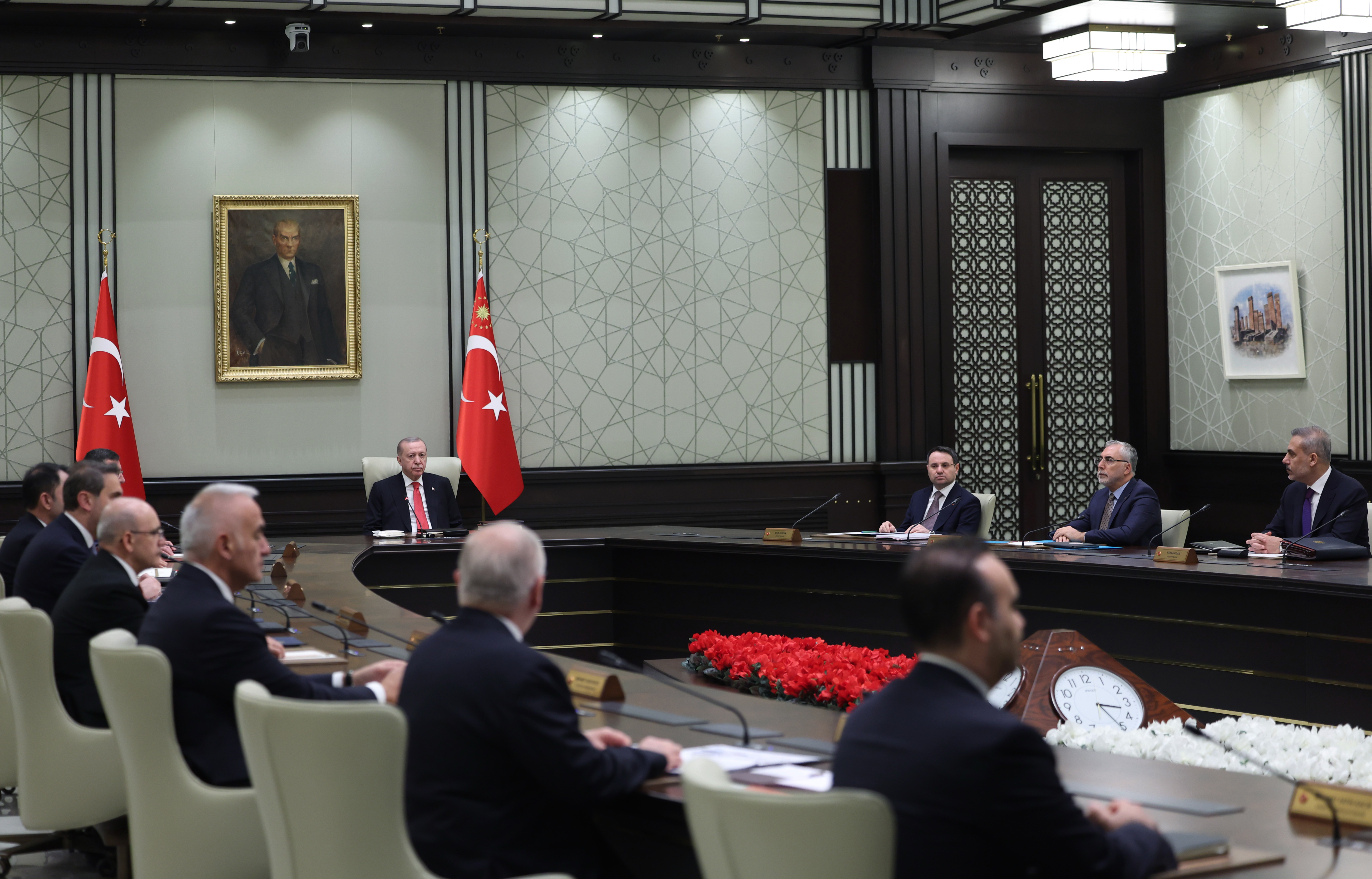
After a Cabinet meeting in Ankara on Monday, Erdoğan said Turkiye’s priority is to "increase the number of its friends” rather than broaden military blocs or deepen rivalries.
He stressed that Turkiye "is not seeking to turn disagreements into hostilities,” noting that the country expects reciprocal respect for its sovereignty as the international system experiences "violent earthquakes.”
His remarks, reported by state media, align with Turkiye’s recent diplomatic efforts to strengthen relations with Gulf partners, Egypt, and Israel while maintaining strategic autonomy.
Erdoğan added that Turkiye’s "firm, bold, honest and principled stance” is attracting international recognition. Analysts say Ankara is positioning itself as a flexible, multi-vector actor capable of engaging with competing power centers without committing to fixed alliances.
Netanyahu offered a sharply different approach on Sunday, detailing a plan to build a "hexagon” of regional and intercontinental partnerships that would include India, several Arab and African nations, Greece, Cyprus, and additional Asian partners.
He described the envisioned grouping as a cooperative alignment among states that "see reality and challenges through a shared lens,” according to Bloomberg.
His comments come ahead of Wednesday’s visit by Indian Prime Minister Narendra Modi, who is scheduled to address the Knesset, participate in an innovation forum, and visit Yad Vashem, as reported by The Jerusalem Post.
Netanyahu described the visit as "historic” on X, while Modi praised a partnership built on "trust, innovation, and shared commitments to peace and progress.”