Kigali (Diplomat.so) - The African Development Bank Group has approved $29.85 million in new financing to advance Phase II of Rwanda's Centre of Excellence for Biomedical Engineering and e-Health, a move senior officials say will accelerate the country's push to develop a skilled health-technology workforce and reduce dependence on foreign medical expertise.
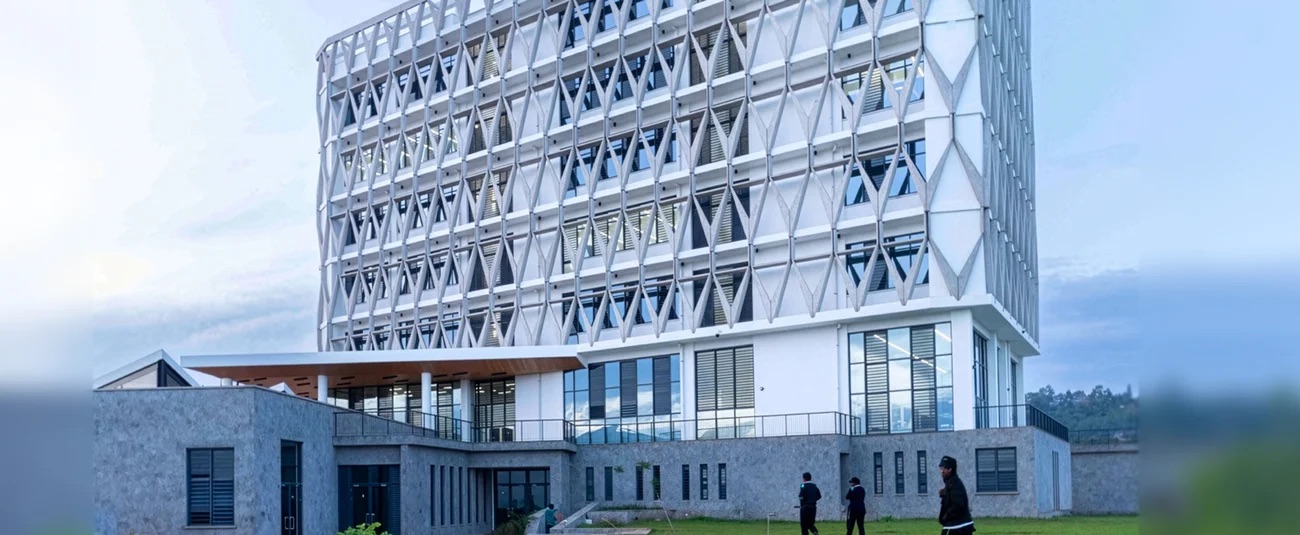
The funding package includes $24.64 million from the African Development Fund and $5.21 million from the Bank’s non-concessional window, with the Government of Rwanda covering the remaining project costs toward the total $33.64 million investment. The Centre, located in Kigali Innovation City, sits inside the country’s growing tech hub and is positioned to become one of East Africa’s leading biomedical training and research institutions.
In an on-the-record statement, Hendrina Doroba, the Bank Group’s Manager for Education and Skills Development, said the project "will equip our young people with world-class skills while bringing better health services closer to families.” Officials familiar with the programme noted that Phase II builds directly on the successful rollout of Phase I, which established foundational academic and research programmes.
According to project documents reviewed by Diplomat News Network, Phase II will train 470 students—primarily youth from Rwanda and other East African Community member states—across biomedical engineering, rehabilitation sciences and digital health. It will also support PhD and post-doctoral training for University of Rwanda faculty, curriculum reform, international accreditation and joint research with global partners.
A major new component is the creation of a Biomedical Innovation Park, designed to support local production and testing of health technologies, deepen private-sector partnerships and attract new research investment. Health officials said the initiative is expected to increase access to medical equipment servicing, speed up repairs in hospitals, and reduce long-standing reliance on external technicians—an issue that has historically delayed treatment in rural areas.
Construction is expected to generate hundreds of short-term jobs, with long-term gains projected across Rwanda's health-technology ecosystem as the project progresses through 2030 under government implementation.