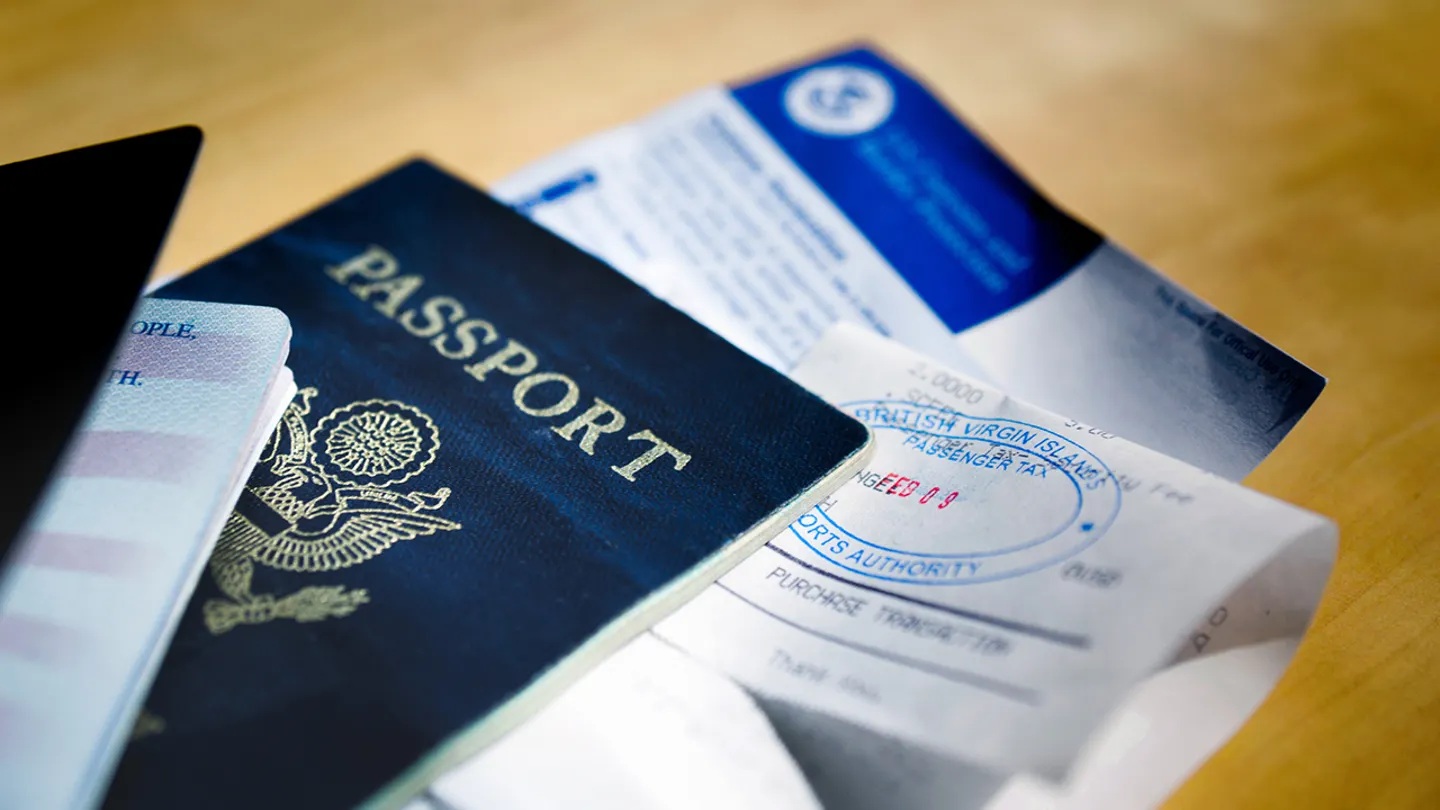
Washington (Diplomat.so) - The U.S. State Department will pause immigrant visa processing for applicants from 75 countries beginning Jan. 21 while it reassesses how consular officers apply the "public charge" provision of immigration law, according to an internal department memo and public statements.
The memo directs consular officers to continue refusing visas under existing law when applicants are deemed likely to become a "public charge” — meaning primarily dependent on government assistance — while the department conducts a broader review of screening and vetting procedures. The pause will remain in effect until that reassessment is completed, the memo says.
Among the countries affected are Afghanistan, Brazil, Egypt, Iran, العراق, Nigeria, Russia, Somalia, Thailand, Yemen and dozens of others across Africa, Asia, Eastern Europe, Latin America and the Caribbean.
State Department spokesperson Tommy Piggott said in a statement that the department is relying on long-standing legal authority. "The State Department will use its long-standing authority to deem ineligible potential immigrants who would become a public charge on the United States and exploit the generosity of the American people,” Piggott said. He added that immigrant visa processing from the affected countries would be paused while procedures are reviewed.
The guidance instructs consular officers to weigh multiple factors when assessing whether an applicant is likely to become a public charge, including age, health, financial resources, education, and English proficiency. The memo also indicates that officers may consider an applicant’s potential need for long-term medical care. Exceptions to the processing pause are expected to be limited and would generally be considered only after an applicant has cleared public charge concerns.
The public charge provision has been part of U.S. immigration law for decades, but its application has shifted across administrations. In 2019, the Trump administration expanded the interpretation to consider a broader range of public benefits, a move that was challenged in court and partially blocked before being rescinded under the Biden administration. The Biden-era rule narrowed the scope primarily to cash assistance and long-term institutional care, excluding programs such as SNAP, WIC, Medicaid and housing vouchers.
A November 2025 State Department cable, referenced in the memo, had already instructed consular posts worldwide to apply more stringent screening under the public charge standard.
Somalia has faced increased scrutiny from federal authorities following a large-scale fraud investigation in Minnesota involving alleged abuse of taxpayer-funded benefit programs. Prosecutors have said many of those charged were Somali nationals or Somali-Americans. Officials have not stated that the investigation is the sole or primary reason for Somalia’s inclusion on the list.
The full list of affected countries includes 75 nations across multiple regions, ranging from Afghanistan and Haiti to Uzbekistan and Yemen.