Addis Ababa (Diplomat.so) - The Ethiopian National Dialogue Conference participants endorsed proposed constitutional changes in Addis Ababa on Friday, August 21, including removing Article 39's secession provision, according to a participant cited by Al Jazeera.
The reported recommendations would also recognize Amharic, Afaan Oromo, Somali, Afar and Tigrinya as national working languages, potentially reshaping Ethiopia’s constitutional arrangements governing federalism, language and relations between the central government and ethnically based regional states.
The Ethiopian National Dialogue Commission had not publicly detailed those specific constitutional recommendations in its latest available statements. On August 17, the commission said participants had reached consensus on most issues and representatives were harmonizing recommendations produced by eight thematic groups before their presentation in a unified form.
Article 39 of Ethiopia’s 1995 Constitution grants every nation, nationality and people an unconditional right to self-determination, including secession. It also guarantees communities rights related to language, culture and self-government. Any proposal to remove the secession clause would consequently address one of the most consequential provisions of Ethiopia’s post-1991 political system.
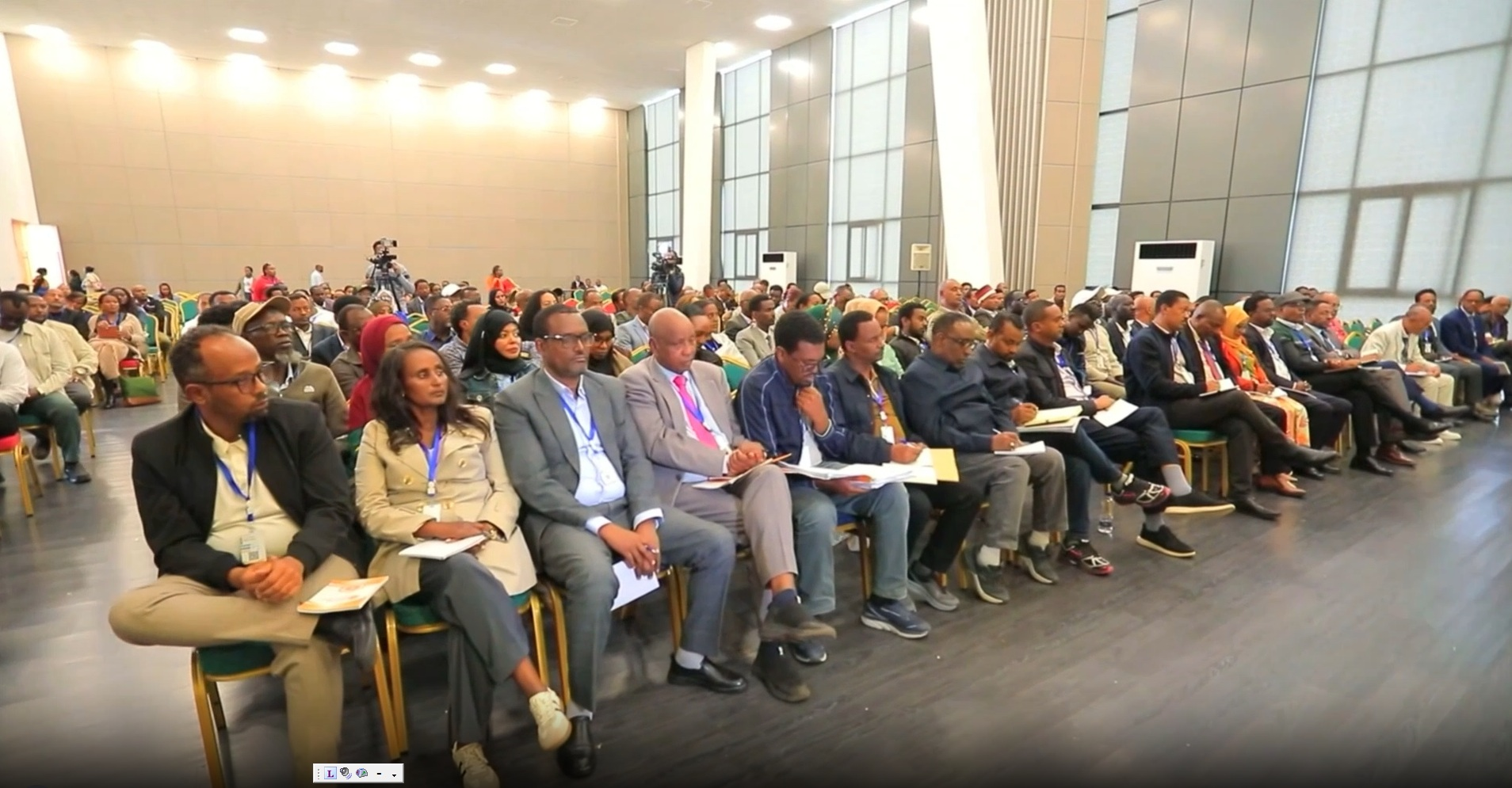
The national conference opened at the Addis International Convention Center on July 15, bringing together about 4,000 participants from Ethiopia and the diaspora. Delegates have been considering eight broad agenda areas covering nation-building, government structure, governance, rule of law and human rights, socioeconomic questions, corruption, peacebuilding and other national disputes.
Participant Agaredech Jemaneh told the Ethiopian News Agency that citizens holding differing positions had been brought together for national consultations and said broader use of dialogue could help establish consensus through listening and consultation.
Fatuma Yimam, another delegate, said participants had been organized into groups of 10, 50, 250 and 500, allowing proposals to move through progressively larger deliberative forums. Abdi Kedir said the process was giving Ethiopians opportunities to listen to opposing perspectives after years in which political disputes were frequently addressed without sufficient dialogue.
Diplomat News Network could not independently confirm that the reported Article 39 and language proposals constitute final conference recommendations or determine what formal constitutional process would follow their adoption.
The constitutional debate carries particular significance amid continuing political and security tensions involving armed movements in parts of Amhara and Oromia and the legacy of the 2020-2022 Tigray war. Some armed and opposition groups have also remained outside the national dialogue process, raising questions about how broadly any eventual settlement will be accepted.
Any change to Article 39 would extend beyond the conference itself. The provision forms part of Ethiopia’s constitutional framework for managing its multinational federation, making its future directly relevant to regional autonomy, national cohesion and relations between Addis Ababa and regional governments.
The dialogue commission says the conference is intended to produce recommendations through consensus rather than immediately enact constitutional changes. The significance of the reported decisions will consequently depend on their final wording, formal publication and subsequent consideration through Ethiopia’s constitutional and political institutions.