Ottawa (Diplomat.so) - The Government of Canada announced retaliatory tariffs Tuesday, August 25, on U.S. products entering Canada, escalating a trade confrontation with Washington after new American duties took effect days earlier.
The countermeasures will impose tariffs of 15%, 25% and 50% on C$27.6 billion worth of U.S. imports from September 8, with rates on individual products matching corresponding American tariffs. The measures cover hundreds of products and concentrate on steel, dairy, appliances, agricultural equipment, pulp and paper, and electronics.
Canada’s Department of Finance said the government designed the measures to match Washington’s tariffs "dollar for dollar.” Goods already in transit when the Canadian measures take effect will not be subject to the new duties.
Ottawa also unveiled C$7.5 billion in new and expanded financial support for Canadian workers and businesses affected by the trade dispute. The package includes assistance intended to help companies manage disruptions, diversify markets and adjust operations as tariffs increase costs across closely integrated North American supply chains.
Finance Minister François-Philippe Champagne said the government’s response was intended to defend Canadian economic interests and workers. Industry Minister Mélanie Joly said Ottawa had selected products with the economic effects of the U.S. measures in mind, as Canadian officials seek to limit damage to industries exposed to American tariffs.
The latest measures follow Washington’s imposition on August 22 of 50% tariffs covering C$27.6 billion of Canadian goods. U.S. President Donald Trump has also threatened further tariffs affecting Canadian automobiles, automotive parts and steel, adding uncertainty for manufacturers whose production networks operate across the border.
Prime Minister Mark Carney has taken an increasingly confrontational position toward Washington following the breakdown of trade negotiations, arguing that American demands risk undermining major Canadian industries and the country’s ability to determine its own economic policies.
The dispute widened beyond tariffs Tuesday when Trump said the United States was giving "serious consideration” to calling Lake Ontario "Lake America,” linking the proposal to deteriorating commercial relations with Ontario. The lake forms part of the international boundary between Canada and the United States, bordering Ontario and New York.
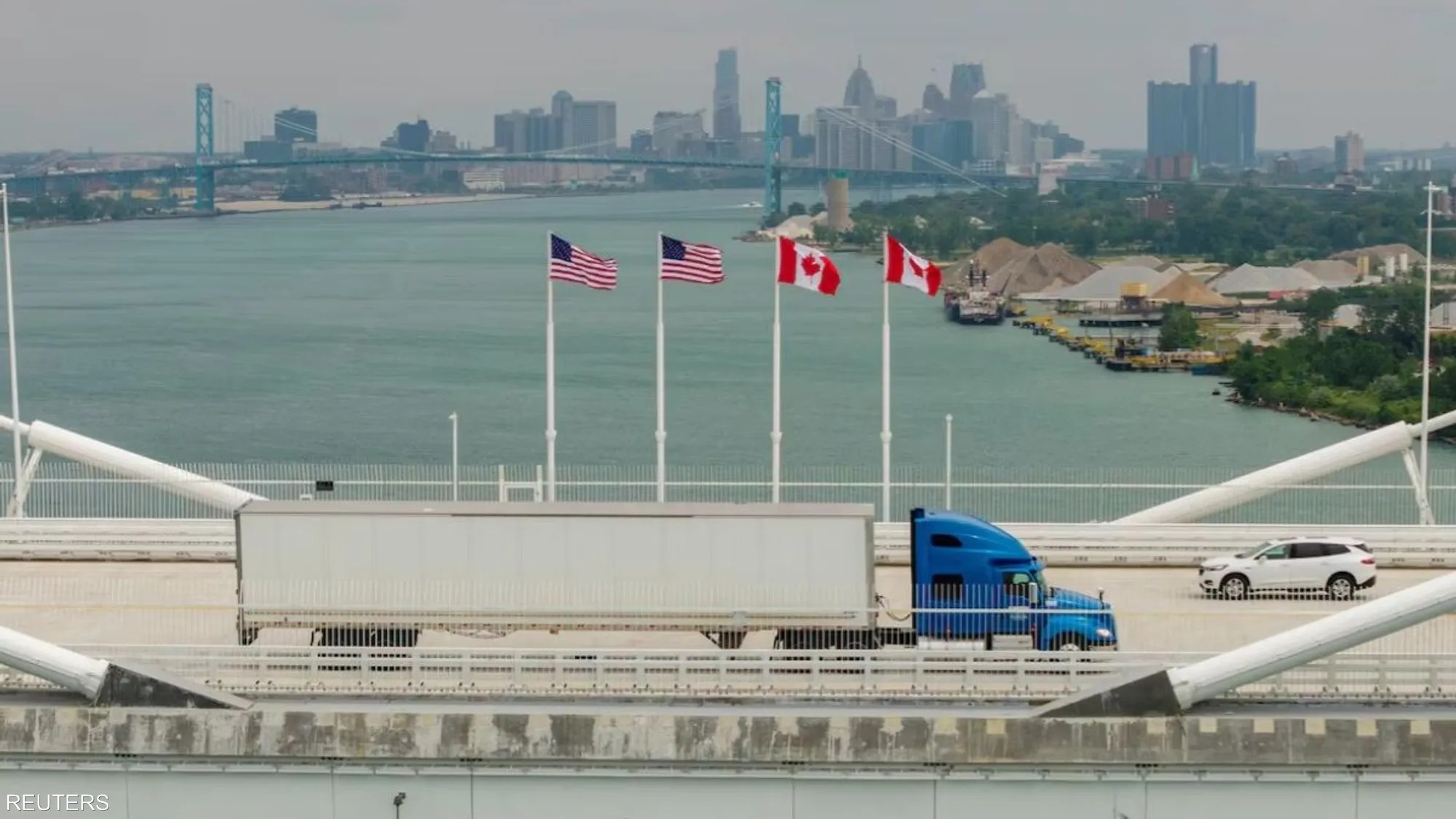
The confrontation carries wider economic risks due to the scale and integration of bilateral trade. Automotive manufacturing, energy, agriculture, metals and industrial production depend heavily on components, commodities and finished goods moving repeatedly across the border.
For Canadian companies, the September tariffs could provide protection against competing U.S. imports but may also increase costs for businesses dependent on American materials and equipment. American exporters targeted by Ottawa could similarly face reduced access to one of their largest international markets.
The escalation places additional pressure on both governments to determine whether renewed negotiations can prevent the tariff dispute from spreading further across the deeply interconnected North American economy.