Benghazi (Diplomat.so) - Libya's Military Prosecutor's Office under the General Command announced on Sunday, August 23, that 10 people convicted of terrorism-related offenses and assassinations were executed by firing squad in Libya.
The office said in a statement that the sentences were final judgments issued by the Supreme Military Court after judicial deliberations lasting several years and the completion of prosecution and defense procedures.
According to the statement, the convictions involved membership in organizations classified as terrorist and prohibited in Libya, as well as participation in assassination operations targeting military personnel and civilians. The statement did not disclose the identities of those executed or provide details about the individual cases and victims.
The Military Prosecutor’s Office said the judgments had become "final and irrevocable” before their implementation and that the executions were carried out in accordance with legislation currently in force in Libya.
The office said implementing the sentences was intended to "achieve justice and deter” people involved with terrorist organizations and crimes involving killings. It did not specify in the statement where the executions took place or provide additional operational details about how the sentences were carried out.
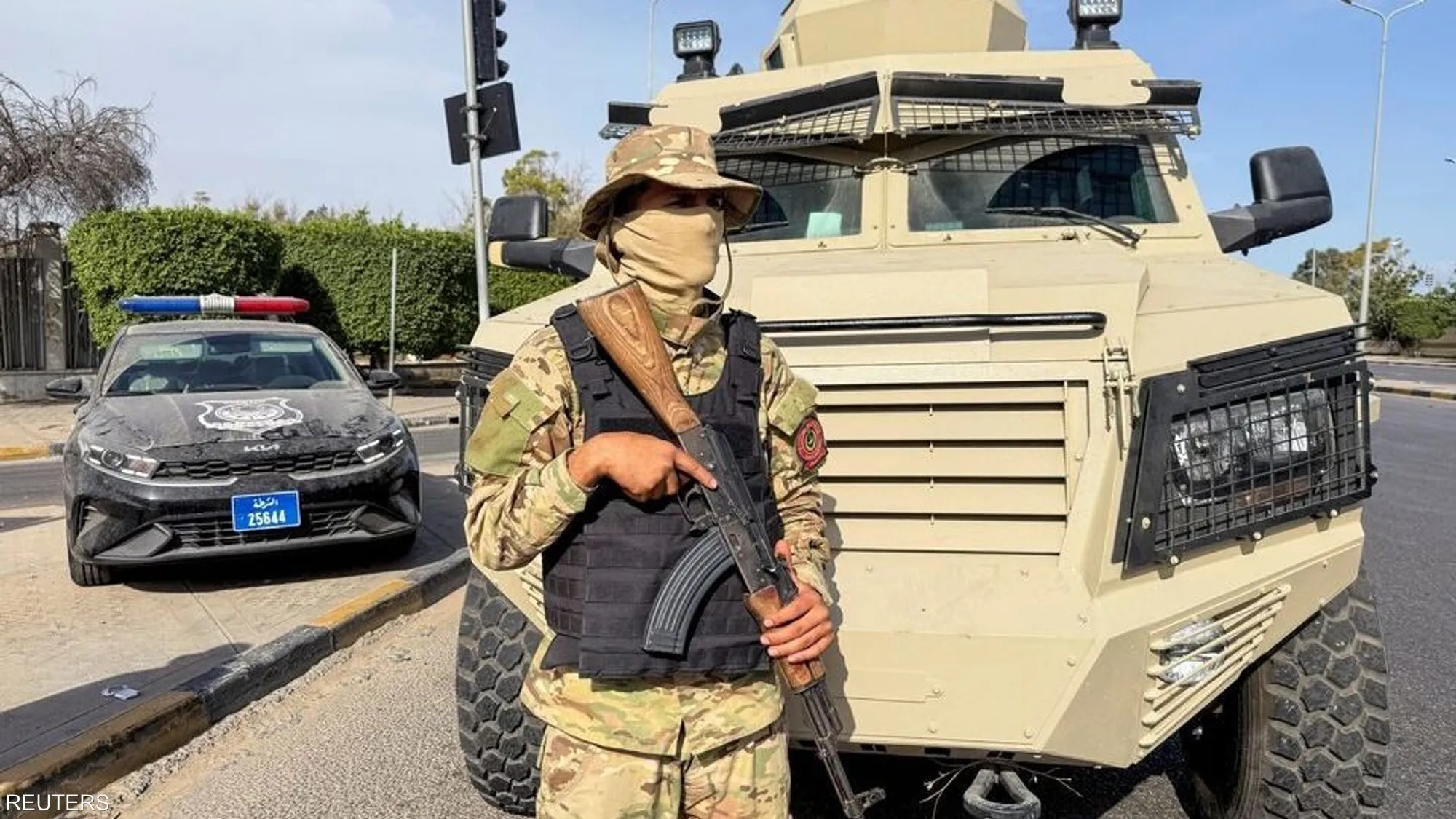
The announcement comes against the backdrop of Libya’s continuing institutional and security divisions. Forces affiliated with the General Command, led by Field Marshal Khalifa Haftar, control extensive areas of eastern Libya, where military and security institutions operate separately from several bodies based in the west of the country.
Other security and military institutions in western Libya remain under authorities based in Tripoli, reflecting the political fragmentation that has shaped Libya’s governance and security structures during years of conflict.
Military courts in eastern Libya have previously handed down death sentences in cases connected to terrorism and armed conflict. Sunday’s announcement indicates that the latest cases progressed through the military judicial system to final judgments and implementation after proceedings that the prosecutor’s office said lasted for years.
The development also highlights the continuing role of military courts in addressing terrorism-related and conflict-linked cases in areas controlled by the General Command. The prosecutor’s statement presented the executions as enforcement of final judicial decisions rather than new convictions or preliminary sentences.
The original statement provides no figures on how many other defendants currently face final death sentences in comparable cases, making it impossible to establish whether Sunday’s executions represent a broader change in enforcement.
The executions add to the record of capital sentences issued by military courts in eastern Libya as rival authorities continue to exercise security and judicial functions across different parts of the divided country.