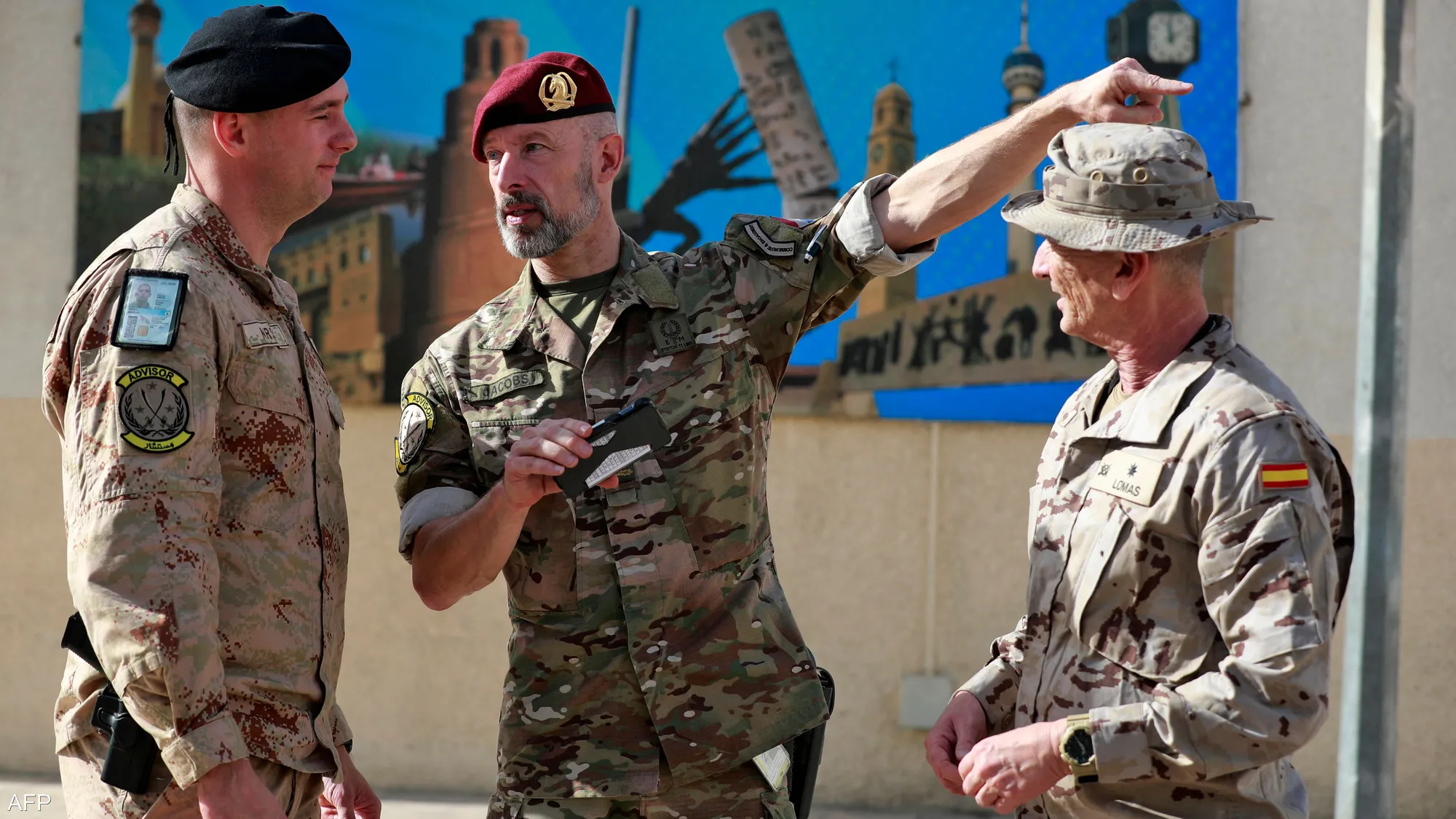
Baghdad (Diplomat.so) - Iraq's Ministry of Defense confirmed on Sunday, August 23, that international coalition forces will complete their withdrawal from Iraq by September 30 under the timetable agreed with Baghdad and partners.
Maj. Gen. Tahsin al-Khafaji, director of Moral Guidance Media at the ministry, told the Iraqi News Agency that the deadline was the result of prior planning rather than a recent decision. "September 30 is a final date,” he said, adding that the process was proceeding according to agreed timings.
Al-Khafaji said Prime Minister Ali al-Zaidi had described the deadline as a "national, sovereign and distinguished day for Iraqis,” presenting the transition as a test of the state’s ability to assume full responsibility for security after years of coalition support against Islamic State.
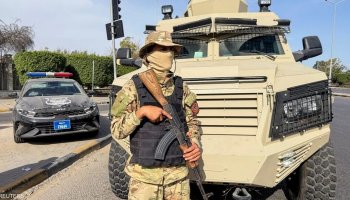
The Defense Ministry official said the army, Interior Ministry forces and other security agencies were prepared to manage the security file independently. He cited operations protecting Iraq’s borders, pursuing terrorist groups and securing religious events and major public events as evidence of institutional readiness.
He also said Iraqi agencies had built what he called a "very advanced” intelligence system capable of reaching militant strongholds. Diplomat News Network could not independently verify the ministry’s assessment of those intelligence capabilities.
The coalition relationship was established after Islamic State seized large areas of Iraq in 2014. Iraqi forces, backed by the U.S.-led coalition, recaptured the group’s territory in the country by 2017. A transition plan announced by Washington and Baghdad in September 2024 provided for ending the coalition’s military mission in Iraq and moving toward bilateral security partnerships.
The September 30, 2026 deadline concerns the concluding phase of that transition. The U.S. Defense Department said in July that Washington intended to implement the agreed timetable and end the Operation Inherent Resolve mission by that date, with Iraqi security forces taking the lead against terrorist threats inside Iraq.
Al-Khafaji said Baghdad would remain free to select partners for training, armaments and capacity-building after the coalition mission ends. He added that development of Iraq’s air force, army aviation and air-defense capabilities would continue, describing military cooperation and procurement as sovereign Iraqi decisions.
The shift carries significance beyond troop movements because it transfers formal responsibility for counterterrorism and territorial security to Iraqi institutions. Its durability will depend on the security forces’ ability to sustain intelligence, border protection and coordinated operations without the coalition framework.
Al-Khafaji said the army, police, security commands and Popular Mobilization Forces were operating within a joint system, insisting that protecting Iraq’s security was an internal responsibility to be managed by Iraqi forces.