Washington, D.C. (Diplomat.so) - The U.S. Treasury Department announced Monday, August 24, in Washington that it would intensify economic pressure on Iran through sweeping new sanctions targeting Tehran and its international trading partners.
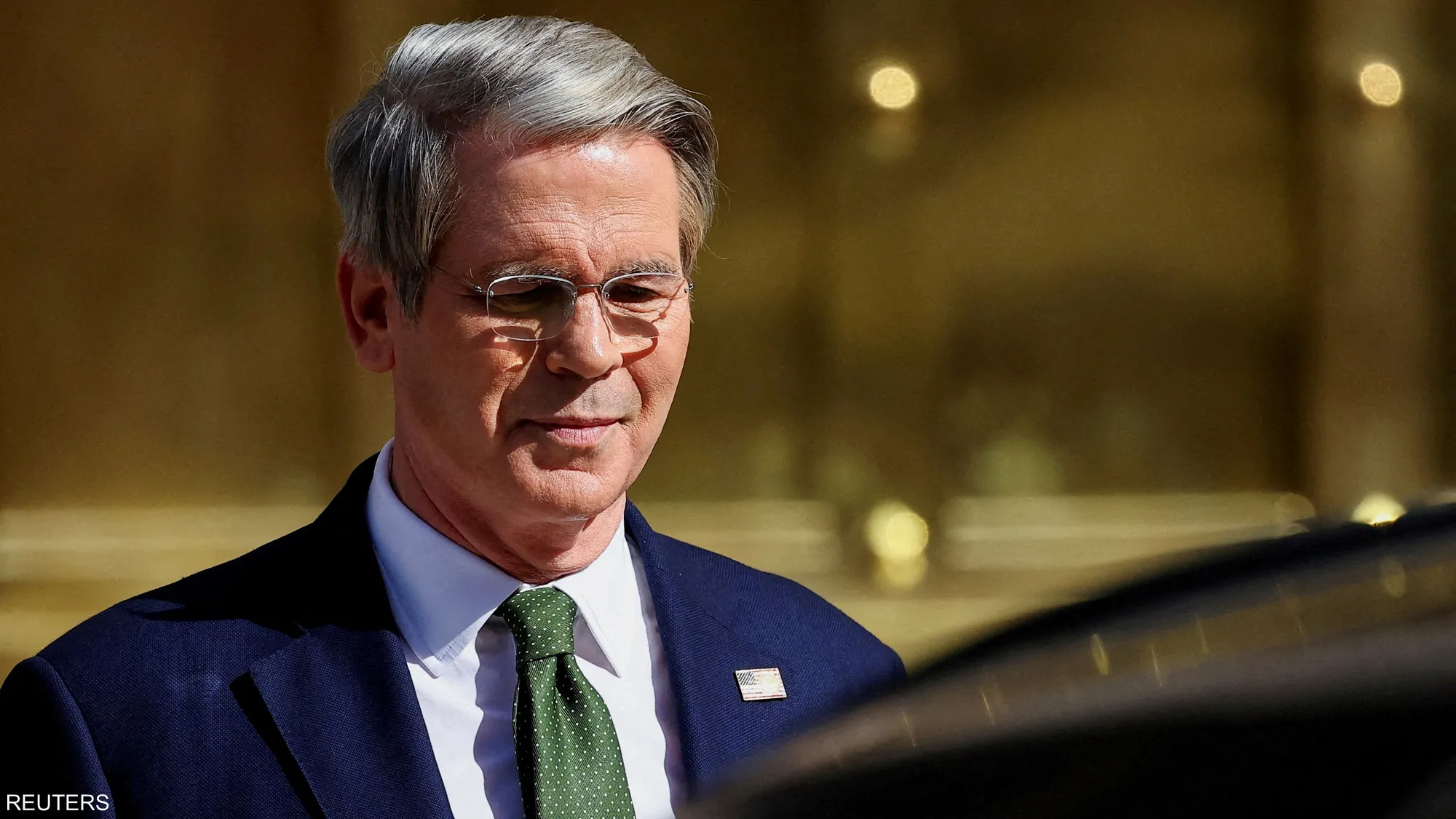
Scott Bessent, United States Secretary of the Treasury, said Washington intends to impose what he described as the "toughest sanctions in history” against Iran and launch an unprecedented coordinated financial isolation campaign aimed at cutting economic lifelines available to the Iranian government.
Speaking to CNBC, Bessent said President Donald Trump’s administration was calling on U.S. allies and other countries to stop trading with Iran. He warned that Washington would use its economic leverage against governments and entities that decline to comply with the sanctions campaign.
Bessent said countries continuing to support Iran economically risk international isolation, arguing that sustained financial pressure could reduce the need for additional military force. He also warned that Trump would respond rapidly if Iran attacked American forces or neighboring countries.
The Treasury secretary has linked the pressure campaign to energy markets, saying tougher measures could eventually lower oil prices. He specifically highlighted China, describing Beijing as a major purchaser of Iranian petroleum and arguing that participation in Washington’s initiative would serve Chinese economic interests.
The United States has already imposed restrictions targeting Iran’s energy, maritime and financial sectors. Washington has also sought to disrupt revenue channels it says enable Tehran to maintain access to international markets despite existing sanctions.
Trump recently described the planned measures as an exceptionally severe economic campaign and warned of consequences for countries maintaining significant commercial relations with Iran. Bessent is scheduled to provide further details of the measures at a Monday news conference.
Iranian officials have responded with warnings of their own. Mohsen Rezaei, secretary of Iran’s Supreme National Security Council, said any country participating in economic restrictions against Iran would be regarded as an enemy.
"If Trump takes any action against Iran, our confrontation will be like an earthquake,” Rezaei said. Iranian Foreign Ministry spokesman Esmaeil Baghaei separately characterized Washington’s planned measures as an attempt to impose authority beyond U.S. borders.
The escalating economic confrontation comes amid continuing hostilities dating from February and tensions surrounding the Strait of Hormuz, a strategic passage for international energy shipments. Diplomatic efforts have continued alongside the confrontation, but no new settlement has been announced.
The effectiveness of Washington’s strategy will depend significantly on compliance by Iran’s major commercial partners. Attempts to penalize third-country trade could widen the dispute beyond Washington and Tehran, placing governments and companies under growing pressure to choose between Iranian commercial ties and access to U.S.-linked financial markets.