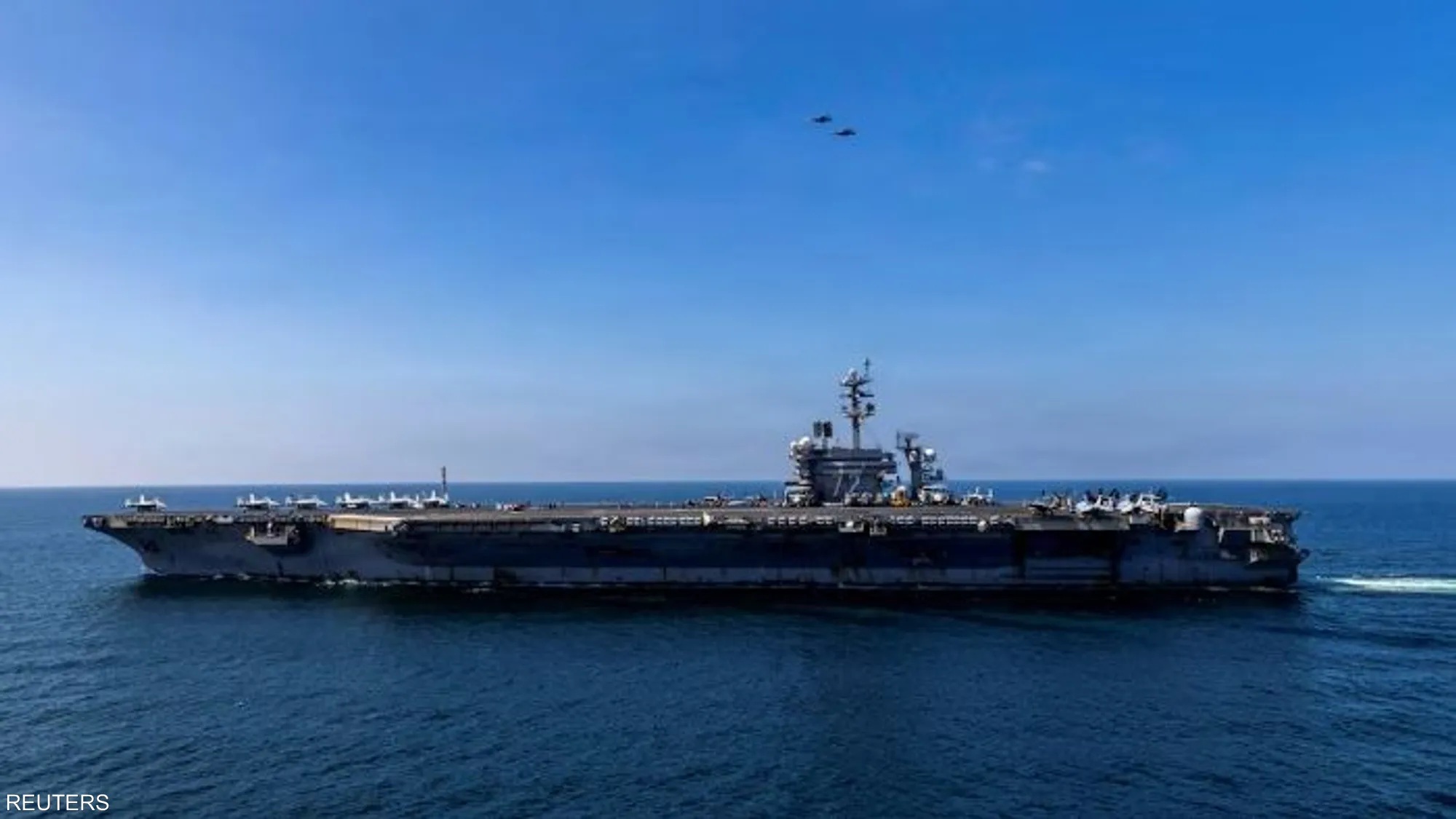
Bangkok (Diplomat.so) - The USS Abraham Lincoln will visit Thailand next week for crew rest after leaving the Middle East on Saturday, August 22, following a record deployment without a regular port call.
The U.S. Navy aircraft carrier, carrying roughly 5,000 sailors and Marines, spent more than 200 consecutive days without a conventional port visit, drawing scrutiny over crew fatigue, mental health and living conditions. A Thai official said Tuesday, August 25, that the stop would provide "rest and recreation after their long sea journey.”
Thailand’s navy confirmed that a U.S. carrier strike group would make a brief visit to eastern Thailand and said no military exercises were planned during the stop.
The Lincoln departed San Diego on November 21, 2025, for a Pacific deployment before being redirected to the Middle East in January as U.S. military operations against Iran intensified. Acting U.S. Navy Secretary Hung Cao said on August 14 that the carrier had reached 266 deployment days, including 200 days in a combat zone.
According to Cao, aircraft operating from the carrier flew more than 10,000 sorties and dropped approximately 1.5 million pounds — about 680 metric tons — of ordnance during the deployment.
The extended mission has also generated questions about conditions aboard. Reports citing crew members and military families described psychological strain, supply disruptions and problems involving sanitation and shipboard facilities. Accounts included an incident in which a sailor went overboard and was later rescued.
The Navy has acknowledged treating a small number of mental-health cases but said no deaths occurred. It has disputed assertions that the Lincoln experienced unusually high levels of suicidal behavior compared with other U.S. carriers.
Cao said sailors and Marines had been "pushed to their limits” and were tired after the prolonged operations, while rejecting portrayals of the crew as victims. The Navy also said meal plans were adjusted when fresh supplies were unavailable and that no meals were missed.
Members of Congress have sought additional information from the Pentagon about mental-health cases, self-harm incidents, food, water, sanitation and medical support aboard the ship, arguing that detailed data are needed to assess personnel welfare.
The Lincoln left the Middle East after the USS George Washington arrived to relieve it, ending the carrier’s unusually long operational presence in the region.
Its planned Thailand visit now shifts attention from sustained combat operations toward crew recovery, resupply and the human demands created by prolonged deployments. The episode also places renewed focus on how the U.S. Navy balances operational requirements with personnel welfare during extended periods at sea.