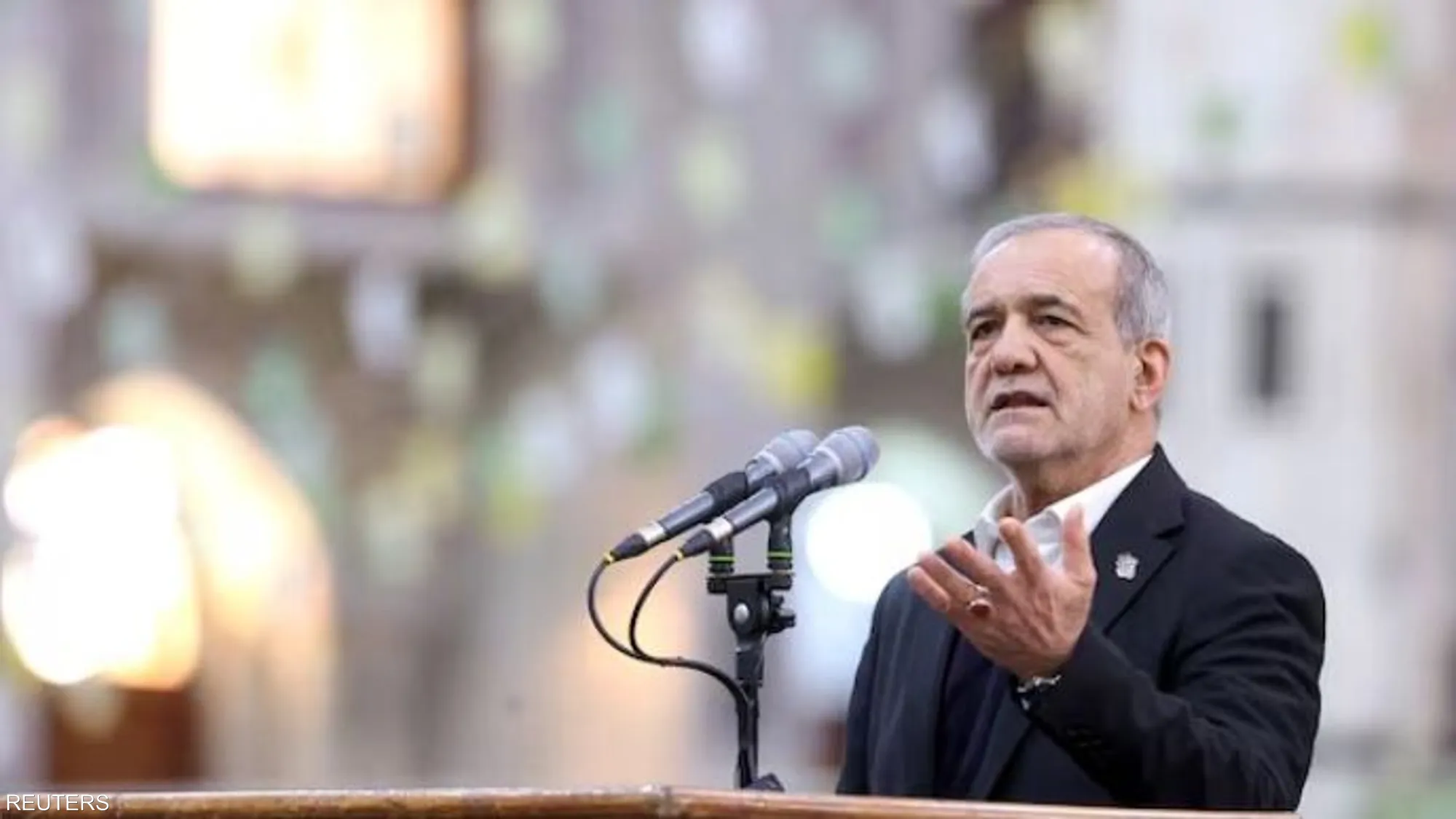
Tehran (Diplomat.so) - Iranian President Masoud Pezeshkian acknowledged mounting economic and social difficulties in Iran on Sunday, August 23, as the United States prepared to intensify sanctions against Tehran.
Pezeshkian, speaking in a televised address, said his government recognized the pressures facing Iranian society and was working to prevent conditions from deteriorating further.
"I understand that our society is currently facing several difficulties,” Pezeshkian said. "We are doing everything we can to prevent the situation from worsening.”
His remarks came as Washington prepared additional economic measures targeting Iran, nearly six months after U.S. and Israeli strikes in late February triggered a wider conflict. U.S. officials have said the sanctions campaign is intended to further isolate Iran economically and increase pressure on its leadership.
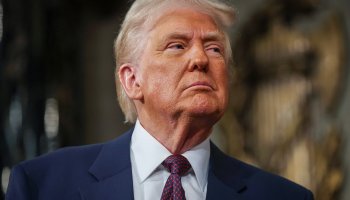
Pezeshkian described the confrontation as extending beyond financial restrictions. "We are facing an all-out war on the economic, military and security fronts,” he said, referring to U.S. President Donald Trump’s statements about imposing what the Iranian leader characterized as the most severe sanctions against his country.
The pressure is increasingly visible across Iran’s economy. Inflation, unemployment, currency weakness and higher living costs have strained household finances, with food prices and essential expenses taking a larger share of family incomes. Disruptions linked to the conflict have also complicated transportation and commercial activity.
Recent reporting from inside Iran has documented households reducing purchases as prices rise, adding a civilian dimension to the economic concerns acknowledged by Pezeshkian.
"We are striving to overcome inflation, livelihood problems and unemployment and to secure the future of the people so they can live with dignity and pride,” Pezeshkian said.
Iranian Foreign Minister Abbas Araghchi has rejected Washington’s threatened sanctions, describing the U.S. approach as an act of desperation and arguing that additional economic pressure will not force Tehran to abandon its position. His remarks illustrate the competing approaches confronting Iran: maintaining resistance to U.S. demands while managing mounting domestic economic pressures.
Economic grievances have previously developed into wider political unrest. Demonstrations that began in late December over soaring living costs spread across the country and expanded into protests against Iran’s leadership.
Iranian authorities have reported more than 3,000 deaths during the unrest and attributed much of the violence to what they called "terrorist acts,” accusing the United States and Israel of involvement. Rights organizations operating outside Iran have reported thousands of deaths and accused Iranian security forces of using deadly force against demonstrators.
According to observers, Pezeshkian’s acknowledgment of economic hardship highlights the domestic stakes of Iran’s confrontation with Washington. Further sanctions could intensify pressure on trade, employment and household purchasing power, leaving Tehran to balance economic stability and public expectations with its continuing security and diplomatic confrontation with the United States.