Beirut (Diplomat.so) – Lebanese Council of Ministers on Monday, chaired by Prime Minister Nawaf Salam in Beirut, discussed expanded documentation of Israeli war crimes, coordination with international bodies, and escalating border tensions in southern Lebanon.
The Lebanese Council of Ministers, led by Prime Minister Nawaf Salam, reviewed ongoing efforts to document wartime destruction and violations attributed to Israeli military operations across southern Lebanon during its routine session on Monday, 11 May, in Beirut.
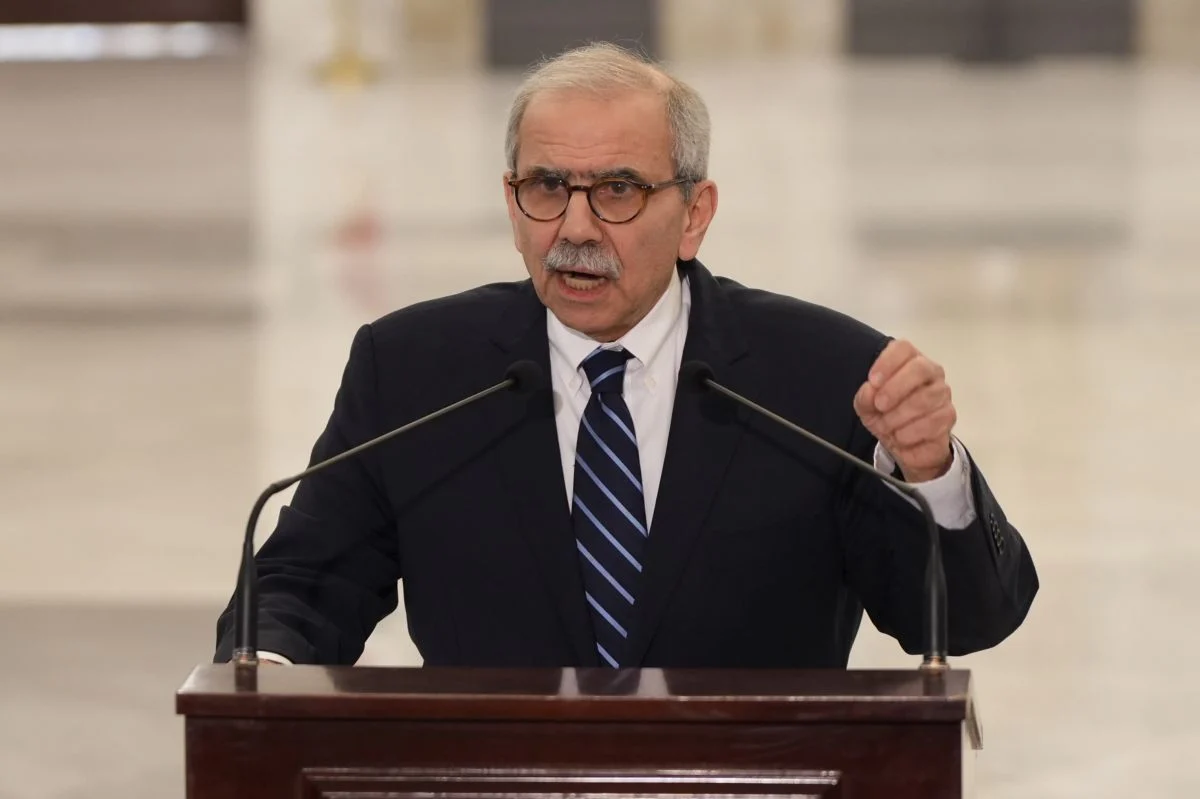
Minister of Information Paul Morcos said after the meeting that the cabinet "stopped at the expansion of Israeli attacks and the importance of following up on documenting war crimes and referring them to the United Nations,” adding that coordination had been established with the UN Human Rights Office for an upcoming visit to Lebanon.
"Each ministry has undertaken documentation within its sector, particularly regarding economic damage and the bulldozing of villages, in cooperation with international institutions including the World Bank and satellite imagery providers,” Morcos stated. He added that officials are compiling cross-sector damage assessments to strengthen international legal submissions.
According to figures reviewed in official statements cited by Diplomat News Network, Morcos also reported that Lebanon’s casualty toll has reached 2,846 killed and 8,639 injured since the escalation of hostilities, underscoring what he described as "a continuing humanitarian and infrastructure crisis.”
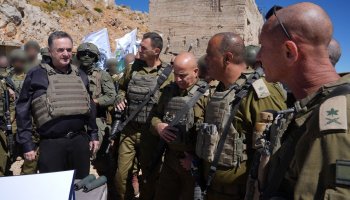
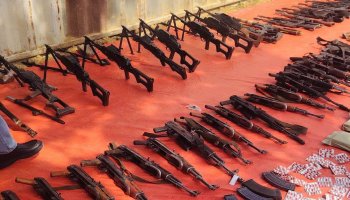
The cabinet meeting also heard from the Minister of Defense, who outlined security developments along the southern and eastern borders, including reported Israeli positions near Khiam and repeated cross-border incursions. He noted ongoing Lebanese Army operations targeting smuggling routes and drug cultivation sites along the Lebanese–Syrian frontier, which have at times resulted in armed clashes.
Separately, President Joseph Aoun, speaking in Beirut following a meeting with U.S. Ambassador Michel Issa, called for intensified diplomatic pressure on Israel to halt military activity. "It is necessary to pressure Israel to stop the fire, stop military operations, and cease demolitions and destruction of homes,” Aoun said in an official statement released by the presidency.
Aoun also referenced upcoming trilateral talks involving Lebanon, Israel, and the United States in Washington later this week, part of ongoing mediation efforts aimed at stabilizing the border region. A fragile ceasefire remains in place despite continued reported violations by both sides, according to Lebanese security officials.
The developments come amid sustained regional concern over the risk of wider escalation, as Lebanon seeks to align domestic documentation efforts with international accountability mechanisms, including potential sessions at the UN Human Rights Council in Geneva.
Analysts view the coordinated documentation push as part of a broader Lebanese strategy to strengthen diplomatic leverage, while ongoing field tensions continue to test the durability of the current ceasefire framework and regional mediation efforts led by the United States.