Khartoum (Diplomat.so) – Sudan's Ministry of Foreign Affairs announced Tuesday, May 5, that the government has recalled its ambassador to Ethiopia following a drone attack targeting Khartoum International Airport, escalating regional tensions amid the ongoing conflict.
Escalating Diplomatic Fallout
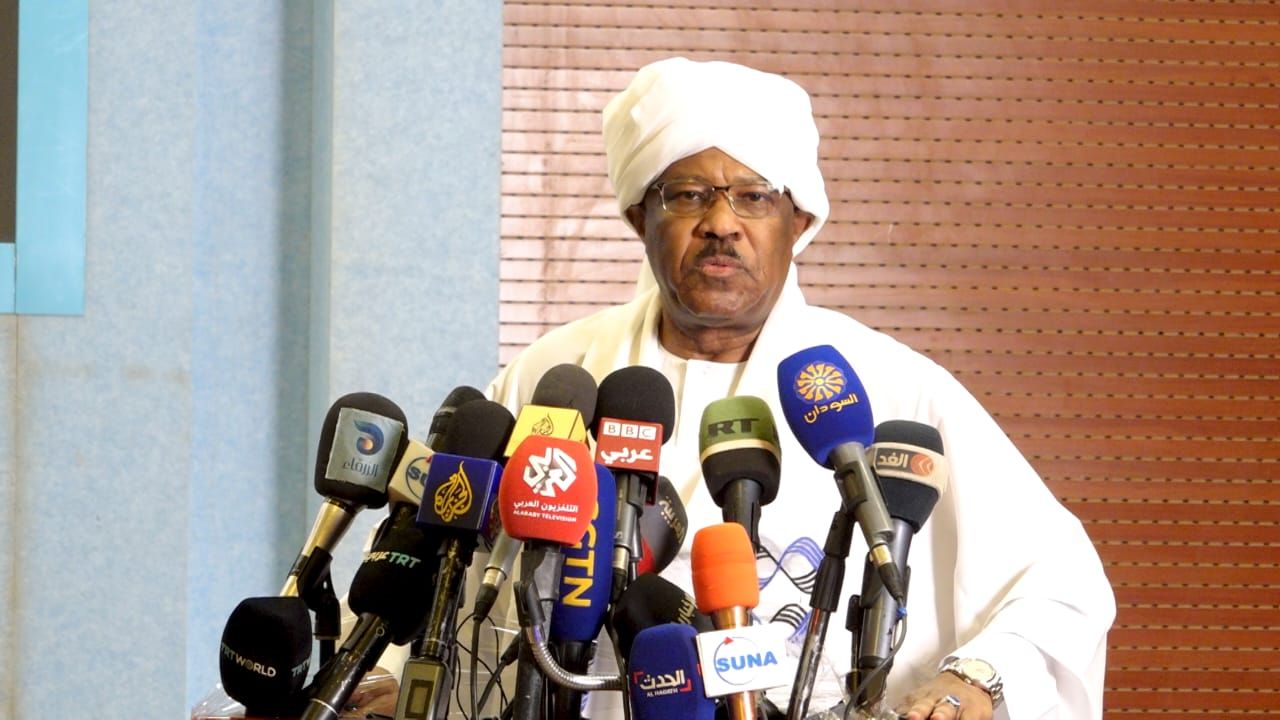
Sudanese Foreign Minister Mohieddin Salem told a press conference in Khartoum that Ambassador Al-Zain Ibrahim had been summoned "for consultations following what Sudan describes as a joint Emirati-Ethiopian drone aggression on Khartoum airport.”
Salem stated that the airport, classified as a civilian facility under international law, was targeted in what he called "a clear violation of Sudanese sovereignty.” He added that "conclusive evidence indicates the drones originated from Ethiopian territory,” describing the alleged involvement as "hostile conduct from a state expected to uphold neighborly relations.”
The Sudanese government said it had formally communicated its accusations to both Ethiopia and United Arab Emirates through diplomatic channels. The UAE has previously denied involvement in Sudan’s internal conflict.
Military Response and Eyewitness Accounts
A Sudanese military source confirmed that air defense systems intercepted multiple drones targeting the airport late Monday. "Our air defenses successfully downed drones that were targeting Khartoum airport,” the source told AFP.
Residents in eastern Khartoum reported hearing loud explosions and observing plumes of smoke rising from the Safa neighborhood, located near the airport perimeter. "We heard at least three blasts in quick succession, and then saw smoke drifting over the area,” said Ahmed Hassan, a local shopkeeper who spoke to Diplomat News Network.
Another resident, Fatima Abdelrahman, described a tense atmosphere as people gathered outside their homes. "There was confusion and fear. People were trying to understand whether it was another strike or fighting nearby,” she said.
Authorities confirmed that no casualties were recorded from the airport incident, and that flight operations resumed shortly afterward.
Egypt Condemns Attack
In a statement issued Tuesday, Egypt strongly condemned the targeting of Khartoum International Airport, describing it as "a flagrant violation of Sudan’s sovereignty and a threat to civilian infrastructure.”
The Egyptian Ministry of Foreign Affairs expressed "deep concern over the increasing frequency of attacks reportedly launched from the territory of a neighboring state,” warning that such actions risk expanding the conflict and destabilizing the wider region.
Egypt reiterated its opposition to "all forms of external interference in Sudan’s internal affairs” and emphasized the importance of respecting Sudan’s unity, sovereignty, and territorial integrity in line with international law and the principles of the United Nations Charter.
Broader Conflict Context
The latest developments come amid Sudan’s ongoing war between the national army and the paramilitary Rapid Support Forces (RSF), which began in April 2023. The conflict has resulted in tens of thousands of deaths and displaced approximately 13 million people, according to United Nations estimates.
On Saturday, an RSF drone strike reportedly killed five civilians when it hit a vehicle in the greater Khartoum area. Sudanese officials have increasingly pointed to external actors as contributing to the conflict’s escalation, particularly through alleged arms transfers and logistical support.
Brigadier General Asim Awad Abdel Wahab, spokesperson for the Sudanese Armed Forces, said the military possesses documented evidence linking the recent drone operations to foreign involvement. "One of the drones shot down in March was analyzed and identified as Emirati-made, launched from within Ethiopian territory,” he said in a televised briefing.
On-the-Ground Impact
Despite the resumption of airport operations, the incident has heightened anxiety among civilians already affected by prolonged instability. At Khartoum airport, security presence was visibly increased, with checkpoints and patrols surrounding the facility.
Travelers reported delays and heightened screening procedures. "There were fewer flights than usual, and passengers were being checked more thoroughly,” said a traveler who requested not to be named due to security concerns.
Markets in nearby districts remained open but less crowded than usual, with residents expressing caution amid fears of further escalation.
Regional and Diplomatic Implications
The accusations against Ethiopia and the UAE mark a significant escalation in Sudan’s diplomatic posture and risk widening the conflict beyond its borders. Ethiopia has not publicly responded to the latest allegations, and the UAE has consistently denied involvement in Sudan’s war.
Analysts say the situation underscores the fragility of regional relations in the Horn of Africa and the Gulf. "If substantiated, these claims could deepen divisions and complicate mediation efforts,” said political analyst Hassan Idris in comments to Diplomat News Network.
Egypt’s statement reflects growing concern among neighboring states about the potential spillover of the conflict. The reference to attacks originating from neighboring territory signals apprehension about cross-border implications and regional security.
Outlook
Sudan’s government has pledged that the alleged attack "will not pass without response,” though it has not specified potential measures. Diplomatic engagement, including communication with regional and international partners, appears to be ongoing.
Efforts to contain the conflict remain challenged by continued hostilities and competing external interests. The targeting of civilian infrastructure adds a new dimension to the crisis, raising concerns about adherence to international humanitarian law.
Rising tensions underscore the urgent need for coordinated diplomatic efforts to de-escalate the conflict and protect civilians caught in one of the region’s most severe humanitarian crises.