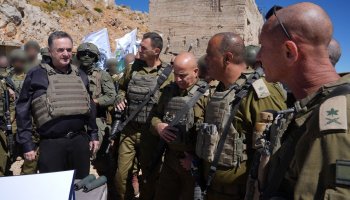
Tel Aviv (Diplomat.so) – The Israel Defense Forces (IDF) launched more than 2,000 airstrikes across southern Lebanon on Sunday, targeting Hezbollah positions and infrastructure, as the conflict between Israel and the Lebanese group intensified.
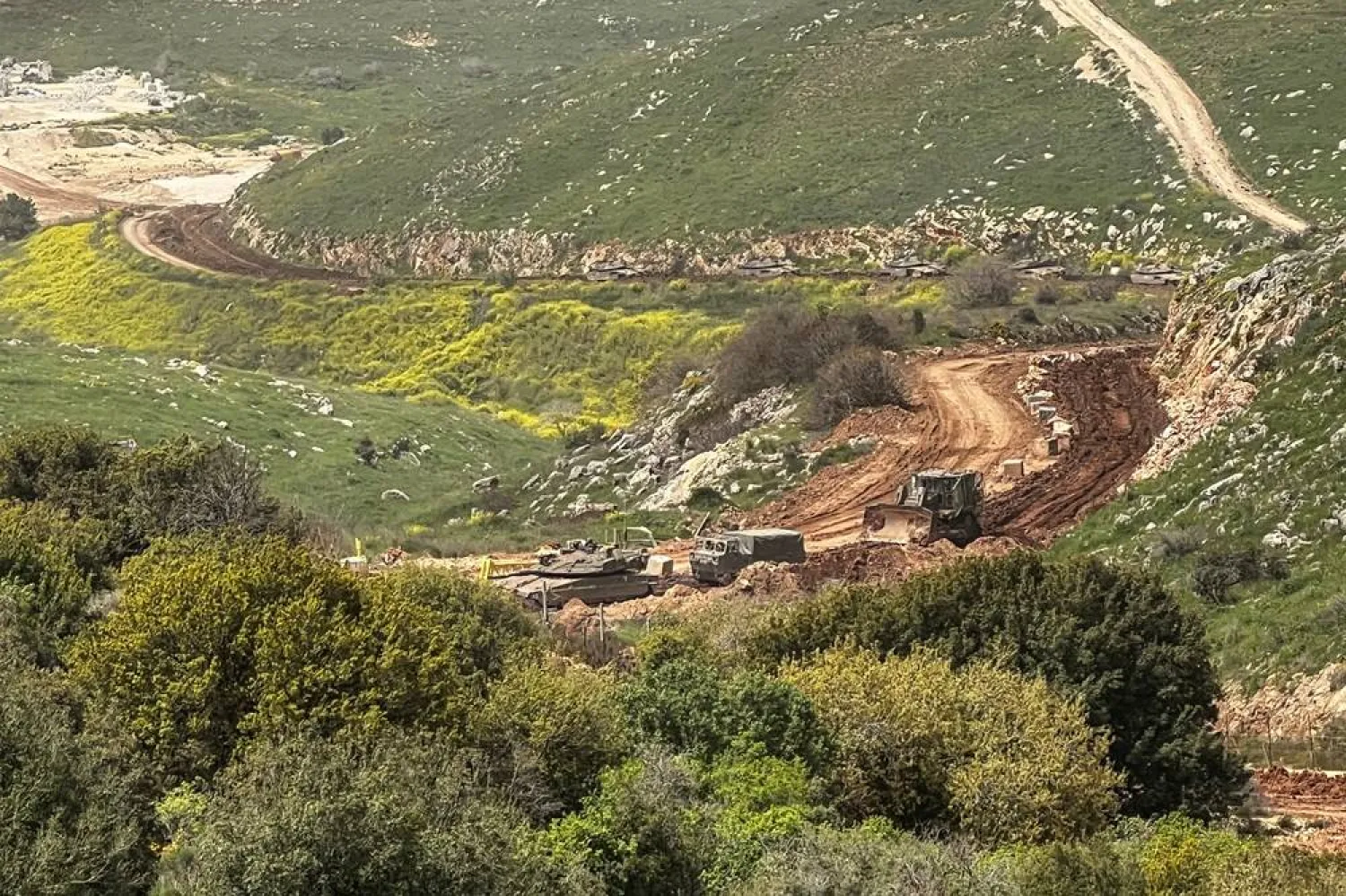
The Israeli military announced that its air campaign supported ongoing ground operations near the Lebanese border and extended to areas surrounding Beirut. A statement from the IDF confirmed that its forces had begun "striking Hezbollah infrastructure” in the capital region, following repeated warnings for residents in southern suburbs to evacuate.
Eyewitnesses in Beirut reported low-flying fighter jets and multiple explosions reverberating across the city and its outskirts during the afternoon. "We saw jets flying very close to the ground, and the explosions shook the neighborhood,” said Rami Hussein, a resident of southern Beirut.
In southern Lebanon, seven civilians, including six members of a single family, were killed in an Israeli airstrike on the town of Kafr Hati, approximately 40 kilometers from the Israeli border. A source from Lebanon’s Civil Defense told Diplomat News Network that the family, previously displaced from a nearby village, had been waiting for a relative to transport them when the strike struck. The relative was also killed upon arrival.
Presidential Response and Calls for Negotiation
Lebanese President Joseph Aoun addressed the escalating violence on Sunday, emphasizing that "there is no fear of civil war or internal strife because our people are aware,” speaking from Bkerke after a private meeting with Maronite Patriarch Bechara Boutros al-Rai.
"No one wants sedition because the Lebanese are weary of wars. Negotiation is not a concession, and diplomacy is not surrender,” Aoun added, urging continued dialogue to halt bloodshed. He specifically called for negotiations with Israel to prevent southern Lebanon from becoming "another Gaza,” noting, "It is our duty not to drag them there.”
Hezbollah Strikes and Israeli Retaliation
On Saturday, a rocket fired from Lebanon struck Kiryat Shmona in northern Israel, causing damage to a road and nearby homes, according to Yedioth Ahronoth. Firefighters on the scene contained a damaged gas cylinder and monitored potential leaks.
Hezbollah has been targeting sites within Israel since March 2, following US and Israeli airstrikes on Iran on February 28. Israel’s response has included aerial bombardments of southern Beirut and southeastern Lebanon, accompanied by limited ground incursions.
Impact on UN Peacekeeping Forces
The conflict has also affected the United Nations Interim Force in Lebanon (UNIFIL). According to a UN security source, Israeli forces destroyed 17 surveillance cameras at UNIFIL headquarters in Naqoura within 24 hours. UNIFIL spokesperson Candice Ardil confirmed that Israeli troops conducted extensive demolition operations near the base earlier this week.
UNIFIL has reported three Indonesian peacekeepers killed in separate incidents on Sunday and Monday and three others injured, two seriously, following an explosion near Al-Adaisseh. The UN maintains that these incidents underscore the risks to peacekeeping forces in active conflict zones and reiterated the need for all parties to ensure their safety. Since its deployment in 1978, UNIFIL has lost 97 personnel to violence in southern Lebanon.
Analysis
The escalation marks a significant intensification in the Israel–Hezbollah conflict, which has regional and international implications. Southern Lebanon has seen repeated displacement of civilians, infrastructure destruction, and increasing civilian casualties. Analysts note that Israel’s objective appears to focus on degrading Hezbollah’s operational capacity, while Lebanon’s government and UN officials stress the need to protect civilians and maintain regional stability.
"The destruction of UNIFIL monitoring infrastructure further complicates the operational environment,” said Hani Bahaa, a Beirut-based security analyst. "It risks undermining the peacekeeping force’s ability to verify ceasefire violations, which could escalate the cycle of retaliation.”
The conflict’s continuation raises concerns about the humanitarian situation in southern Lebanon, already strained by displacement and the destruction of residential and agricultural areas. President Aoun’s emphasis on negotiation signals Beirut’s attempt to prevent further escalation while safeguarding civilian life and preserving internal stability.
Observational Reporting
On the ground in southern Beirut and Kafr Hati, residents described panic and congestion, with families evacuating under heavy military activity. "The roads were jammed with cars and people trying to leave,” said Fatima Anwar, a local shop owner. "Explosions could be heard from every direction.”
As the fighting unfolds, both military actions and diplomatic efforts remain closely monitored, with Lebanon’s leadership emphasizing dialogue as a means to curb destruction while Israel maintains its military pressure on Hezbollah positions.