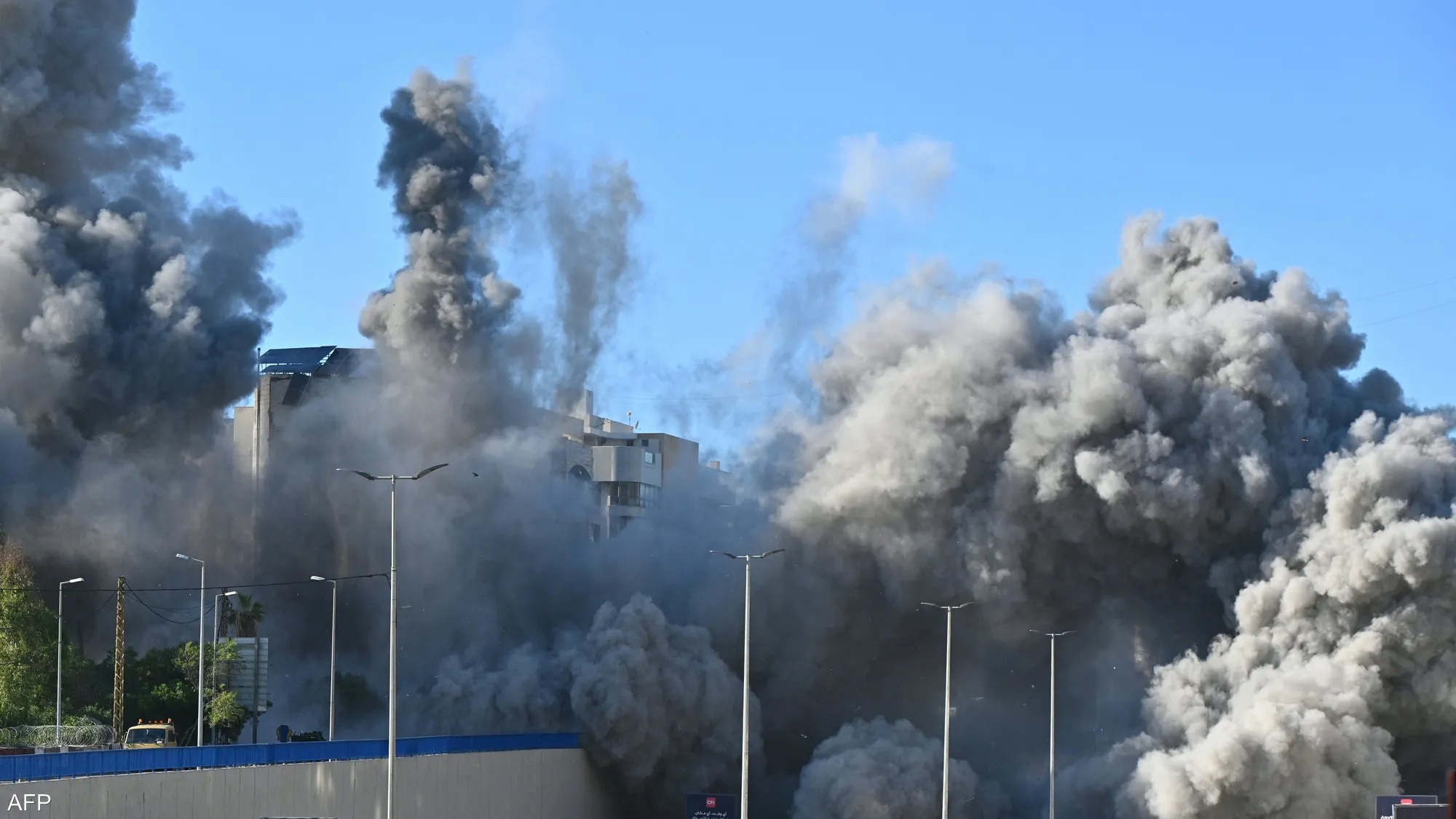
Tel Aviv (Diplomat.so) – The Israel Defense Forces intensified air and artillery strikes across southern Lebanon and Beirut's southern suburbs on Friday, targeting neighborhoods in Hadath, Sanayt Terz, and the Ameerican district, resulting in the destruction of multiple residential buildings.
According to the Lebanese Ministry of Health, the bombardment also extended to West Bekaa, hitting the towns of Suhmar and Machghara, where two civilians were killed and 15 others injured after a strike near a local mosque. The attacks mark a continuation of hostilities between Israel and Hezbollah, which escalated on March 2 following prior Israeli and U.S. operations against Iranian interests.
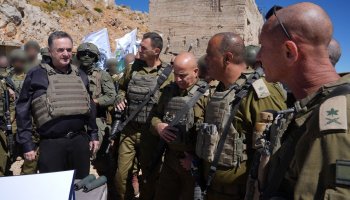
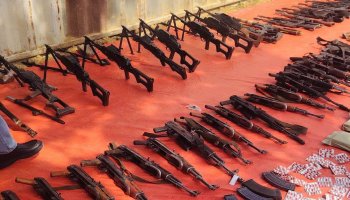
Israeli military spokesperson Colonel Yonatan Regev told "Our operations are focused on degrading Hezbollah’s capabilities. We are targeting strategic installations, including weapons storage and command centers, while minimizing civilian harm where possible.”
Widespread Impact Across Southern Lebanon
In southern Lebanon, artillery and airstrikes targeted towns including Al-Shahabiya, Al-Tiri, Kounine, Toulin, Mifdoun, Kfar Sir, Sarifa, and the city of Tyre. Eyewitnesses in Bent Jbeil reported heavy bombardment in central neighborhoods, including a strike on the Burj Qalaweh area that killed one civilian. Residents described panic and mass evacuations as sirens blared throughout the afternoon.
Antoine Boutros, a shopkeeper in Tyre, told Diplomat News Network, "We spent the morning running to shelters. The sound of explosions is constant, and people are afraid to leave their homes. Shops and streets are mostly empty.”
In West Bekaa, bridges in Suhmar and Machghara were destroyed, cutting off local roads and complicating humanitarian access. Civil defense teams reported significant structural damage and fires resulting from the strikes.
Hezbollah Responds With Rocket and Drone Attacks
Hezbollah confirmed that its forces conducted multiple retaliatory operations, including rocket fire targeting northern Israeli cities such as Nahariya, attacks on Israeli military positions in Avivim, and drone strikes on Kiryat Shmona. A Hezbollah field official, speaking on condition of anonymity, said, "Our operations are a direct response to Israeli aggression. We are defending Lebanese territory and civilians from indiscriminate strikes.”
Israel also reported that a Hezbollah rocket hit a UNIFIL position, wounding three peacekeepers. Israeli officials accused the group of continuing to fire rockets despite heavy losses. According to the IDF, over the past month, Israeli forces struck more than 3,500 targets across Lebanon, while Hezbollah claimed 1,309 operations, roughly half targeting Israeli territory.
Casualties and Civilian Displacement
Lebanese authorities emphasized the rising civilian toll from the conflict. Hospitals in Beirut and southern towns reported treating dozens of wounded residents, while local authorities coordinated emergency evacuations. Relief worker Mazen Karam told Diplomat News Network, "Families are seeking shelter in any available space — schools, public squares, and unfinished buildings. Many fear returning home while bombardment continues.”
Analysts observing the situation noted the significant strain on southern Lebanese communities. "The ongoing strikes are eroding local infrastructure and creating long-term humanitarian challenges,” said Joumana Fouad, a Beirut-based security analyst. "Even if fighting de-escalates, the reconstruction and displacement crises will last months, if not years.”
Strategic Implications
The conflict demonstrates both Israel’s operational aims and Hezbollah’s resilience. Israeli officials claim that around 1,000 Hezbollah members, including hundreds from the elite Radwan Force and senior commanders, have been killed in strikes over the past month. The IDF stated that Hezbollah still retains an estimated 8,000 to 10,000 rockets capable of continued attacks over the next one to two months.
The strikes on Beirut’s southern suburbs, combined with broader operations in southern and eastern Lebanon, suggest Israel is seeking to weaken Hezbollah’s logistical networks while exerting territorial pressure along the border. Analysts note that Hezbollah’s continued rocket and drone attacks illustrate its capacity to sustain asymmetric warfare despite high losses.
Lebanese political leaders have condemned the bombardment and called for an urgent ceasefire. Prime Minister Nawaf Salam urged the international community to intervene, stressing the need to protect civilians and preserve Lebanese sovereignty.
Escalation Shows No Sign of Immediate Resolution
As the conflict enters its second month, civilians in Beirut and southern Lebanon face escalating violence and humanitarian strain. Israeli strikes continue to target strategic and residential areas, while Hezbollah maintains retaliatory operations across northern Israel. Observers warn that without diplomatic intervention, the cycle of attacks and counterattacks is likely to continue, further destabilizing the region and deepening the humanitarian crisis.