Tel Aviv (Diplomat.so) – The Israel Defense Forces (IDF) announced on Wednesday, April 1, that it has conducted over 800 airstrike sorties and nearly 10,000 individual strikes against Iranian targets since the beginning of the war on February 28, 2026, targeting roughly 4,000 sites inside Iran and thousands more across multiple fronts.
In a statement released Wednesday, the IDF said intensive intelligence and operational planning under Operation Roaring Lion allowed forces to identify more than 5,000 new targets, including thousands of elements described as "terrorist infrastructure.” The campaign has deployed approximately 16,000 munitions of varying types. Brigadier General Amit Fisher, IDF spokesperson, told reporters in Tel Aviv, "Our forces remain focused on degrading Iran’s military and terror capabilities while seeking to minimize civilian casualties.”
Israeli Airstrikes Across Iran and Multi-Front Operations
Israeli military officials reported that airstrikes have targeted Tehran’s missile production sites, defense complexes, and other industrial installations. Eyewitnesses in northern Tehran described multiple explosions early Wednesday, with thick smoke rising above residential districts. "The ground trembled, and windows were shattered several blocks away,” said one local resident who spoke to Diplomat News Network on condition of anonymity. Another added, "Traffic was gridlocked as people rushed to evacuate the affected neighborhoods.”
The IDF emphasized that the campaign extended beyond Tehran, striking roughly 7,000 additional targets across multiple theaters. Analysts note that the sustained multi-front operations reflect a strategic effort to systematically undermine Iran’s military infrastructure and operational readiness. Setareh Majid, a regional security analyst, said, "The scale and coordination of these strikes indicate a shift from tactical operations to long-term disruption of Iran’s capabilities. This has regional and diplomatic implications.”
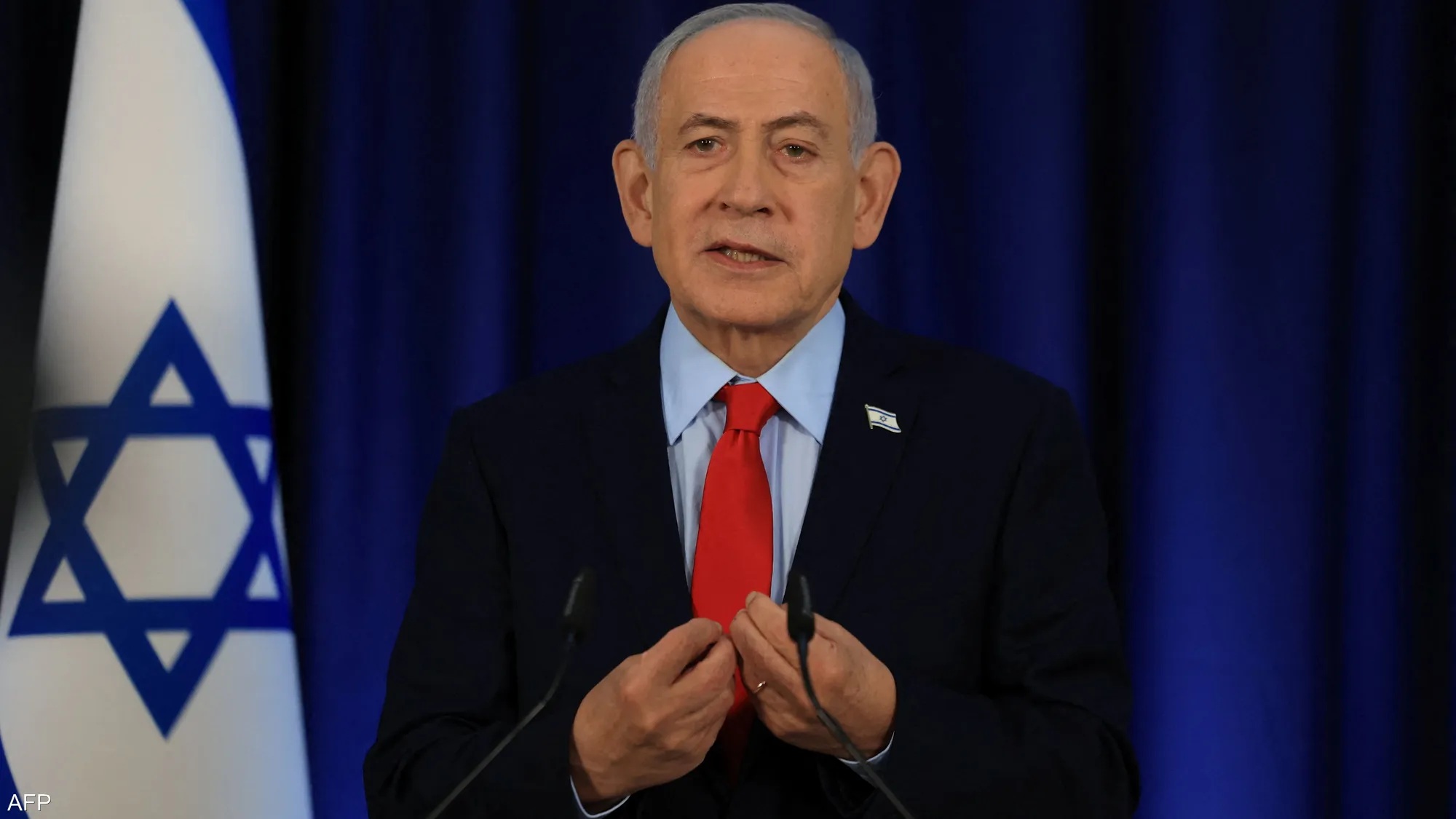
Israeli Prime Minister Benjamin Netanyahu reaffirmed on Tuesday that Israel would continue its campaign, describing its objective as "suppressing the terrorist regime in Iran,” and confirming that hostilities ongoing since February 28, remain active. Iranian President Masoud Bezhikian responded by asserting Tehran’s "will to end the war” while seeking guarantees against repeated aggression, highlighting ongoing diplomatic tension.
Possible Strike on Former U.S. Embassy and Civilian Impact
Reports suggest that one airstrike may have hit the former U.S. embassy compound in Tehran, under the control of the Iranian Revolutionary Guard Corps since the 1979 hostage crisis. The compound houses Basij units and an anti-American museum known as the "Spy Den,” along with additional modern facilities. Eyewitnesses observed broken windows throughout the large complex on Taleghani Street. Despite visible damage, no external missile debris was reported, leading locals to believe the impact occurred inside the compound.
Social media images showed dense smoke rising over northeastern Tehran. Additional strikes were reported in the Nobonyad district, home to a key defense industry complex, and explosions were noted in other parts of the sprawling city, which has a population exceeding 15 million. A resident near Nobonyad told Diplomat News Network, "We heard continuous explosions. People ran out of their homes, unsure where the next strike would hit.”
The repeated strikes have disrupted civilian life, causing temporary power outages, halted public transportation, and limited access to essential services. International humanitarian organizations have called for safe access to assess damage and provide aid, though ongoing operations continue to restrict mobility and oversight.
Analysts stress that targeting both military-industrial sites and regime-linked infrastructure represents a deliberate strategy to degrade Iran’s operational capacity. Setareh Majid said, "These strikes are not random; they aim to weaken command networks and disrupt logistical support. Civilian disruption is an unfortunate but unavoidable consequence of high-intensity conflict.”
IDF officials maintain that operations aim to minimize civilian casualties while achieving strategic objectives. Tehran residents are navigating life amid repeated airstrikes, infrastructure disruptions, and uncertainty. Both Israeli and Iranian leaders have reaffirmed military objectives, suggesting hostilities may persist in the near term without de-escalation.