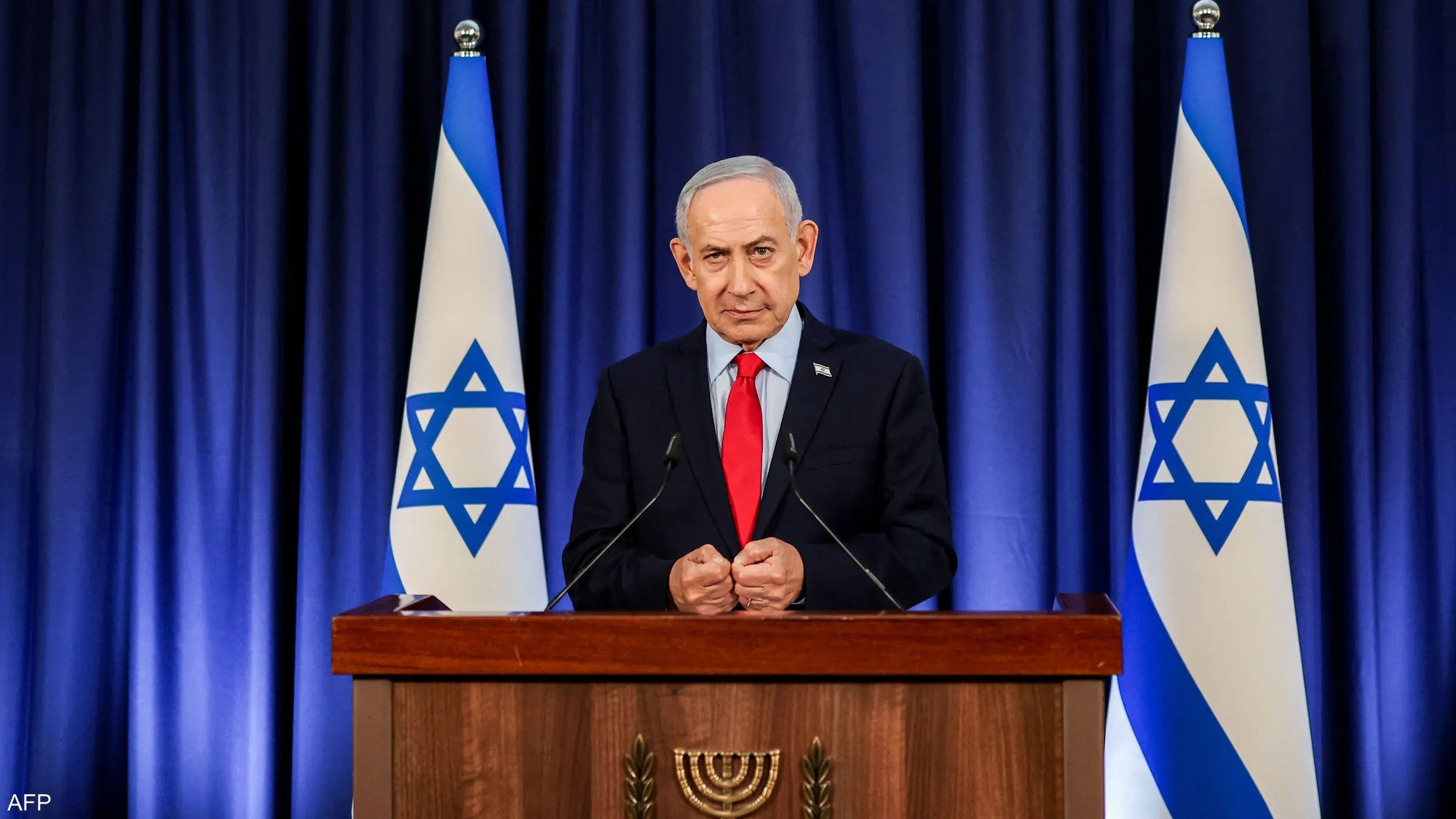
Tel Aviv (Diplomat.so) – Israeli Prime Minister Benjamin Netanyahu on Sunday, directed the Israel Defense Forces (IDF) to expand the existing buffer zone in southern Lebanon, intensifying military operations along the northern border.
Netanyahu, in a recorded statement, said, "In Lebanon, I have just ordered the army to expand the existing buffer zone further,” emphasizing the aim "to neutralize any attack risk definitively and prevent anti-tank missile launches on the border.” The announcement comes amid ongoing Israeli strikes targeting sites associated with Hezbollah, which Israel identifies as strategic military infrastructure.
The Israeli Broadcasting Corporation reported that Netanyahu convened a security assessment meeting with Defense Minister Yoav Katz and Chief of Staff Eyal Zamir to discuss enlarging ground operations in southern Lebanon. Katz previously stated on March 24 that the IDF intends to secure a "buffer zone extending to the Litani River,” targeting crossings and bridges allegedly used by Hezbollah to transport fighters and weapons.
Eyewitnesses in southern Lebanon described heightened aerial and artillery activity, with intermittent sirens warning civilians to evacuate certain areas. Local resident Saleh Mahmoud, speaking to Diplomat News Network, said, "We saw IDF drones and shelling near our village; people are frightened and uncertain about what will happen next.”
Analysts suggest Israel’s strategy seeks to push Hezbollah forces away from the immediate border, reducing the risk of rocket and missile attacks into northern Israel.
Historical context underscores that the Israel-Hezbollah border has been a persistent flashpoint since the 2006 Lebanon War, with intermittent clashes and security incidents. Israel has maintained buffer zones previously, but recent operational directives indicate a more assertive posture, aligning with ongoing regional security concerns.
The Israeli expansion initiative is further complicated by Lebanon’s domestic political and security challenges, including limited state control in border regions.
Observers note that the IDF’s current measures could have both tactical and strategic implications, potentially shaping northern Israel’s security landscape while influencing regional diplomatic dynamics. The expanded operations may alter Hezbollah’s deployment patterns and affect cross-border civilian movement, highlighting the complex interplay between military objectives and local humanitarian considerations.