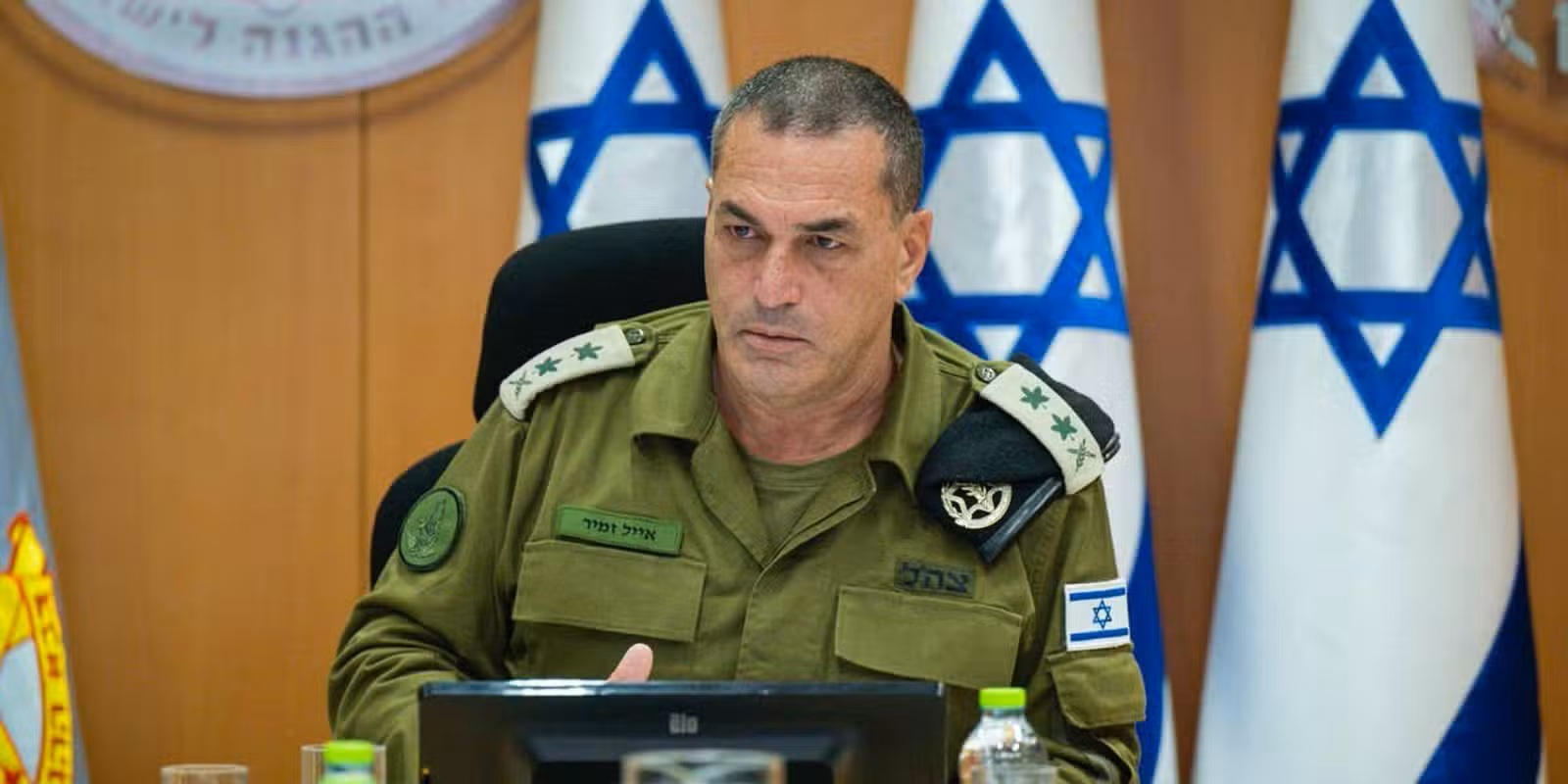
Tel Aviv (Diplomat.so) - Israel Defense Forces (IDF) Chief of Staff Eyal Zamir said on Saturday that the Israel Defense Forces will continue targeted operations against perceived regional threats, outlining an ongoing security strategy aimed at degrading adversarial capabilities across multiple fronts.
In remarks delivered during a public briefing, Israel Defense Forces Chief of Staff Eyal Zamir stated that the military is "working according to a structured plan” and has already carried out strikes in Iran, while maintaining readiness to reinforce defensive positions along Israel’s northern border. His comments come amid sustained regional tensions involving cross-border threats and reciprocal attacks.
Zamir described Hezbollah as a key proxy aligned with Iran, arguing that pressure on Tehran directly impacts the operational capacity of the Lebanese armed group. "The more we intensify strikes and weaken Iran, the more we weaken Hezbollah,” he said, emphasizing a strategy that links multiple theaters of operation.
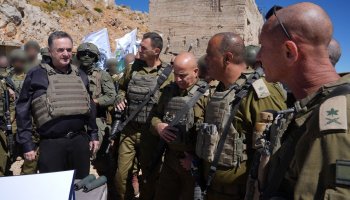
He added that Israeli forces are positioned to act as a protective barrier for civilian populations. "We are moving to neutralize this threat from our borders, and we will stand on the front lines as a buffer between civilian communities and any danger,” Zamir said. He further asserted that operations will continue until what he described as a durable security environment is achieved.
Military activity along Israel’s northern frontier has remained heightened in recent months, with periodic exchanges of fire reported across the Israel-Lebanon border. While no independent battlefield verification of Zamir’s specific operational claims was provided, his remarks reflect the IDF’s broader posture of maintaining deterrence through sustained, targeted operations.
Residents in northern Israel described a continued sense of alertness. "We hear warnings and updates frequently, and people are cautious about movement,” said one resident from a community near the border, speaking on condition of anonymity. Another local shop owner noted reduced evening activity, adding, "Business slows down when there is uncertainty, and people prefer to stay close to shelters.”
Security analysts say the evolving situation reflects a layered conflict dynamic involving state and non-state actors. "The linkage between Iran and Hezbollah is central to understanding the strategic calculus,” said a regional security researcher based in the Middle East. "Actions taken in one arena can have immediate consequences in another, especially along the northern border.”
The broader context includes long-standing tensions between Israel and Hezbollah, which have been marked by periodic escalations since the early 2000s, alongside indirect confrontations involving Iran. Israel’s defense doctrine has increasingly emphasized proactive measures aimed at preventing the establishment or expansion of hostile capabilities near its borders.
The latest remarks by Zamir underscore a continued reliance on preemptive and defensive operations as part of Israel’s security framework. The emphasis on sustained pressure, combined with readiness along multiple fronts, indicates that military planners are preparing for a prolonged period of regional instability rather than short-term containment.