New Delhi (Diplomat.so) - A senior officer aboard an Indian liquefied petroleum gas tanker reported that the Iranian Navy escorted the vessel through the Strait of Hormuz in early March, guiding it along a designated route following diplomatic communication between India and Iran while conducting verification procedures at sea.
The officer, who requested anonymity due to restrictions on crew communication with media, described a coordinated passage in which Iranian naval personnel maintained radio contact with the tanker, requesting detailed identification and operational information before allowing transit. He said the vessel was asked to provide its flag state, name, ports of departure and destination, and confirmation of the crew’s nationality, all of whom were Indian nationals.
During the transit, the tanker temporarily switched off its automatic identification system (AIS) and encountered disruptions to global positioning signals attributed to electronic interference in the region. These factors, the officer said, contributed to a slower passage and required the crew to rely on alternative navigation procedures. Preparations for contingency scenarios were also carried out prior to entering the strait, including readiness of lifeboats and safety equipment.
Martin Kelly, head of advisory at EOS Risk, a maritime risk consultancy, said the reported procedure reflects a broader pattern of selective control over maritime movement in the area. "Iran allows certain vessels to pass after verification while they are within its waters,” he said, noting that such arrangements are consistent with Tehran’s strategic approach to managing traffic through the waterway.
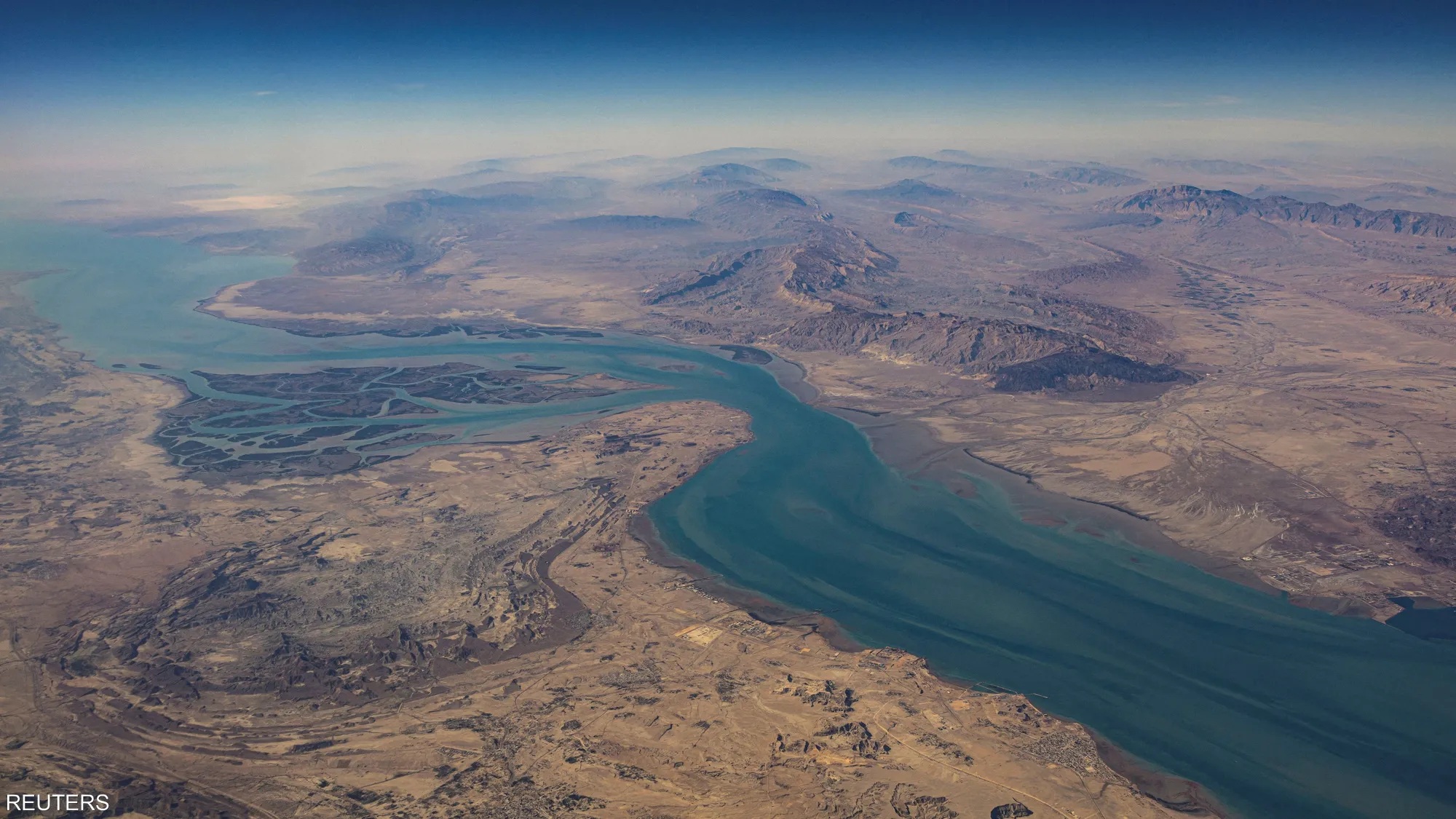
The Strait of Hormuz remains one of the world’s most critical maritime chokepoints, with an estimated one-fifth of global oil flows passing through its narrow corridor. The presence of naval assets on both sides of the passage highlights the strategic sensitivity of the route, where commercial shipping often intersects with national security considerations.
On the outbound side of the strait, Indian naval vessels were reportedly positioned to escort the tanker after it cleared Iranian-controlled waters. Observations from the voyage indicate that the operation involved coordination across multiple actors, with maritime signaling and identification measures playing a central role in the vessel’s passage. The tanker later continued its journey toward India under escort.
The development comes against a backdrop of heightened maritime security concerns in the region, including reports of attacks on commercial vessels involving missiles and unmanned aerial systems in recent months. Such incidents have contributed to increased insurance premiums and operational caution among shipping companies, while also prompting greater reliance on naval protection and route verification.
Analysts note that controlled escort and verification practices may indicate an evolving approach to maritime governance in the strait, where authorities manage vessel movements through conditional clearance procedures. This dynamic reflects the interplay between security enforcement, diplomatic engagement, and the operational requirements of international shipping.
The reported transit underscores the continued importance of the Strait of Hormuz as a vital global energy corridor, where navigation conditions, security protocols, and geopolitical factors collectively influence the movement of commercial vessels.