Harare (Diplomat.so) - Polite Kambamura, Zimbabwe's Minister of Mines and Mining Development, announced on Wednesday that the government has imposed an immediate freeze on exports of raw minerals and lithium concentrate, accelerating a policy designed to force greater domestic processing of strategic resources used in electric vehicle batteries and defence technologies.
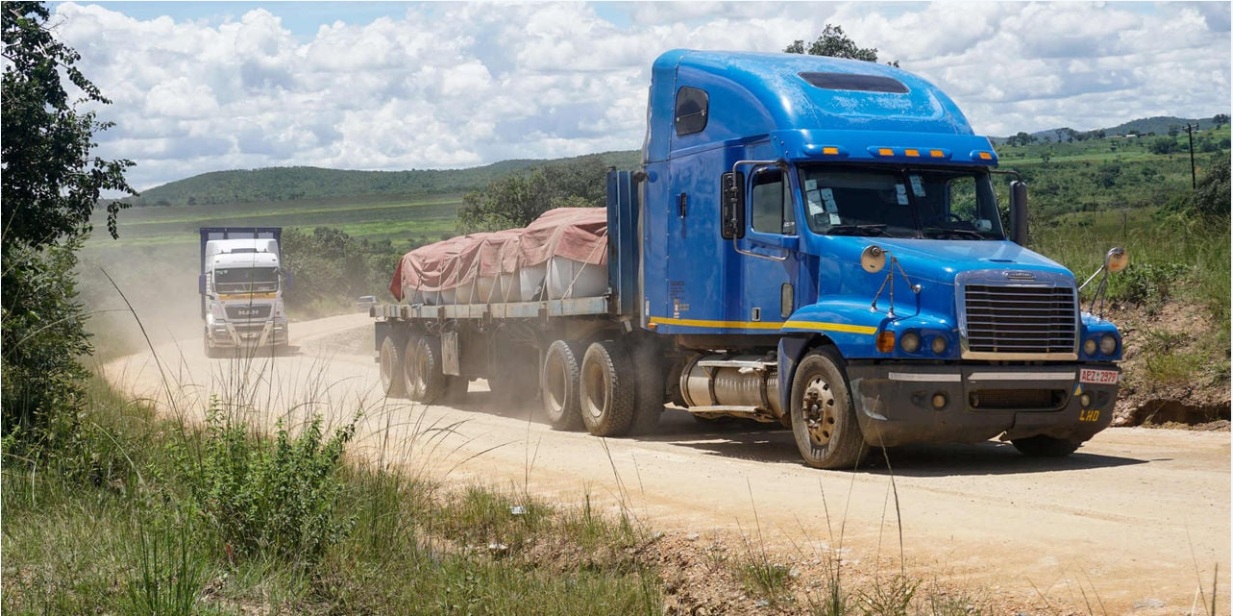
According to the Ministry of Mines and Mining Development, the suspension takes effect immediately, applies to all unprocessed mineral shipments — including cargo already in transit — and will remain in place until further notice. Kambamura said the decision was taken "in the national interest” and indicated that authorities would soon engage mining companies on revised compliance expectations and implementation details.
The move advances a previously scheduled ban on lithium concentrate exports set for January 2027, a deadline intended to give producers time to invest in local refining facilities. By acting ahead of that timeline, the government is signaling urgency in its push for beneficiation — the in-country upgrading of minerals before export to capture higher economic returns.
Zimbabwe holds Africa’s largest lithium reserves and has expanded production sharply in recent years. Most of its spodumene concentrate is exported to China for conversion into battery-grade lithium chemicals used in electric vehicles and grid-scale storage systems. Analysts say the immediate freeze could prompt mining firms to accelerate capital spending on domestic processing infrastructure, while also creating short-term uncertainty over export earnings.
The policy reflects intensifying global competition for critical minerals as governments seek to secure supply chains amid geopolitical tensions. Mining contributes 14.3% of Zimbabwe’s gross domestic product, according to the World Bank, and is a key source of foreign currency. Economists note that the long-term success of the measure will depend on regulatory clarity and the pace of infrastructure development.