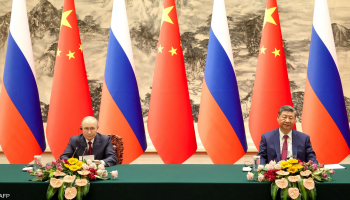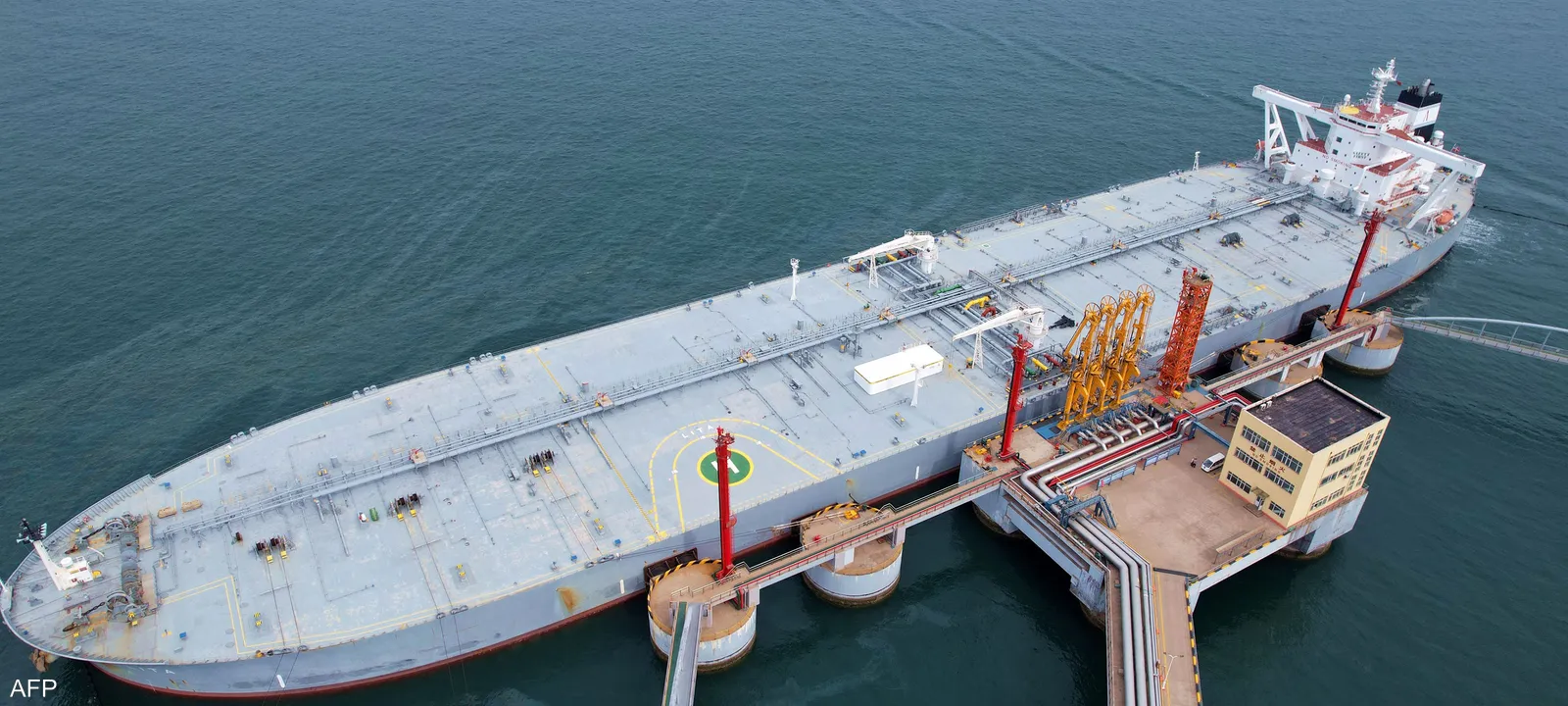
Moscow (Diplomat.so) - China's General Administration of Customs reported Thursday, August 20, that Russia strengthened its position as China's largest crude oil supplier during July despite sharply lower overall imports.
Russian crude deliveries reached 9.15 million metric tons during the month, equivalent to about 2.16 million barrels per day, according to customs figures. The volume increased 5% from July 2025 and 10% from June, underscoring Beijing’s growing reliance on Russian supplies as Middle Eastern shipments faced disruption.
The increase came despite a 24.3% year-on-year decline in China’s total crude imports, which fell to approximately 8.41 million barrels per day in July. The figures indicate that Chinese refiners redistributed purchases among suppliers rather than maintaining previous sourcing patterns as international shipping conditions changed.
China also recorded a sharp increase in crude imports attributed to Indonesia. Shipments reached 3.15 million tons, or roughly 740,000 barrels per day, an increase of 51.8% from a year earlier. The volume marks a substantial shift from 2024, when China imported only about 100,000 tons of Indonesian crude during the entire year.
The Indonesian figures require additional context because oil-market tracking has previously identified tanker-to-tanker transfers involving sanctioned Iranian crude near Malaysia. Such movements can complicate assessments of a cargo’s original source. Chinese customs recorded no direct Iranian crude imports in July, although independent tanker-tracking estimates have continued to identify Iranian barrels moving toward China through indirect trading channels.
At the same time, recorded imports from Malaysia, an important regional oil transshipment hub, fell 64.3% year-on-year to 1.51 million tons, equivalent to about 350,000 barrels per day.
Brazil emerged as another significant beneficiary of China’s changing purchasing pattern. Chinese imports of Brazilian crude rose 31.9% from a year earlier to 4.98 million tons, or approximately 1.17 million barrels per day.
The figures reviewed by Diplomat News Network show that the combination of higher Russian and Brazilian volumes has helped Chinese refiners compensate for reduced availability from parts of the Middle East. The changes also highlight how supply disruptions can rapidly alter trade routes among the world’s major oil producers and consumers.
China recorded no crude imports from the United States or Venezuela during July, according to the customs figures.
For Beijing, diversifying supply sources provides greater flexibility during disruptions affecting major maritime energy corridors. Russia’s increased share, alongside stronger Brazilian shipments and unusual Indonesian volumes, illustrates how China’s refiners are adjusting procurement as geopolitical and shipping risks reshape global crude flows.