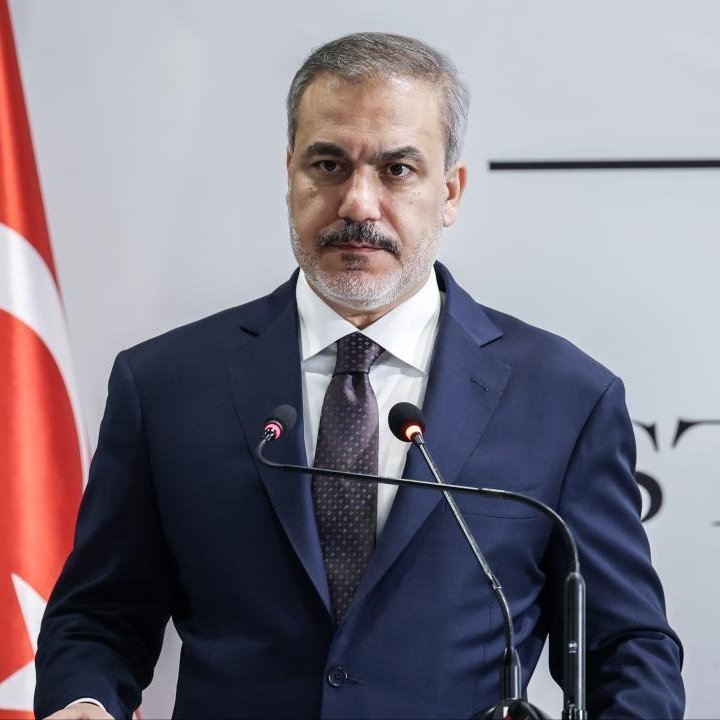
Ankara (Diplomat.so) - Hakan Fidan, Türkiye's Foreign Minister, said on Saturday that a ceasefire in the Iran conflict could be announced soon following a series of regional consultations across Saudi Arabia, Qatar, and United Arab Emirates, indicating that any pause in fighting may serve as a short window for negotiations before potential escalation resumes.
Speaking after his diplomatic tour, Fidan outlined that discussions among regional stakeholders have increasingly centered on the possibility of a temporary halt in hostilities to enable negotiations. "We must take into account the possibility of announcing a short-term ceasefire and starting negotiations during this period,” he said, noting that unresolved talks could lead to a return to conflict.
He also referenced assessments shared by Gulf countries regarding the expected duration of the war, stating that several governments anticipate continued fighting for several weeks.
According to Fidan, regional actors have expressed concern over ongoing strikes attributed to Iran and have begun considering countermeasures should the situation persist. "Gulf countries expect the war to continue for another two or three weeks,” he said, adding that such developments are prompting heightened security precautions.
Fidan emphasized the central role of the United States in influencing the course of the conflict, while suggesting that differences in approach between Washington and Israel could affect diplomatic efforts. He noted that shifts in alignment between these actors may either facilitate or hinder progress toward a ceasefire, depending on how their positions evolve in the coming period.
On-the-ground observations from regional discussions indicate a heightened sense of urgency among Gulf officials, who have been coordinating responses amid concerns about the protection of infrastructure, airspace, and civilian areas. In Riyadh, recent meetings reportedly brought together representatives from multiple regional governments seeking to assess shared security risks and explore coordinated diplomatic pathways.
A regional official familiar with the discussions, speaking on condition of attribution, described the talks as "focused on preventing further escalation and maintaining stability across critical economic and energy corridors.” A Gulf-based analyst, also cited in regional briefings, noted that "the longer the conflict continues, the greater the pressure on neighboring states to adopt defensive and preventive measures.”
Fidan added that Türkiye continues to engage in diplomatic outreach aimed at de-escalation, stressing that sustained conflict could widen instability beyond the immediate theater of war. He warned that prolonged hostilities may reduce the likelihood of negotiations, particularly if parties prioritize military outcomes over diplomatic compromise.
Contextually, the conflict has drawn increasing regional involvement due to its impact on energy routes, trade flows, and broader security dynamics across the Middle East. Gulf states have repeatedly stated they are not parties to the conflict and have cautioned against the use of their territory or infrastructure in military operations, while simultaneously preparing contingency responses.
The evolving diplomatic posture suggests that any prospective ceasefire would depend on alignment among key international actors and their willingness to support a negotiated pause. Continued divergences among major powers, combined with ongoing military activity, present structural obstacles to immediate resolution.