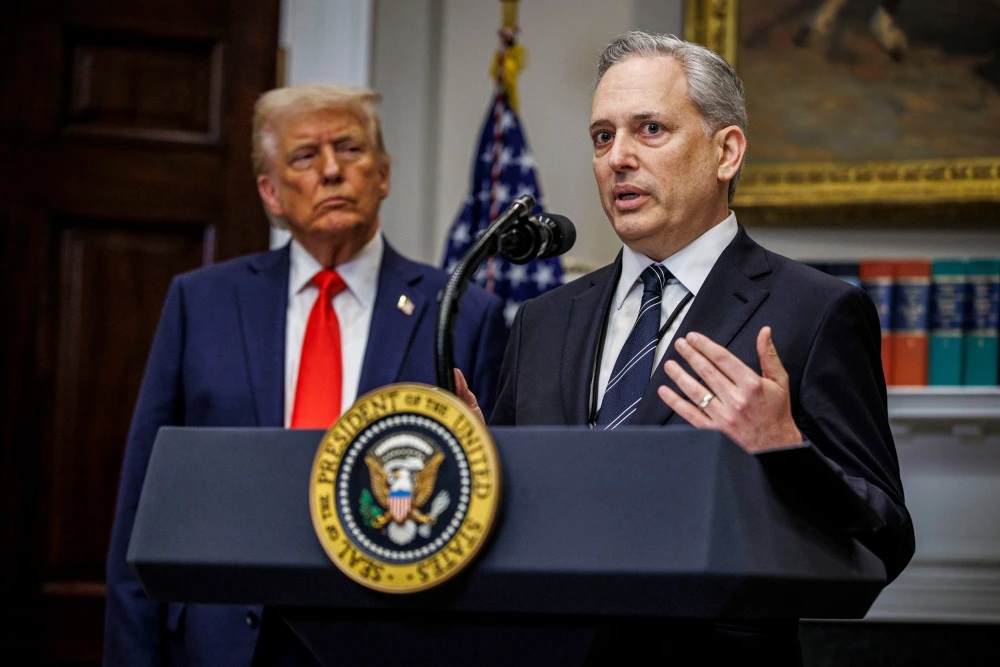
Washington, D.C. (Diplomat.so) - David Sacks, a senior adviser to President Donald Trump on artificial intelligence and digital currencies, publicly called for a U.S. withdrawal from military operations against Iran, highlighting internal dissent within the administration over the ongoing conflict. Speaking on the All-In podcast, Sacks described the timing as "ripe to declare victory and withdraw," noting that such a move aligns with market expectations.
Sacks, a venture capitalist influential in shaping Trump AI policy, made the remarks shortly after Trump stated earlier this month that U.S. engagement in Iran could continue "forever.” Sacks cautioned that additional strikes on Iran’s energy infrastructure could escalate the war, potentially triggering wider regional instability or a nuclear confrontation.
"There is a current within the Republican Party, mostly but not exclusively, pushing for escalation,” Sacks said. "Targeting more Iranian energy sites risks retaliation that could have far worse consequences across the region.”
In Washington, the adviser’s comments have drawn attention from both policymakers and local analysts. Miriam Farah, a foreign policy researcher, noted, "Sacks’ stance exposes the tension between President Trump’s aggressive rhetoric and the practical challenges of sustaining a prolonged conflict. It’s a signal of the debates happening behind closed doors.”
Sacks also highlighted Israel as a potential flashpoint if the war continues, warning that prolonged conflict could overwhelm the country’s air defenses. "If this war continues for weeks or months, Israel could face severe damage, raising fears of unprecedented escalation, including nuclear options,” he said.
The remarks follow Trump’s statement on Friday that U.S. forces had neutralized all military targets on Kharg Island, a key hub for Iranian oil exports, but chose not to destroy oil infrastructure for humanitarian reasons. Trump added that any attempt by Iran to disrupt maritime traffic through the Strait of Hormuz would prompt immediate retaliation.
Analysts say Sacks’ intervention signals growing pressure within the administration to limit escalation while balancing domestic political considerations. For regional actors and global markets, the adviser’s stance points to a potential recalibration of U.S. strategy that could influence energy security, diplomatic alignments, and the broader Middle East security environment.