Washington (Reuters + Diplomat.so) - Global investors are facing heightened geopolitical risk after the United States captured Venezuelan President Nicolas Maduro, a move that could eventually unlock the country's oil reserves but may prompt short-term market volatility. Maduro, whom the U.S. has long accused of running a "narco-state" and manipulating elections, was held in a New York detention center on Sunday awaiting formal charges.
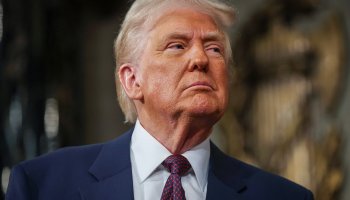
President Donald Trump announced that the U.S. would take control of Venezuela, marking the most direct American intervention in Latin America since the 1989 invasion of Panama. Economists say the event underscores the ongoing influence of geopolitical tensions on global markets. "Markets are coping with significantly more headline risk than they experienced under previous U.S. administrations," said Marchel Alexandrovich, an economist at Saltmarsh Economics.
Markets opened 2026 on a strong footing, with Wall Street indexes in the green and the dollar rising against major currencies. Former PIMCO chief Mohamed El-Erian noted that the financial reaction to Maduro’s capture remains uncertain, predicting possible short-term fluctuations in oil and gold prices.
Trump indicated that American oil companies are ready to invest billions to restore Venezuela’s crude output, which has fallen sharply due to mismanagement and nationalization over the past decades. Analysts cautioned that boosting production will take years and could be complicated by infrastructure issues, security concerns, and questions over the legality and political consequences of U.S. actions.
"From an investing perspective, this could unlock massive oil reserves over time," said Brian Jacobsen of Annex Wealth Management. "Markets may initially move into risk-off mode but could rotate to risk-on as the situation develops." Gulf markets closed lower on Sunday, reflecting both oil price fluctuations and geopolitical concerns.
Strategists also warned that the U.S. move could influence global defense spending and the role of the dollar as a safe haven. Stephen Dover of Franklin Templeton said the unilateral use of force highlights potential challenges to international institutional stability, adding uncertainty to long-term investment and policy decisions.