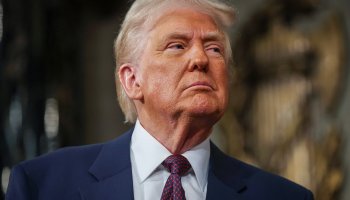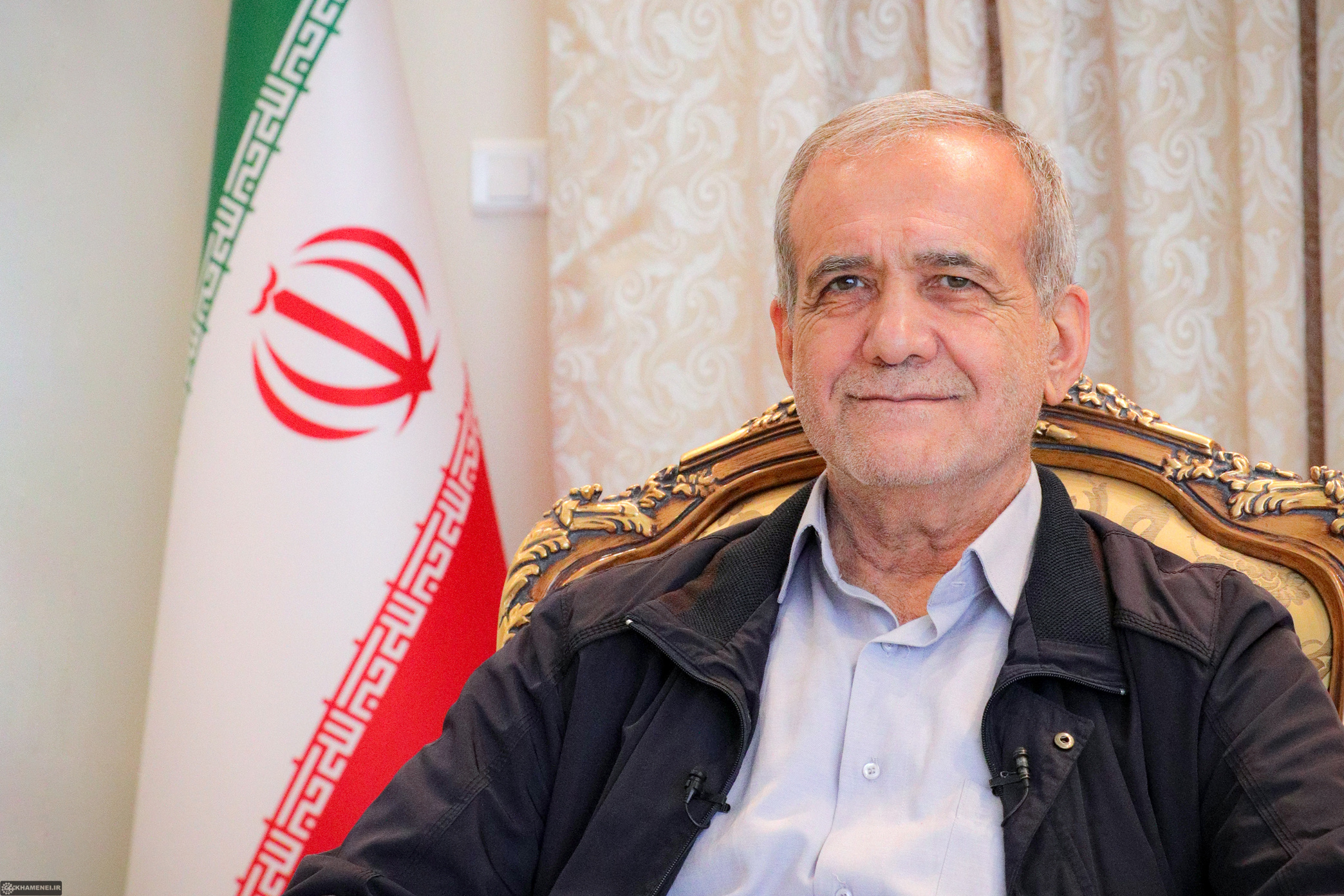
Tehran (Diplomat.so) – Iranian government, through President Masoud Pezeshkian on Sunday, rejected a 48-hour ultimatum issued by US President Donald Trump, warning of a firm and decisive response to what it described as hasty statements and reckless threats over the Strait of Hormuz.
In a post shared on social media platform X, Pezeshkian criticized Trump’s remarks, stating that repeated rhetoric against Iran reflects desperation rather than strategic strength. He argued that threats directed at the Islamic Republic would not pressure the country into compliance but instead strengthen internal cohesion.
"Threat and terror will further unify the Iranian people,” Pezeshkian said, adding that Iran’s sovereignty and national will cannot be undermined by external pressure.
The remarks came after Trump warned that Iran had 48 hours to ensure the Strait of Hormuz remained open to international shipping, threatening strikes on critical infrastructure, including power plants, if the demand was not met. The Strait is one of the world’s most vital energy corridors, through which a significant portion of global oil shipments passes.
Iranian Vice President Mohammad-Reza Aref also condemned the warning, describing it as escalatory and affirming that the Islamic Republic would take decisive measures to defend its territory and population.
On the security front, the Islamic Revolutionary Guard Corps (IRGC) issued a statement through its Khatam al-Anbiya Central Headquarters spokesperson, Lieutenant Colonel Ebrahim Zolfaghari, warning that any attack on Iranian energy infrastructure would trigger immediate retaliatory action.
Zolfaghari stated that Iran’s response framework includes targeting regional energy and industrial infrastructure linked to hostile actors. He also reiterated that passage through the Strait of Hormuz remains open under conditions aligned with Iran’s national security interests, while access could be restricted for entities deemed adversarial.
The dispute underscores longstanding tensions between Tehran and Washington, particularly over maritime security and regional influence. The Strait of Hormuz has historically been a focal point in geopolitical standoffs, with previous confrontations raising global concerns over potential disruptions to energy markets.
Analysts note that any disruption in the strait could have immediate implications for global oil prices and maritime logistics, affecting both regional economies and international supply chains. Diplomatic observers, including commentary shared by Diplomat News Network, have emphasized that escalation risks could extend beyond bilateral tensions, potentially involving multiple regional actors with vested security and economic interests.