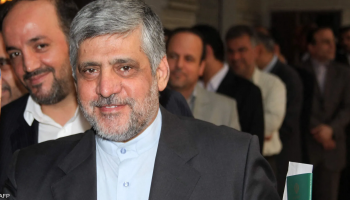
Tel Aviv (Diplomat.so) - Israel's Ministry of Defence announced Thursday that its military conducted coordinated airstrikes across Iran, including the targeted killing of Rear Admiral Alireza Tangsiri, commander of the Islamic Revolutionary Guard Corps Navy (IRGC‑Navy), in Bandar Abbas overnight Wednesday, while simultaneously striking weapons production facilities in central and northern Iran.
Israeli Prime Minister Benjamin Netanyahu said the operations underscore Israel’s commitment to degrade Iranian military capabilities. "Last night, Israeli forces eliminated the commander of Iran’s Revolutionary Guard naval forces, a man whose hands are stained with blood and who oversaw operations including the closure of the Strait of Hormuz,” Netanyahu said. "These coordinated strikes reflect the close cooperation between Israel and the United States in achieving our shared objectives.”
Israeli Defence Minister Israel Katz confirmed in a recorded statement that Tangsiri was targeted during a meeting with senior IRGC naval officers in Bandar Abbas. "In a decisive and precise operation, the IDF eliminated Rear Admiral Alireza Tangsiri along with other senior naval leadership figures,” Katz said. "This is a clear message: Israel will pursue and neutralize threats one by one.”
Eyewitnesses in Bandar Abbas described multiple explosions before dawn and plumes of smoke rising from near the naval command area. "We felt the shock from our home and saw thick smoke over the base,” said a local resident, speaking on condition of anonymity. "People rushed outside; there was fear and confusion throughout the city.”
In parallel, the Israeli army said it carried out widespread strikes on facilities in Isfahan, Tehran, and other central Iranian regions, targeting infrastructure linked to missile development, weapons production, and the IRGC’s Quds Force. Israeli statements indicated that more than 60 fighter jets dropped over 150 bombs across multiple locations, including facilities producing ballistic missile components, warheads, and air defense systems.
Early Thursday, sirens sounded in central Israel, Jerusalem, and parts of the West Bank as Israeli air defenses intercepted projectiles reportedly launched from Iran. Defence officials said defensive measures successfully engaged threats over a period exceeding 14 hours, reflecting the tense and ongoing nature of the conflict.
Analysts highlight that the combination of targeted killings and large-scale airstrikes represents both a tactical and strategic effort to disrupt Iran’s military command and production capabilities. "Removing a senior commander like Tangsiri while simultaneously striking weapons sites across the country sends a clear message to Tehran and its regional affiliates,” said Yael Levi, Middle East security expert, speaking to Diplomat News Network.
Local observers in Gulf port cities expressed concerns about potential retaliatory attacks. "The situation feels fragile; everyone is anxious about possible escalation,” said a fisherman in Bandar Abbas. Experts note that the strikes could impact regional maritime routes, energy markets, and ongoing international diplomatic efforts to de-escalate tensions.
The simultaneous operations indicate an intensifying Israel-Iran conflict, marked by high-precision targeted killings and strategic strikes on military infrastructure, which may shape regional security dynamics and influence diplomatic channels in the coming weeks.